The new textile policy announced by the Government recently talks of a fixed term employment, fixed for a finite period, like two years at the outside. Such a fixed term employment covers all categories of workers, temporary, contract or any other kind. This legislation for the labour-intensive textile industry has features which other sectors will want to adopt and marks the first change in labour legislation.
However, trade unions have often been criticised that despite being a minuscule number in the enormous labour pool, the unorganised sector being several times larger, yet they want to keep the latter from reaping any benefits or extending some statutory protection. All employers are not necessarily exploitative, they are after all in business to make money; legislation ensures some protection for the labour not covered by trade unions with their negotiated wage hikes every three years.
Meanwhile, the concept of a fixed term employment which the textile policy mentions, takes into account the seasonality of business. Labour is thus protected with a guaranteed job for an upfront fixed term and so is the employer since wages are paid at rates comparable to permanent employees but only for the duration of the fixed term.

- 1
- 2
- 3
- 4
- 5
- 6
- 7
- 8
- 9
- 10
India’s apparel exporters face a new US tariff risk as margins shrink
The enactment of the Lindsey O. Graham sanctioning Russia and Iran Act of 2026 in Washington has introduced a fresh... Read more
Cellulosics challenge polyester dominance in global fibre market
The global textile raw-materials market has entered a phase where plant-based and regenerated cellulosic fibres have gain ground against fossil-fuel-derived... Read more
From cotton to MMF cost equation is rewriting global textile trade
The global textile and apparel trade has grown from $560 billion in 2006 to $914 billion in 2025, reveals the... Read more
Polyethylene stretch yarn challenges elastane’s hold on activewear
The global activewear, denim and intimate apparel markets have built a substantial business around stretch. But the same fibre combinations... Read more
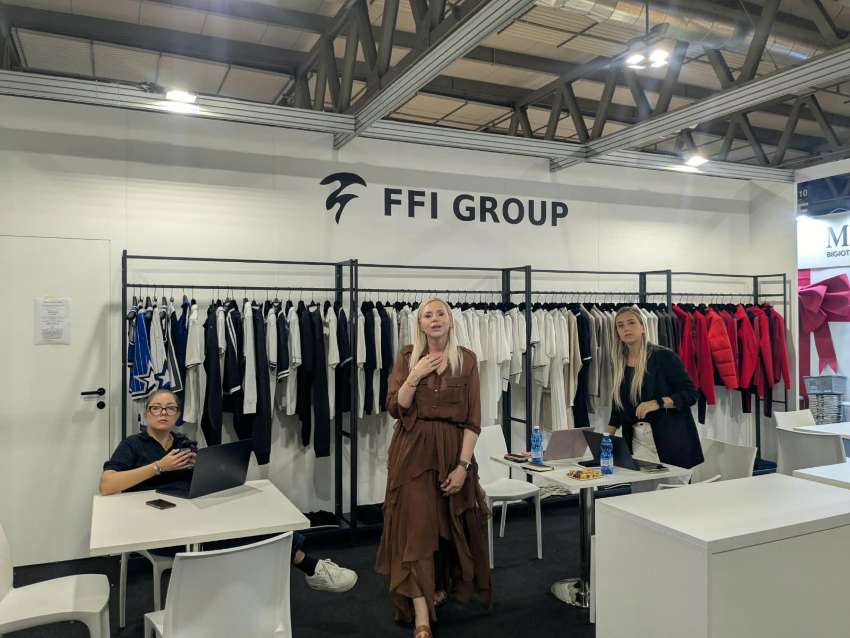
Automation Meets Italian Design: FFI Srl unveils ‘Next-Gen Robotics’ to help bra…
At the recently concluded autumn edition of Ready to Show inside Hall 10 at Fiera Milano-Rho—staged alongside the Milano Fashion... Read more
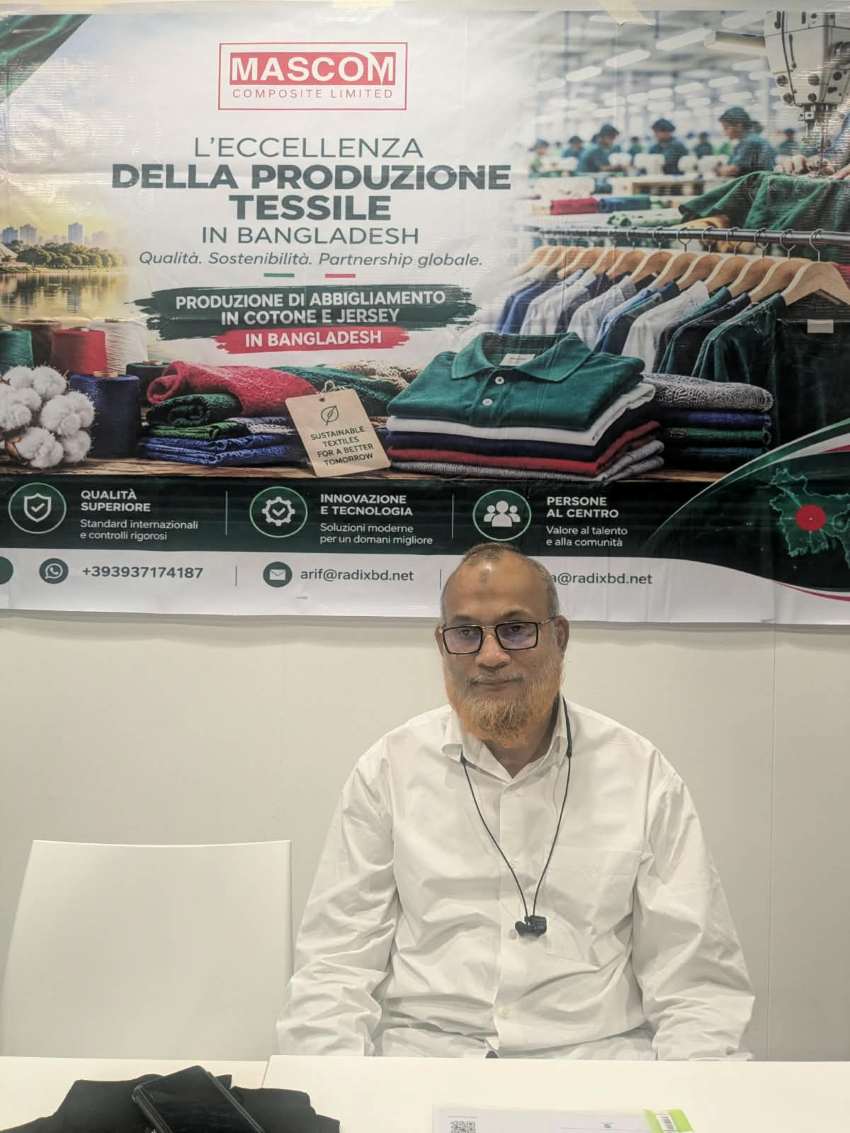
From Dhaka to Milan: Mascom Composite backs Southern Europe’s sports and lifesty…
While the trade floor of Ready to Show Milano inside Hall 10 at Fiera Milano-Rho placed a heavy spotlight on... Read more
How surging silver prices are reshaping ‘Mid-Tier’ fashion jewellery
Escalating global bullion volatility and raw material pricing pressures are forcing a fundamental reassessment across the mid-tier fashion jewellery trade.... Read more
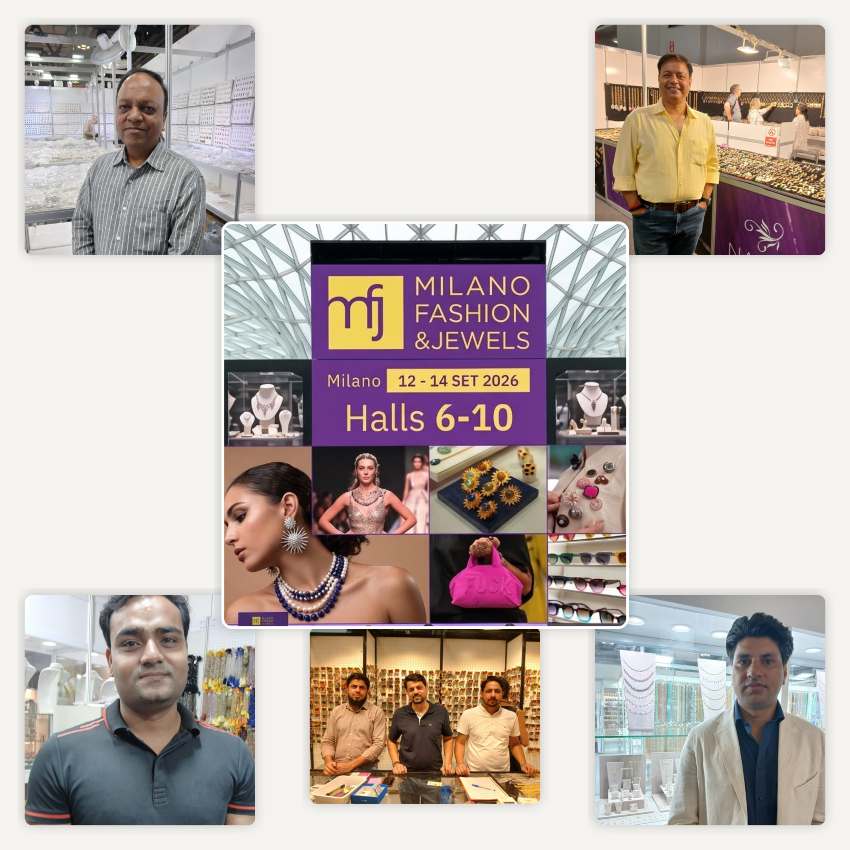
Milano Fashion & Jewels: How ‘Re-Engineered’ heritage crafts are driving hig…
A counter-movement against industrial uniformity is reshaping European bijouterie, transforming authentic craftsmanship into a powerful lever for high-margin boutique growth.... Read more
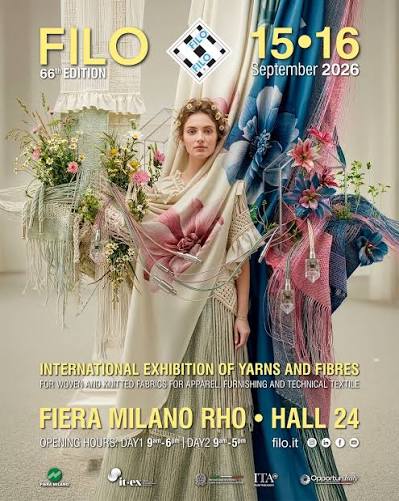
Filo 66: Upstream Realism, Bio-Synthesis, and Cross-Border Alliances anchor Euro…
Navigating macroeconomic uncertainty, persistent raw material volatility, and fragile consumer sentiment, the 66th edition of Filo (September 15–16, 2026, at... Read more
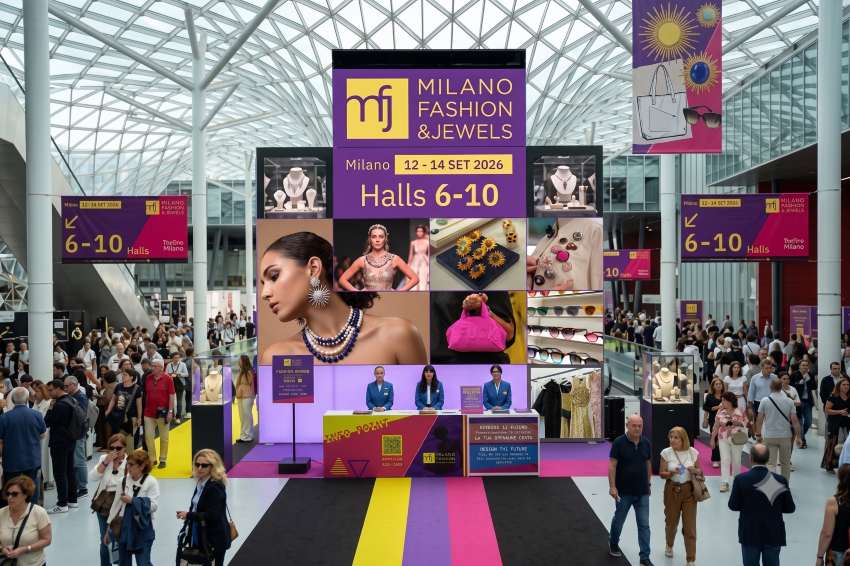
The "Total Look" Retail Revolution: The integration of jewellery, acce…
The conventional boundaries separating fashion jewellery, ready-to-wear and leather goods, have collapsed on the international retail floor. At the September... Read more