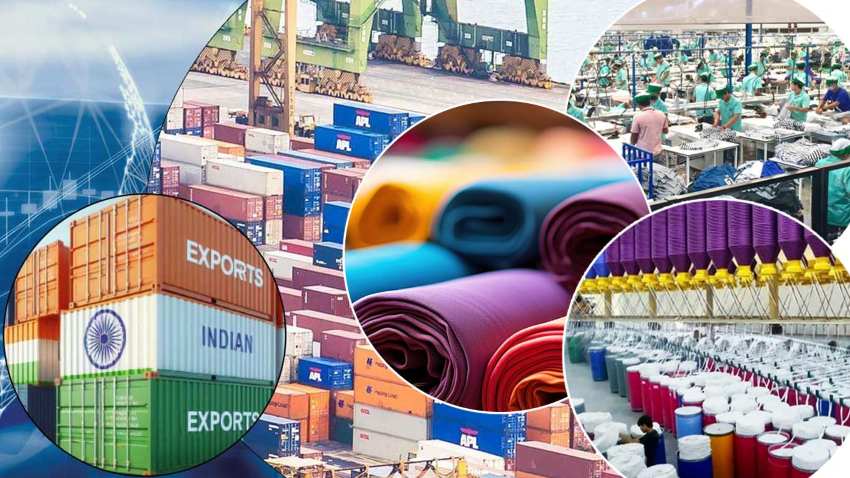
As activewear and lingerie brands reassess their dependence on concentrated manufacturing bases in China and Vietnam sourcing patterns are changing across the world. Rising wages, tariff uncertainty, geopolitical risk and capacity constraints are pushing buyers to diversify production. India, traditionally identified with cotton-led apparel manufacturing, is emerging as a destination for higher-value synthetic garments, including sports bras, leggings, seamless underwear and technical performance wear.
The shift is significant because it is more than a relocation of basic garment orders. Brands are beginning to place technically demanding, margin-sensitive categories in India, signalling greater confidence in its synthetic textile capabilities, manufacturing flexibility and ability to support smaller production runs.
Cost is no longer just labour
India's advantage is based on total sourcing rather than wage costs alone. Factory labour in India is estimated at $2-$4 an hour, broadly comparable with Vietnam's $2.50-$4 range and below China's $5-$8. However, the more important differentiator is production flexibility. Indian manufacturers can frequently accommodate minimum orders of 50-500 units per style, compared to around 300-3,000 units in Vietnam and 1,000-5,000 or more in China. For activewear and lingerie brands operating through product drops, rapid testing and tightly controlled inventories, lower minimum order quantities reduce the financial risk of launching new designs.
Table: Landed-cost matrix and sourcing arbitrage
|
Country |
Avg. factory labor ($/hr) |
Typical MOQ (units) |
Synthetic raw material access |
Import tariff exposure (US/EU market) |
Lead time to port |
|
China |
$5-8 |
1,000-5,000+ |
Fully Integrated / Domestic |
High (Section 301/Duties) |
20-45 Days |
|
Vietnam |
$2.50- 4 |
300- 3,000 |
Heavily Imported (from China) |
Favorable (EVFTA / CPTPP) |
30-60 Days |
|
India |
$2-$4 |
50-500 |
Rapidly Scaling / Expanding MMF |
Moderate (FTAs Under Negotiation) |
30-60 Days |
This production flexibility is becoming valuable as brands move away from large seasonal commitments and toward shorter, data-led inventory cycles.
Synthetic gap narrows
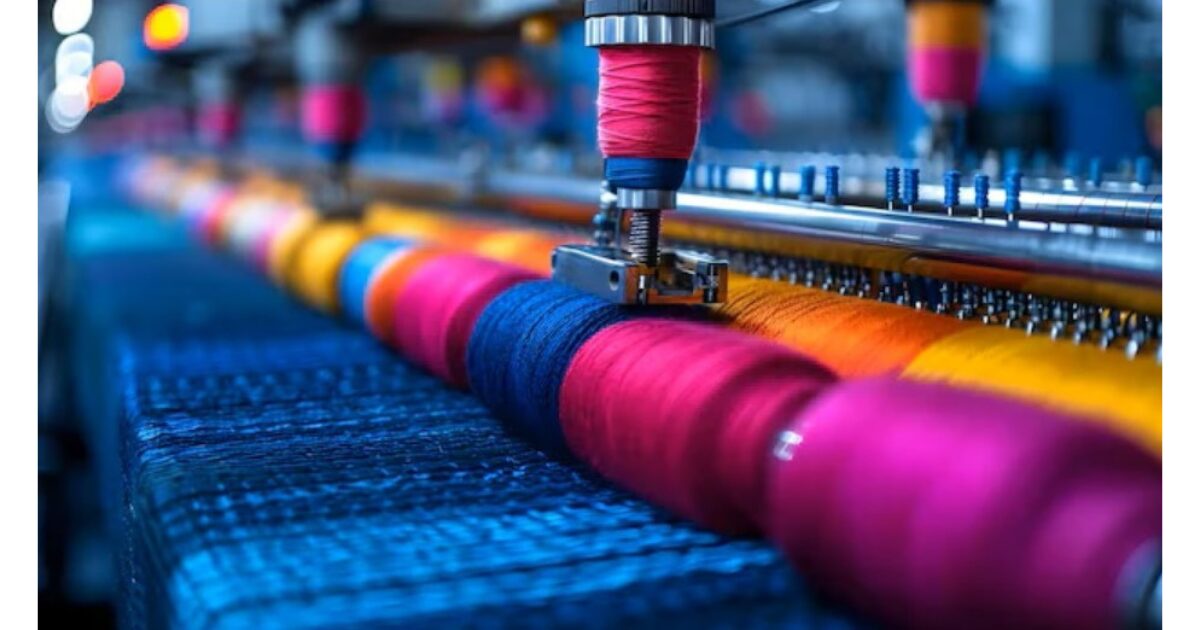
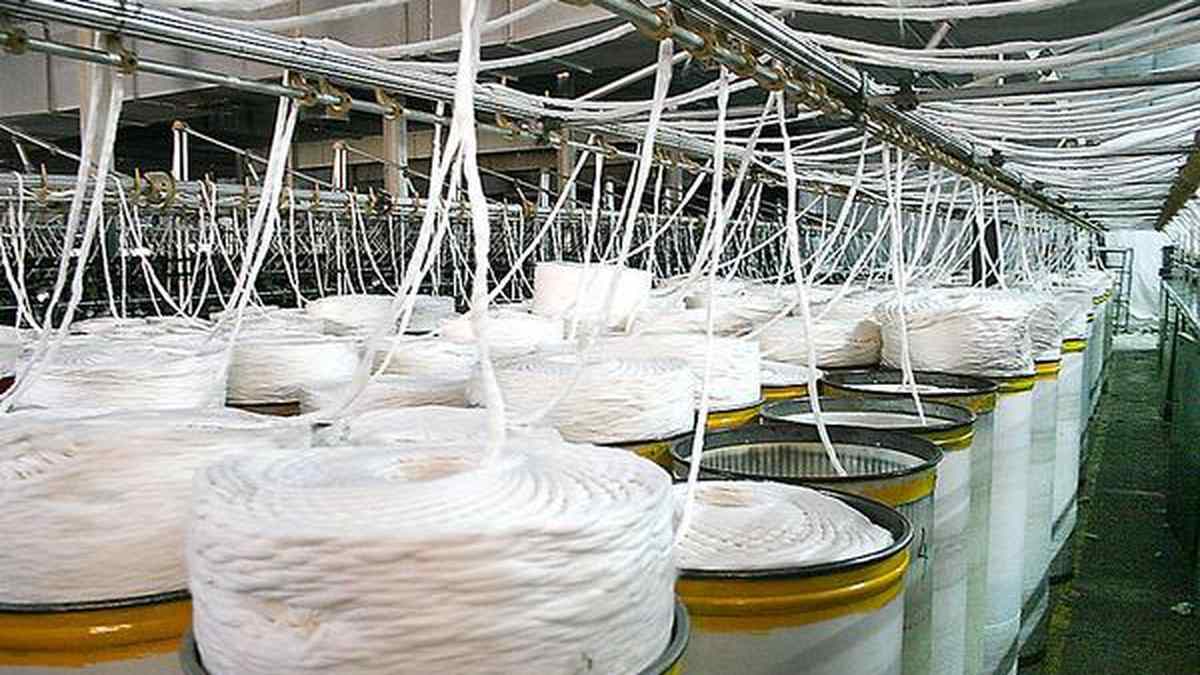
India's biggest weakness in this segment has been its dependence on natural fibres. Performance apparel requires nylon, elastane, spandex and high-tenacity polyester, alongside sophisticated knitting, dyeing, finishing and bonding capabilities. That gap is now narrowing. Indian textile companies are investing in technical knits, four-way stretch fabrics, moisture-management finishes and synthetic yarn production. The government's $1.2 billion Production Linked Incentive scheme for textiles, combined with seven PM MITRA textile parks, is intended to accelerate investment across man-made fibre and technical textile value chains.
The business opportunity is substantial. India's textile market has been projected to grow from $165 billion in 2022 to $350 billion by 2030. For manufacturers, the objective is not simply to increase volumes but to capture more value per garment by moving into technically complex categories.
Suppliers are pulling brands
Global brands typically follow capable tier-one manufacturers rather than build sourcing networks from scratch. This gives large contract manufacturers an outsized role in India's transition. Sri Lankan manufacturers MAS Holdings and Brandix Apparel are examples of this supplier-led expansion. Brandix's 1,000-acre India Apparel City in Visakhapatnam integrates yarn, fabric, dyeing and garment production, creating a vertically coordinated manufacturing ecosystem. MAS has also expanded its technical manufacturing presence across southern India.
Such facilities matter because activewear and lingerie require far tighter quality controls than conventional apparel. Elastomeric recovery, compression, seam performance, colour consistency and bonding accuracy can determine product performance and consumer satisfaction. Integrated parks can reduce dependence on fragmented suppliers while making compliance, traceability and quality assurance easier for global buyers.
Indian players upgrade
Domestic manufacturers are simultaneously moving up the value chain. Gokaldas Exports has increased its capabilities in complex apparel through acquisitions and new manufacturing capacity, positioning itself for sophisticated export orders.
Page Industries is another example of India's intimate-apparel manufacturing depth. As the exclusive Jockey licensee in South Asia, it has developed large-scale production capabilities and operational expertise in underwear and related categories. The combination of international contract manufacturers and domestic champions creates a broader supplier ecosystem. This is important for Western buyers seeking alternatives to concentrated sourcing in East Asia without sacrificing scale or compliance.
Tariffs remain the hurdle
India's manufacturing proposition, however, is not without disadvantages. China and Vietnam retain denser ecosystems for trims, technical components, specialised machinery and synthetic inputs. Vietnam also benefits from preferential access to European markets through the EU-Vietnam Free Trade Agreement.
Indian garments can face standard Western-market duties of roughly 8-12 per cent, depending on product and market. Consequently, a lower factory cost does not automatically translate into the lowest landed cost.
Trade policy therefore becomes central to India's competitiveness. Negotiations with major markets, including the UK and European Union, and investments in port infrastructure could determine how quickly manufacturing gains translate into export growth. The government's ambition to reach $100 billion in annual textile exports by 2030 will depend partly on reducing these external cost disadvantages.
Decathlon shows the way
Decathlon shows how India's role is evolving from local supplier to strategic sourcing base. The French sporting-goods retailer has increased domestic manufacturing across apparel and other product categories, while seeking to source a growing proportion of products sold in India locally.
The significance lies in the export dimension. Indian suppliers are being integrated into Decathlon's wider international distribution network, allowing products manufactured in India to serve markets beyond the domestic consumer. This creates a stronger manufacturing proposition than simple import substitution. Once Indian factories meet global technical, compliance and quality requirements, they can become export platforms for multinational brands.
From backup to anchor
The emerging sourcing realignment does not mean China or Vietnam will lose their dominant manufacturing positions overnight. Their established supplier networks, infrastructure and technical ecosystems remain formidable advantages.
But the reasons of diversification are changing. India combines relatively competitive labour costs with smaller MOQs, a large workforce, growing synthetic capabilities and increasing investments in integrated textile infrastructure. For activewear and lingerie brands, these advantages address a growing need for flexibility as much as cost.
The deeper shift is therefore strategic. India is no longer competing only for cotton T-shirts and conventional apparel orders. As synthetic capacity, technical manufacturing and supplier sophistication grow, it is positioning itself for higher-value segments where speed, flexibility and supply-chain resilience increasingly influence sourcing decisions.
For global brands, India may not replace China or Vietnam. Instead, it is becoming the third pillar of a more diversified manufacturing architecture one designed less around the cheapest factory and more around balancing cost, risk, technical capability and inventory agility.