Vietnam, Bangladesh, Cambodia drive US apparel imports in 2025
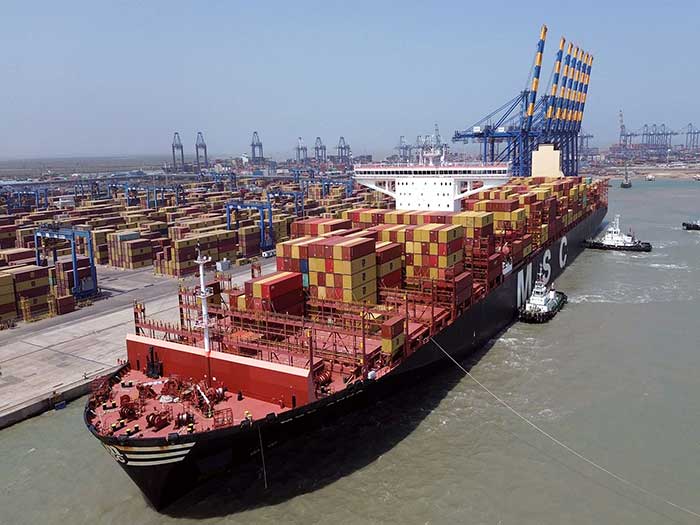
The 2025 year-end data for the US apparel sector reveals an industry in structural flux. Despite aggressive tariff measures and shifting consumer demand, total apparel import value fell only marginally, sliding 1.74 per cent to $77.88 billion. What emerges from the numbers is not a market in retreat but one in realignment, with brands and retailers pivoting supply chains to evade cost pressures while sustaining inventory flows.
The China exodus and the rise of new hubs
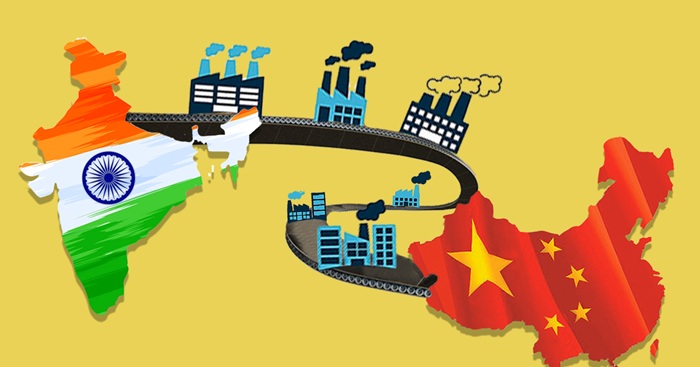
Perhaps the most striking story of 2025 is the continued erosion of China’s dominance in the US apparel market. Imports from China fell 35.54 per cent in value and 27.23 per cent in volume, underscoring a decisive shift in sourcing strategy. Retailers, once cautiously de-risking, are now abandoning China’s manufacturing base for countries with greater tariff resilience and supply chain predictability.
Vietnam has emerged as the clear frontrunner, capturing 21.5 per cent of the US import market with $16.74 billion in shipments. Its stable production base and established logistics networks have made it the default alternative for brands seeking to maintain volume while navigating regulatory uncertainty. Yet, the real 2025 growth story comes from emerging value hubs. Bangladesh achieved its second-highest annual export figure on record, growing 11.71 per cent in value to $8.20 billion, while Cambodia posted 26.93 per cent growth, indicating buyers are willing to diversify beyond established supply chains.
Table: US apparel import performance (Jan-Dec 2025)
|
Country |
Value ($ mn) |
Value growth (%) |
Volume (mn SME) |
Volume Growth (%) |
Unit price ($/SME) |
|
World |
77,881.93 |
-1.74% |
24,814.06 |
-3.70% |
3.14 |
|
Vietnam |
16,747.09 |
+11.79% |
4,702.27 |
+12.80% |
3.56 |
|
China |
10,640.68 |
-35.54% |
6,763.23 |
-27.23% |
1.57 |
|
Bangladesh |
8,202.55 |
+11.71% |
2,661.50 |
+12.32% |
3.08 |
|
India |
4,946.81 |
+5.45% |
1,430.05 |
+4.23% |
3.46 |
|
Cambodia |
4,825.58 |
+26.93% |
1,576.11 |
+35.34% |
3.06 |
|
Indonesia |
4,661.03 |
+9.66% |
1,155.14 |
+13.92% |
4.04 |
|
Mexico |
2,591.96 |
-1.12% |
612.68 |
+7.44% |
4.23 |
The data highlights a clear bifurcation: mature, high-volume suppliers like China are in steep decline, while smaller but increasingly reliable hubs are capturing both market share and strategic importance. Unit prices further reflect this difference, with Chinese exports averaging just $1.57 per SME (standard measurement equivalent), while Vietnam, Indonesia, and Mexico maintain significantly higher price points, reflecting both quality and logistical premiums.
Price pressure and margin squeeze
Despite a modest 3.7 per cent drop in total import volume, average unit prices rose 2.03 per cent globally. This apparent paradox reflects the tug-of-war between rising landed costs, tariff adjustments, and consumer price sensitivity. US importers initially bore the brunt of emergency tariffs but managed to offset some costs through supply chain negotiations, pushing the burden onto foreign manufacturers.
Suppliers in Bangladesh and India describe a familiar dilemma: while initial order pricing was attractive, US buyers anticipated tariff reimbursements following the Supreme Court’s invalidation of emergency duties. Consequently, suppliers often absorbed additional customs costs with limited recourse, squeezing margins on already lean production lines.
Tariff push-back in action
Leading US brands showcase the real-world impact of these dynamics. G-III Apparel disclosed incremental tariff costs of $155 million in 2025, while Victoria’s Secret reported a $100 million impact. Rather than absorbing these costs, brands strategically pushed price adjustments back onto suppliers or negotiated tariff discounts. In Bangladesh, for instance, US buyers demanded aggressive discounts on new orders to counteract the cost of new levies. This behavior highlights a broader market trend: importers are leveraging their bargaining power to maintain retail margins in a volatile trade environment.
Consumer behavior and inventory adjustments
The latter part of 2025 revealed the limits of passing costs downstream. US consumers demonstrated heightened price sensitivity, particularly during the holiday season, when imported apparel prices rose at nearly double the rate of domestic goods. Retailers reacted by prioritizing agility over volume, diversifying sourcing into specialized product categories rather than simply replacing lost Chinese imports. India’s modest 5.45 per cent growth and Pakistan’s 10.79 per cent rise reflect this nuanced strategy: American buyers are focusing on higher-margin or differentiated items to sustain profits.
In the North American near-shoring arena, results were mixed. Mexico’s import value fell 1.12 per cent despite a 7.44 per cent increase in volume, a clear signal that “near-shoring” remains a low-margin game focused primarily on basic items rather than premium categories.
The reimbursement bottleneck and investment chill
The federal tariff program generated $133.5 billion in additional revenue, but the Supreme Court’s nullification of emergency duties has created a commercial bottleneck. Importers, uncertain about timing and scale of reimbursements, are holding back capital, delaying orders, and exercising extreme caution in committing to new suppliers. The uncertainty has cast a shadow over what might otherwise have been a period of aggressive supply chain investment.
Central to dealing with this complex environment is the Office of Textiles and Apparel (OTEXA), the US government’s monitoring body for textile trade. Covering garments, fibers, and technical textiles, OTEXA provides critical data that informs both policymaking and sourcing strategy. In 2025, as reciprocal tariffs redefined competitiveness, OTEXA’s data became a crucial benchmark for retailers plotting a course through South and Southeast Asia’s manufacturing hubs.
The broader lesson from 2025 is clear: American apparel imports are not retreating they are recalibrating. Retailers are learning to read the fine print of tariff policy, consumers are voting with their wallets, and suppliers in emerging hubs are stepping into a strategic spotlight. In a globalized market reshaped by policy, the ability to navigate uncertainty, negotiate costs, and pivot supply chains has become the defining measure of resilience.
The New Dress Code: Sportswear’s takeover of modern wardrobes

For much of the last decade, fashion retail has been defined by volatility. Trends have shortened, discount cycles have intensified and brand loyalty has thinned. Yet one segment has consistently moved in the opposite direction, increasing margins, strengthening consumer stickiness and rewriting the logic of store economics. Sportswear, once treated as a seasonal or adjunct category, has quietly emerged as the most resilient part of the global apparel business.
What began as a niche overlap between gym culture and streetwear has matured into a full-fledged performance economy. Technical apparel now sits at the center of daily wardrobes, not the periphery. Running shoes double as workwear. Training tees pass as lifestyle staples. The functional has become fashionable and that inversion is changing how brands design, market and distribute products.
Experts increasingly trace this playbook back to early pioneers such as Joe Foster, whose work building Reebok showcased that technical credibility could translate into mainstream cultural relevance. That formula: performance first, storytelling second, retail last, has become the template for the modern sportswear business. The numbers now validate the thesis.
Outpacing the broader apparel segment
The sportswear sector is growing faster than most traditional fashion segments and doing so with greater predictability. Demand is supported not only by style cycles but also by lifestyle changes: rising fitness participation, hybrid work routines and health-led consumption.
Table: Global Sportswear Market 2025-26
|
Metric |
Value in 2025 |
Estimated 2026 |
Forecast 2031-34 |
|
Global Market Size |
$220.34 bn |
$235.03 bn |
$402.53 bn |
|
Apparel Segment Share |
63.40% |
63.70% |
Growing at 7.16% CAGR |
|
Footwear Segment Share |
34.70% |
34.50% |
Dominant in Revenue (64.8%) |
|
Regional Leader |
North America (46%) |
North America (40%) |
Asia-Pacific (Fastest Growth) |
The table reveals three distinct dynamics shaping the category’s future. First, absolute scale is increasing rapidly. The market is projected to add nearly $170 billion in incremental value within five years, growth few other apparel segments can match.
Second, while apparel drives volume, footwear remains the primary profit engine. High-margin signature sneakers and performance silhouettes continue to command premium pricing, delivering disproportionate revenue contribution relative to their share. Third, regional gravity is shifting. North America retains leadership but is gradually ceding share to Asia-Pacific markets, where urbanization, rising incomes and fitness adoption are creating first-time buyers at scale. In business terms, sportswear has transitioned from cyclical to secular growth.
The return of credibility-led marketing
If demand fundamentals explain the ‘why’, marketing evolution explains the ‘how’. For several years, brands chased scale through digital advertising and celebrity endorsements. But oversaturation on social platforms diluted effectiveness. Paid visibility became expensive and less persuasive. The industry response has been a shift back to credibility.
Over the years, sportswear brands grew by equipping professional athletes and local fitness leaders, creating organic endorsement that felt earned rather than transactional. That strategy is resurfacing. Partnerships with authentic trainers and micro-communities now generate higher conversion rates than mass-reach campaigns. Internal studies across multiple brands indicate that influencer collaborations rooted in genuine product usage can drive as much as 30 percent of youth-segment sales. The implication for retailers is significant: trust has become a measurable commercial asset.
Product engineering as a pricing lever
The more decisive shift, however, is occurring upstream in product development. Where lifestyle labels compete largely on aesthetics and price, sportswear brands are differentiating through measurable functionality. Engineering has become a commercial lever.
Technical fabrics that wick moisture, regulate temperature or enhance compression are no longer niche innovations. They represent roughly a quarter of new launches across major portfolios. Meanwhile, specialized categories like trail running, cross-training, HIIT, recovery wear are increasing shelf space.
Consumers are showing willingness to pay premiums for what executives describe as ‘technical honesty’ or features that demonstrably improve performance rather than merely suggest it. This approach strengthens margins in two ways. It reduces direct comparability with generic apparel and increases repeat purchase behavior, particularly among serious fitness consumers. Performance, in effect, has become the new luxury.
Margin pressure and distribution recalibration
The growth story is not always smooth. Input costs remain volatile, with fabric expenses rising about 15 per cent year-on-year in several sourcing hubs. Counterfeiting continues to siphon billions in potential revenue globally. At the same time, customers expect faster delivery and seamless omnichannel service. These pressures are forcing brands to rethink distribution economics.
Direct-to-consumer channels remain critical for margin protection and customer data capture. However, the industry is moving away from pure DTC dependence. Instead, it is adopting hybrid structures like selective wholesale partnerships, pop-up formats and experience-driven retail stores that double as community hubs. The goal is not maximum footprint but optimized productivity per square foot. Retail, increasingly, functions as both sales channel and brand theatre.
Community as a growth asset
Digitally native brands illustrate how community can substitute for traditional advertising budgets. For example, Gymshark has built scale by treating creators as collaborators rather than endorsers. Influencers participate in design decisions and product feedback, creating collections that feel co-owned by their audiences. The commercial results are notable. Engagement rates hover around 29 per cent which is well above industry averages and limited-edition drops routinely sell out within hours. Revenues have surpassed $600 million largely without conventional mass media spending. The takeaway for legacy players is clear: participation drives conversion more effectively than promotion.
India as the next growth frontier
Emerging markets are increasingly central to expansion strategies, and India has become a focal point. Here, Reebok operates under Aditya Birla Fashion and Retail, which is executing an aggressive scale-up. The plan includes tripling store count to 500 outlets by FY27 and targeting Rs 1,000 crore revenue. Notably, growth is concentrated outside major metros. Tier-II and Tier-III cities are posting footwear growth rates near 14.5 per cent CAGR, outpacing urban centers. These consumers are younger, aspirational and less brand-saturated, offering fertile ground for performance-led positioning. The strategy blends heritage credibility with omnichannel reach, an approach that aligns with broader global trends. For MNC brands, India is not merely incremental volume but a structural demand engine.
From a business journal perspective, the sportswear story is less about fashion cycles and more about operating discipline. The category benefits from multiple reinforcing factors: functional differentiation, premium pricing power, community-driven marketing and diversified distribution. Few segments combine all four.
As a result, sportswear is increasingly dictating the playbook for the broader apparel industry. Lifestyle brands are adopting technical fabrics. Luxury labels are introducing performance capsules. Even fast-fashion retailers are integrating athletic silhouettes into core assortments. In effect, the logic of sport has become the logic of retail.
The brands that succeed in the next decade will likely be those that treat engineering as strategy, credibility as currency and stores as ecosystems rather than inventory outlets. What started on the track has become the template for the high street and possibly the most dependable growth engine in global fashion today.
Guess Inc taps Hyunjin as global ambassador to accelerate brand refresh
In a strategic bid to consolidate its standing with younger demographics, Guess Inc has appointed Hyunjin of the globally acclaimed K-pop group Stray Kids as its new Global Brand Ambassador. Unveiled on March 6, 2026, the partnership pairs the artist with the brand’s ‘Modern Heritage’ campaign, a project designed to modernize its iconic American denim identity. By leveraging Hyunjin’s cross-disciplinary appeal across music, dance, and visual arts, Guess aims to revitalize its connection with Gen Z and Millennial consumers, a segment currently being courted through vintage-inspired streetwear and high-visibility cultural collaborations.
Strategic shifts in retail and brand positioning
This celebrity partnership serves as a critical tactical component of the company’s broader retail evolution, which emphasizes high-traffic, premium flagship experiences over sprawling mall footprints. The debut of the Guess Jeans flagship on Melrose Avenue in Los Angeles functions as a symbolic anchor for this refreshed vision, signaling a return to the brand’s California origins while serving as a hub for exclusive activations, such as on-site laser denim customization. This push toward experiential retail follows the company's broader effort to rationalize its North American store fleet - targeting the closure of underperforming locations - while simultaneously expanding its footprint in Europe and diversifying its portfolio through strategic acquisitions like rag & bone. By aligning these physical retail transformations with globally resonant ambassadors, the brand seeks to reverse margin pressures faced in recent fiscal quarters and sustain the momentum seen in its wholesale operations.
A Los Angeles-based global fashion retailer, Guess, Inc specializes in contemporary apparel, denim, and accessories. Serving international markets, it operates a vast retail and wholesale network alongside licensing partnerships. The company is currently focused on digital transformation, global brand premiumization, and portfolio optimization. Historically, Guess was founded in 1981 by the Marciano brothers, who pioneered the stone-washed denim trend that defined modern American casualwear.
Worn Again Technologies adopts industrial grade textile circularity with new recycling plant
Worn Again Technologies has officially commissioned its ‘Textile-to-Fiber Accelerator’ plant in Winterthur, Switzerland, marking a pivotal shift from laboratory-scale innovation to industrial-grade textile circularity. Unveiled on March 6, 2026, this new facility is engineered to overcome one of the fashion industry’s most persistent challenges: the separation and high-purity recovery of fibers from poly-cotton blends. Historically, such blended materials - which constitute a vast majority of global textile waste - have been deemed virtually impossible to recycle back into high-quality textiles using conventional mechanical methods.
Scaling chemical circularity
The Accelerator plant utilizes a proprietary solvent-based chemical process that effectively deconstructs textile waste, stripping away dyes and contaminants to isolate polyester and cellulose in their near-virgin states. Unlike traditional downcycling, which degrades fiber integrity, this method produces high-value circular polyester pellets and cellulosic pulp suitable for re-integration into global apparel supply chains. Michael Weiss, CEO, Worn Again Technologies, stated, the facility serves as a critical asset for validating technical and economic feasibility, setting the stage for the company’s first full-scale commercial manufacturing plant. The site is currently delivering its first production module, with detailed engineering already underway for a secondary module focused on generating advanced cellulosic fibers.
Addressing global textile waste
This development arrives as the global textile recycling market enters a rapid growth phase, with projections estimating a valuation of over $7 billion by 2026-end. As regulatory pressure - such as the EU’s mandates for increased recycled content - intensifies, brands are under mounting pressure to secure reliable, sustainable feedstocks. By providing a scalable solution that integrates directly into existing manufacturing infrastructure, Worn Again is positioning itself to bridge the gap between waste generation and the circular economy. This Swiss-based hub acts as a cornerstone for a growing coalition of retailers, waste managers, and technology partners, all working to transform textile waste from an environmental liability into a renewable resource.
Worn Again Technologies is a circular-economy innovator specializing in proprietary chemical recycling. The company focuses on processing non-reusable poly-cotton and blended textile waste into virgin-equivalent polyester and cellulose. With industrial-scale ambitions, it works with global retail and manufacturing partners to enable circular supply chains and reduce raw material dependency.
Texfair 2026 highlights implementation of GOTS 8.0 standards
The 15th edition of Texfair in Coimbatore has emerged as a critical staging ground for the Indian textile industry as it navigates the immediate implementation of GOTS 8.0 standards. With over 240 exhibitors currently showcasing at the Codissia complex, the focus of the fair has shifted from mere volume to high-precision engineering and automated air-jet spinning technologies. These systems are specifically engineered to handle synthetic blends with a 30 per cent reduction in power consumption compared to older legacy frames. According to industry leaders at the event, these technological upgrades are no longer optional, but a prerequisite for maintaining margins against rising operational costs.
The integration of Industry 4.0 into spinning frames allows for real-time monitoring essential for the rigorous traceability audits required under the new GOTS framework, noted a senior representative from the Southern India Mills’ Association. A brief examination of local MSMEs participating in the expo reveals a concerted movement toward indigenous automated spare parts management, which has already reduced downtime for several Tamil Nadu-based spinning units by approximately 15 per cent this year. As international buyers from Switzerland and Japan converge on the stalls, the expo underscores a broader sector transition toward a digitally verified, low-impact manufacturing model that aligns with global environmental mandates.
The Southern India Mills’ Association (SIMA) represents the interests of the organized textile industry in South India. Founded in 1933, it supports over 500 member mills across the spinning and weaving categories. SIMA currently focuses on enhancing global competitiveness through technology missions and sustainable raw material procurement strategies.
ITME 2026 to drive textile market growth to $250 billion by 2030
Scheduled for December in Greater Noida, the upcoming India International Textile Machinery Exhibition (ITME) 2026 is set to serve as a primary catalyst for India’s ambitious goal of reaching a $250 billion textile market by 2030.
Industry experts anticipate this edition to be the largest in the event's history, reflecting a significant capital expenditure cycle within the domestic spinning and weaving sectors. Unlike previous years, the 2026 focus has shifted toward high-speed automated machinery that supports man-made fiber (MMF) and technical textile production, aligning with the government's Production Linked Incentive (PLI) schemes.
Current data suggests, India still imports approximately 60 per cent of its high-end textile machinery; however, ITME 2026 aims to showcase indigenous innovations designed to bridge this gap. Trade analysts project, the exhibition will facilitate investment commitments exceeding Rs 5,000 crore, specifically in the areas of sustainable processing and Industry 4.0-enabled yarn manufacturing.
Despite challenges such as fluctuating raw material costs and global supply chain logistics, the event offers a strategic platform for local manufacturers to demonstrate cost-effective, energy-efficient alternatives to European and Japanese technology. This transition is essential as Indian mills face increasing pressure to comply with international ESG standards while maintaining price competitiveness.
Retech International launches new computerized knitting systems range at Texfair 2026
Ludhiana-based Retech International is utilizing the 15th edition of SIMA Texfair 2026 to introduce a new generation of high-speed, computerized knitting systems. As the Indian textile manufacturing sector faces increased pressure to reconcile rising operational expenses with stringent environmental compliance, Retech’s latest machinery is engineered to integrate seamlessly into modern, data-driven factory environments. These systems, capable of operating at 1200 RPM, are designed to deliver higher throughput while maintaining exceptionally low noise profiles, a critical factor for manufacturers looking to improve workplace efficiency without compromising on production quality.
Driving efficiency through digital integration
The transition toward Industry 4.0 is no longer a luxury but a fundamental necessity for small and medium-sized enterprises (MSMEs) aiming to participate in global supply chains. Retech’s current knitting suite features advanced WiFi connectivity and real-time digital performance monitoring, allowing mill owners to track output and machine health with granular accuracy. By replacing manual oversight with automated control loops, these systems significantly reduce material waste and energy consumption. This capability is increasingly vital for domestic manufacturers striving to maintain compliance with the Global Organic Textile Standard (GOTS) 8.0, which emphasizes rigorous traceability and sustainable production practices throughout the value chain.
Addressing scalability in a competitive market
The domestic textile cluster, particularly in South India, is currently undergoing a period of intense modernization as producers seek to mitigate the impact of volatile labor costs. Retech International aims to bridge the technology gap for MSMEs by offering industrial-grade automation that was previously accessible only to large-scale operations. Beyond standard apparel production, the company is targeting growth in technical textile segments and shoe-upper manufacturing. By providing a combination of precision engineering and energy-efficient architecture, Retech is supporting manufacturers in their broader objective to bolster export competitiveness and diversify their product portfolios amidst evolving international demand.
Established in 2004, Retech International is a specialized manufacturer and exporter of computerized flat-bed and circular knitting machines. Headquartered in Ludhiana, the firm serves major hosiery and textile hubs across India. Retech is currently focused on scaling its technology footprint within technical textile and shoe-upper segments, maintaining steady growth performance.
LMW deploys automated compact spinning systems across major textile hubs
Coimbatore-based Lakshmi Machine Works (LMW) is intensifying its outreach to Indian spinning mills with the deployment of high-efficiency, automated machinery across textile hubs. Despite current industry-wide headwinds - including moderated capacity utilization and thin operating margins exacerbated by recent adjustments to export rebate structures like the Remission of Duties and Taxes on Exported Products (RoDTEP) - spinning units are increasingly prioritizing technological upgrades to sustain competitiveness. LMW is marketing its latest generation of compact spinning systems as essential tools for mills aiming to stabilize production costs and meet the stringent quality benchmarks required for international export markets.
Strengthening operational competitiveness
The push for advanced automation, such as integrated ring frame systems with real-time digital monitoring, is central to LMW's strategy. As labor availability remains a persistent operational challenge, the company’s "smart" machinery—which features automated doffing and energy-efficient drive configurations—offers mills a path toward reducing human intervention and decreasing power intensity. Industry feedback suggests that these technical investments are no longer just for expansion but have become imperative for maintaining cost parity. By reducing yarn hairiness and enhancing fiber uniformity, LMW’s integrated ecosystems enable domestic manufacturers to transition away from low-margin commodity output toward high-value, performance-driven yarn categories.
Strategic market navigation
LMW is navigating a complex domestic environment where textile capital expenditure remains cautious. While the Textile Machinery Division (TMD) has faced cyclical pressure, the company is leveraging its comprehensive product portfolio - stretching from blowroom to winding solutions—to capture demand from mills undergoing essential modernization. By facilitating seamless digital connectivity, LMW’s platforms assist manufacturers in preparing for forthcoming global sustainability mandates, providing the traceability and process control that international buyers now demand as a prerequisite for supply chain integration
. Established in 1962, Lakshmi Machine Works Limited is a premier global manufacturer of textile spinning machinery. Headquartered in Coimbatore, the company provides end-to-end spinning solutions, ranging from blowroom to winding. LMW serves diverse international markets across Asia and Africa while maintaining a significant presence in India's industrial sector. The company continues to prioritize digital service expansion and technological leadership to support the evolving needs of global textile manufacturers.
Versace integration drives Prada Group’s net revenues growth in FY25
The Prada Group has announced a resilient financial performance for the fiscal year ending December 31, 2025, marked by a 9 per cent Y-o-Y increase in net revenues to €5.718 billion.
This achievement represents five consecutive years of top-line growth for the Milan-based luxury powerhouse. While the flagship Prada brand demonstrated steady resilience, the group’s expansion was significantly accelerated by the spectacular 35 per cent revenue growth of the Miu Miu label, which remains a primary engine for the company’s current market momentum.
Strategic portfolio expansion
The fiscal year was defined by the high-profile acquisition of Versace from Capri Holdings, which was successfully finalized on December 2, 2025. This move integrates the iconic Italian fashion house into the Prada Group’s vertically integrated manufacturing and retail infrastructure. Leadership has underscored that the assimilation of Versace is a long-term strategic initiative requiring meticulous operational execution. As the brand undergoes a creative transition - highlighted by the recent appointment of Pieter Mulier as Chief Creative Officer -management anticipates a short-term dilutive effect on group margins through 2026. However, the objective remains to leverage Versace’s significant brand heritage and global awareness to drive long-term value creation and organic margin progression starting in 2027.
Operational resilience and market dynamics
Despite facing strong foreign exchange headwinds and challenging industry comparisons, the group’s disciplined approach to full-price retail sales and operational efficiency has boosted its financial standing. The company maintains a healthy balance sheet, supporting a robust capital expenditure plan that focuses on store network optimization and digital infrastructure. Regional performance remained varied, with the Americas recording double-digit growth, while the group navigated softer consumer sentiment in Europe and geopolitical complexities in other key markets. By focusing on brand desirability and long-term sustainability, Prada Group continues to solidify its position as a dominant player in the global luxury landscape.
A global leader in the luxury sector, Prada Group owns iconic brands including Prada, Miu Miu, Church’s, Car Shoe, and Versace. Headquartered in Milan, the group operates a sophisticated, vertically integrated manufacturing network. Its strategy focuses on long-term brand desirability, operational excellence, and selective global retail expansion.
AI, automation integration defines textile industry growth in India
The integration of Artificial Intelligence and advanced automation has emerged as the defining strategy for India’s textile industry to achieve its ambitious growth targets. During the inaugural SIMA AiTex Summit in Coimbatore on March 6, 2026, industry leaders emphasized, the shift from manual, experience-based operations to structured, data-driven systems is no longer optional. With the sector striving to capture a substantial share of the global market, summit participants highlighted, Industry 4.0 technologies - including predictive maintenance, real-time defect detection, and AI-driven supply chain management - are now critical to sustaining competitive advantage.
Elevating operational excellence through data
The summit provided a platform to showcase successful automation implementations that have directly impacted bottom-line performance. Expert sessions delved into advanced tools such as LMW e-Spares ERP integration and real-time forex hedging trackers, which provide manufacturers with the financial visibility necessary for effective risk management. By replacing subjective manual checks with automated high-volume inspection (HVI) and AFIS data integration, mills are reporting significant improvements in quality consistency and reduction in production waste. Case studies presented during the event demonstrated that these technologies enable a resilient manufacturing ecosystem, allowing units to optimize resource utilization and streamline production planning in an increasingly volatile global market.
Established in 1933, the Southern India Mills’ Association (SIMA) is a premier employer organization representing the textile value chain in South India. It focuses on policy advocacy, technological adoption, and productivity enhancement for its 500+ member mills. SIMA actively facilitates investments and sustainable growth to maintain global competitiveness.
More...
BGMEA and BBF join hands to elevate RMG sector status
The Bangladesh Garment Manufacturers and Exporters Association (BGMEA) and the Bangladesh Brand Forum (BBF) have joined hands to elevate the national readymade garment (RMG) sector on the global stage. Anchored by the roadmap titled ‘From Factory Nation to Innovation Nation - Reimagining Bangladesh Apparel 2030,’ this partnership signifies a structural shift in how the nation communicates its industrial capabilities. By moving beyond a primary focus on cost-efficient, large-scale production, the initiative seeks to integrate advanced branding, digital marketing, and innovation-led narratives into the global perception of ‘Made in Bangladesh.’
Establishing foundations for an innovation-driven future
The core of this partnership involves the establishment of a dedicated Innovation Lab within the BGMEA complex, designed to catalyze young talent in addressing complex industrial challenges. Alongside this, a new Leadership Academy will focus on enhancing the capabilities of mid- and senior-level professionals, with a particular emphasis on fostering women's leadership. This move is critical as Bangladesh contends with increasing global competition and a changing regulatory landscape that demands greater transparency, sustainability, and technological prowess. By providing member factories with modern branding and digital marketing insights, the BGMEA and BBF aim to empower manufacturers to better articulate their sustainability credentials directly to international buyers.
Navigating competitive challenges and strategic growth
The RMG sector currently faces substantial headwinds, including volatile energy costs, rising production expenses, and the complexities of preparing for LDC graduation. Industry leaders recognize that sustainable growth now depends on diversifying into high-value product categories, such as technical textiles and activewear, while reinforcing the sector’s status as a green manufacturing hub. This agreement serves as a necessary conduit to bridge the gap between traditional manufacturing strengths and the increasingly demanding requirements of global luxury and retail markets. By aligning industry data with strategic branding consultancy, the BGMEA intends to strengthen buyer confidence and secure a more resilient, value-added position in the global apparel value chain.
The Bangladesh Garment Manufacturers and Exporters Association (BGMEA) is the apex trade body representing the nation’s ready-made garment industry. It focuses on policy advocacy, international trade relations, and sustainable development. The association supports over 4,000 factories, promoting ethical compliance, technological adoption, and market diversification to maintain Bangladesh's competitive global standing.
Colombia’s fashion industry makes a bold statement at Paris Fashion Week
The ‘Made in Colombia’ label has achieved significant international visibility as seven prominent Colombian fashion and jewelry brands showcased their collections at Paris Fashion Week in March 2026. This presence reinforces Colombia’s status not merely as a high-quality manufacturing partner, but as a source of luxury creative design. The participating brands - Arial 12, Christian Colorado, Adriana Santa Cruz, Andres Otalora, Laura Aparicio, Fenomena, and Vizcarra - exemplified a sophisticated fusion of ancestral artisanal techniques and contemporary, high-end aesthetics.
Strategic sourcing and global integration
Beyond runway success, Colombia is solidifying its position within the global fashion value chain. Industry data indicates, the country’s textile and fashion exports reached approximately $238 million in 2025, with shapewear, swimwear, and casual apparel remaining top-performing categories. Leveraging nearshoring proximity to the United States - which accounts for roughly 41 per cent of its exports - and a network of trade agreements providing access to 1.5 billion consumers, Colombian manufacturers are increasingly viewed as strategic partners for brands seeking agility. Vertically integrated supply chains, combined with in-house R&D and digital printing capabilities, allow these suppliers to offer flexible production runs that address modern retail demands for scalability and speed to market.
Innovation driving sustainable future
Sustainability and craftsmanship remain core differentiators for the Colombian textile sector. Companies are aggressively integrating eco-friendly materials and ethical manufacturing processes to meet stringent international standards. Recent advancements, such as the use of innovative bio-materials and reduced-water dyeing technologies, are setting a new benchmark for competitive advantage. Industry analysts project the Colombian textile market to maintain steady growth, bolstered by a business ecosystem of approximately 12,000 fashion-related companies. By balancing technological automation with traditional artisanal heritage, the industry is successfully positioning itself as a reliable, high-value alternative in an increasingly complex global market.
Colombia’s fashion industry is a vertically integrated ecosystem comprising over 12,000 companies. It specializes in textiles, shapewear, swimwear, and high-fashion apparel. Supported by extensive trade agreements and nearshoring advantages, the sector focuses on sustainability, artisanal craftsmanship, and technological innovation to maintain its competitive edge in international markets.
Prada Group initiates plan to rationalize Versace distribution network
Following the successful acquisition of Versace, the Prada Group has launched an ambitious restructuring plan designed to elevate the brand’s market positioning. Central to this strategy is a rigorous rationalization of Versace’s distribution network, which involves phasing out sub-brands such as Versace Jeans Couture and reducing exposure to off-price channels. By limiting wholesale distribution and streamlining physical store locations, management intends to cultivate greater brand scarcity and enhance overall full-price sell-through rates, aligning Versace’s commercial model with the exclusivity typical of the Prada and Miu Miu portfolios.
Aligning retail operations with luxury standards
Under the stewardship of Lorenzo Bertelli, Chairman, Versace, the Group is prioritizing operational discipline to restore profitability. The integration process includes shifting the brand’s leather goods and footwear production into Prada’s internal manufacturing hubs in Italy, aiming to elevate product quality and structural integrity. This move is complemented by a creative leadership transition, with Pieter Mulier appointed as Chief Creative Officer to oversee the relaunch of Atelier Versace and revitalize the house’s aesthetic direction. We will continue with network optimization as we progressively rationalize markdown practices while focusing on driving in-store productivity, states Bertelli. While these measures are expected to create a short-term dilutive effect on the group's margins through 2026, the long-term objective remains a robust return to organic margin expansion beginning in 2027.
A prominent global leader in the luxury sector, the Prada Group owns iconic brands including Prada, Miu Miu, Versace, Church's, and Car Shoe. The group focuses on high-end fashion, leather goods, and lifestyle products, with an aggressive growth strategy centered on creative consistency, operational verticalization, and sustained retail expansion. Having reported 20 consecutive quarters of growth, the group maintains a resilient financial outlook, prioritizing long-term brand desirability over short-term volume. Historically, the company has transformed from a Milanese leather goods specialist into a diverse, powerhouse conglomerate capable of navigating complex global market cycles.
Hemp finds its moment in India’s $500 billion American trade calculus

In the grand arithmetic of India’s expanding trade engagement with the US, the headlines usually gravitate toward oil cargoes, aircraft orders, and defence hardware. Yet, tucked beneath these big-ticket line items, a quieter transformation is unfolding inside spinning sheds and weaving floors across India’s textile clusters. Industrial hemp, once relegated to niche experimentation is fast emerging as a strategic lever in New Delhi’s ambitious plan to scale imports from the US to $500 billion over the next five years. What began as a diplomatic trade commitment is now turning into an operational advantage for Indian apparel exporters chasing premium Western markets.
For mills long battered by cotton price volatility and the environmental scrutiny around synthetics, US-grown hemp offers something rare: predictability: predictable volumes; predictable quality; predictable compliance. In an era when global retailers demand both China-plus-one diversification and carbon accountability, that trifecta is becoming commercially decisive. The result is a supply chain reset that could quietly redraw the competitive map of global textiles.
Rewiring the supply chain, not just diversifying it
For decades, India’s textile backbone oscillated between two extremes monsoon-dependent natural fibers and petrochemical synthetics tied to fossil fuel cycles. Both carried risk. Cotton prices swung wildly with weather and geopolitics, while synthetics attracted increasing regulatory and reputational pushback over microplastics and emissions.
The new US trade corridor introduces what industry executives describe as a plug-and-play fiber ecosystem. Instead of fragmented sourcing through intermediaries, hemp shipments now arrive with farm-level documentation, standardized mechanical processing, and verified Life Cycle Assessment data. For compliance teams grappling with tightening environmental norms in the United States and the European Union, that transparency is invaluable.
Digital Product Passport readiness soon to be mandatory across parts of Europe becomes far easier when a fiber’s journey can be traced back to the field. What hemp offers, in effect, is industrial discipline in a segment that historically operated on artisanal variability.
Why American hemp is edging out legacy suppliers
India is no stranger to hemp imports. Mills have long sourced fiber from China and parts of France. But 2026 is marking a decisive pivot. The difference lies less in geography and more in process engineering. US producers rely on large-scale mechanical decortication rather than water-heavy traditional retting. That shift reduces both environmental footprint and fiber inconsistency — two pain points that previously limited hemp’s scalability for apparel.
Table: Major hemp producers
|
Feature |
US Heartland hemp |
Chinese hemp |
European (French) hemp |
|
Extraction Method |
Mechanical Decortication |
Traditional Water Retting |
Dew Retting |
|
Sustainability Profile |
Verified LCA / Carbon Negative |
High Water Consumption |
Low Impact / Highly Regulated |
|
Purity & Consistency |
High (Machine Standardized) |
Variable (Hand-processed) |
High (Textile Grade) |
|
Traceability |
Farm-to-Fiber (DPP Ready) |
Limited / Multi-tier |
High (Regional Origin) |
|
Commercial Entry |
$4,000 / Metric Ton |
$1,350 / Metric Ton |
$1,200 / Metric Ton |
|
Trade Benefit |
18% Reciprocal Tariff Route |
Standard Import Duties |
FTA / Bilateral Routes |
At first glance, the US option appears expensive nearly three times the Chinese price. But the headline number masks the economics. Mechanical extraction yields cleaner fiber that needs less downstream processing, reducing waste, chemical inputs, and machine downtime. Add tariff benefits and faster throughput, and mills report that the effective cost gap narrows sharply. In practice, reliability is proving more valuable than cheapness.
Tariff math that changes the margin story
The trade reset of 2026 has reduced reciprocal tariffs to 18 per cent, subtly but meaningfully altering India’s export competitiveness. That two-percentage-point edge over rivals such as Bangladesh and Vietnam may sound marginal, but in high-volume apparel contracts, it directly protects margins that often hover in single digits.
Experts point out an even bigger upside: if garments use US-origin fibers like hemp, they could qualify for deeper concessions, mirroring earlier zero-duty benefits tied to American cotton. This effectively transforms India into a value-add processing hub for US raw materials — importing fiber, exporting finished apparel, and capturing the manufacturing margin in between. It is less about buying American and more about monetizing American origin.
Sustainability that finally pays its way
For years, sustainable materials carried a premium that brands were reluctant to absorb. Hemp’s latest iteration is flipping that narrative. Industrial hemp uses roughly 95 per cent less water than cotton and requires no pesticides. But what makes it commercially attractive is performance. Spinners are blending hemp with cotton, lyocell, and bamboo to create fabrics that combine durability with comfort ideal for denim, workwear, and active categories. Unlike polyester blends, these fabrics avoid the microplastic problem that has begun to haunt synthetic apparel.
Environmental compliance is no longer just marketing. It’s becoming a procurement prerequisite. Hemp checks that box while strengthening fabric resilience a rare alignment of ethics and economics.
Denim becomes the proving ground
The most convincing proof has come from denim. A consortium of global brands recently partnered with Indian mills to test hemp blends at industrial scale. Using US-grown fiber, mills were able to cottonize hemp on existing ring spinning systems eliminating the need for expensive new machinery. Mechanical decortication paired with enzymatic retting delivered finer fibers and smoother processing.
The numbers were telling: Lead times dropped 15 per cent; processing variability declined; a 50,000-garment run using a 20 per cent hemp blend saved over 4 million liters of water. For manufacturers accustomed to pilots that never scale, this was different. The process worked on standard equipment, at commercial volumes, with measurable savings. That practicality is what turns an experiment into an industry shift.
The industrial muscle behind the fiber
Driving much of this transformation is Heartland Industries, a Detroit-based materials science company positioning itself as a carbon-negative hemp innovator. Rather than selling raw agricultural output, the company supplies engineered, standardized fibers tailored for textile and automotive applications. Each shipment arrives with traceability documentation, aligning with tightening transparency mandates in Western markets. Its approach signals hemp’s evolution from cottage crop to industrial commodity.
With the global hemp fiber market projected to cross $28 billion by 2026, what was once alternative is rapidly becoming mainstream particularly for supply chains under pressure to prove sustainability credentials.
A strategic crop in a geopolitical era
What makes hemp’s rise notable isn’t just its environmental logic. It’s its geopolitical utility. By anchoring part of its textile inputs to the US, India strengthens trade reciprocity while insulating exporters from tariff shocks and compliance risks. The fiber effectively serves as a diplomatic bridge one that converts trade policy into production efficiency. In the past, trade agreements were abstract constructs negotiated in ministries. Today, they show up directly on the factory floor.
Bales of American hemp entering Indian mills are more than raw material. They are proof that supply chains are becoming instruments of strategy.
If oil and aircraft dominate the speeches, hemp may quietly dominate the margins stitching together sustainability, competitiveness, and geopolitics into a single thread that runs through India’s next export chapter.