Vietnam is facing reduced export orders for its textiles, garments and footwear.
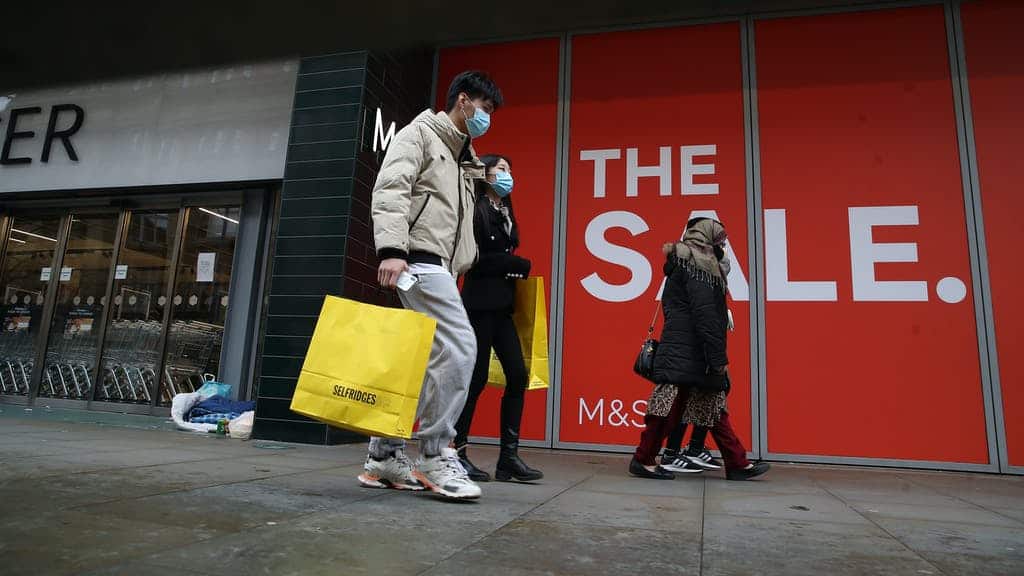
This is mainly because of inflation in the US and EU, which is forcing consumers to tighten spending. Demand for high-end clothing items such as shirts and T-shirts made from recycled cotton fibers have slowed down in the second half of 2022.US customers have shortened the period of ordering exports to three months before the deadline for goods delivery instead of six months due to high inventories and inflationary pressures.
In the US and Europe, although world fuel prices have decreased, inflation in these markets is still high to make people tighten their spending. This has negatively impacted the textile and garment exports of Vietnamese enterprises because the two markets account for a large proportion of Vietnam’s textile, garment and footwear exports. So the leather and footwear industry is in inventory due to the reduced consumer demand.To cope with this situation, footwear enterprises have been forced to reduce overtime.
At the same time they are negotiating with partners to do orders that were signed during the pandemic for maintaining operations and ensuring employee income. Some companies are looking for short-term opportunities in the domestic market or are looking for orders in new markets.