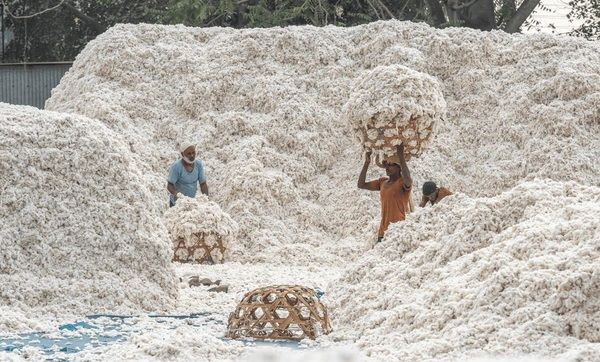
The recent US import ban on Xinjiang related products has made it difficult for the international fashion industry representatives to choose between cotton-related goods from China's Xinjiang region, a key global supplier, and elsewhere. Mamun Mridha, Joint Secretary General, Bangladesh China Chamber of Commerce and Industry (BCCCI), says, the country is well aware of the US ban and is monitoring the issue closely.
While Bangladesh does not import much cotton from Xinjiang, almost 60-70 per cent of the country's yarn and fabric comes from China, adds Mridha. Recently, the country passed the $52 billion mark for exports, and among that almost $42 billion came from exports of garments and textiles, according to the BCCCI.
The Uyghur Forced Labor Prevention Act (UFLPA), which came into force on June 21 after being signed into law by Biden on December 23, 2021, assumes that any product partly or wholly made in Xinjiang, is linked to the US hyped "forced labor" claim and subject to an import ban.
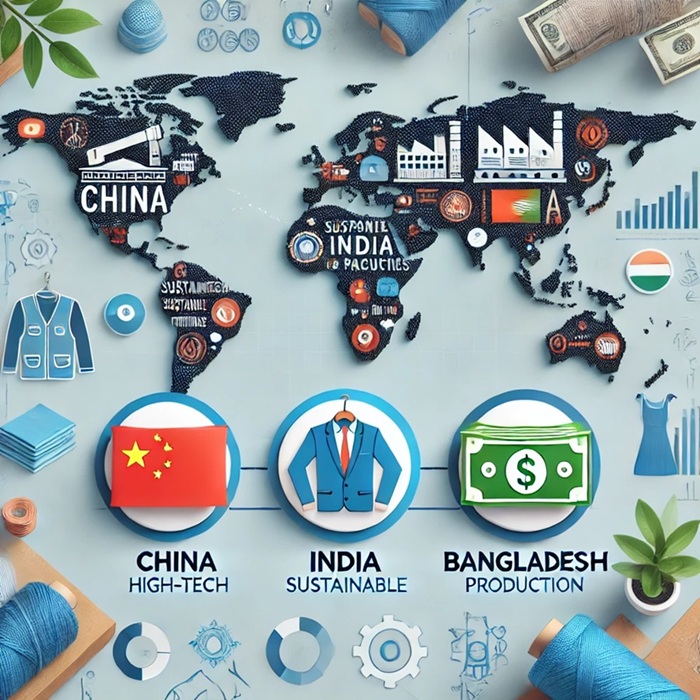
In the ninth annual Fashion Industry Benchmarking Study recently released by the US Fashion Industry Association (USFIA), it shows, Asia remains the dominant base of sources for US fashion companies; eight of the top 10 most-utilized sourcing destinations are in Asia, led by China, Vietnam, Bangladesh, and India.
The USFIA claimed that one-third of their surveyed respondents report sourcing less than 10 percent of their apparel products from China this year, but the association admitted that over 95 per cent of respondents said they expect the UFLPA to affect their sourcing.
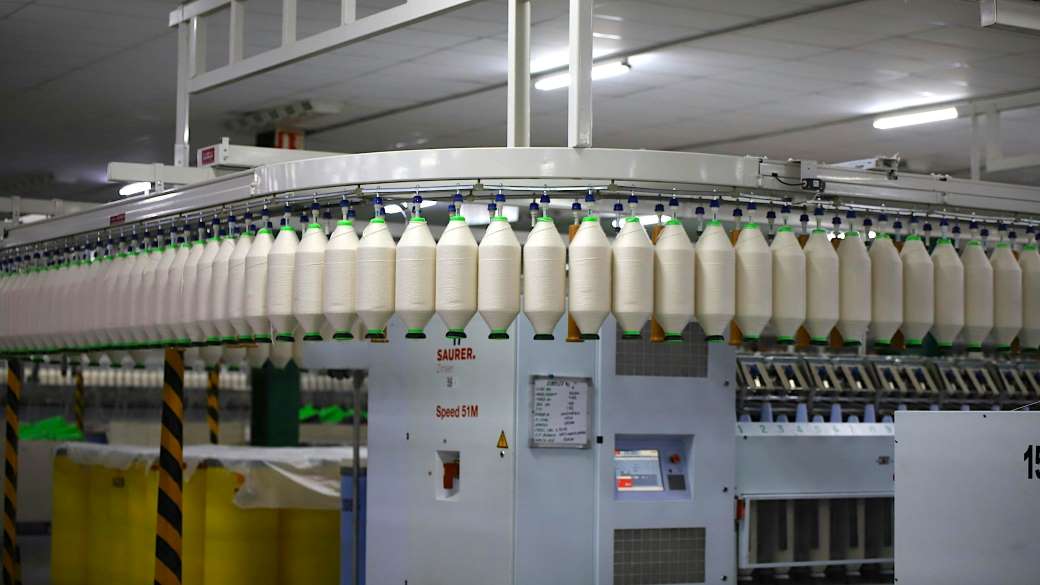
Compared with finished garments, US fashion companies' textile raw material sourcing seems less diversified.