The apparel industry in the US has had a tough start to 2020. Consumers are buying fewer and fewer items to stock their closets, and companies that typically sell tons of winter coats and sweaters faced cold January.
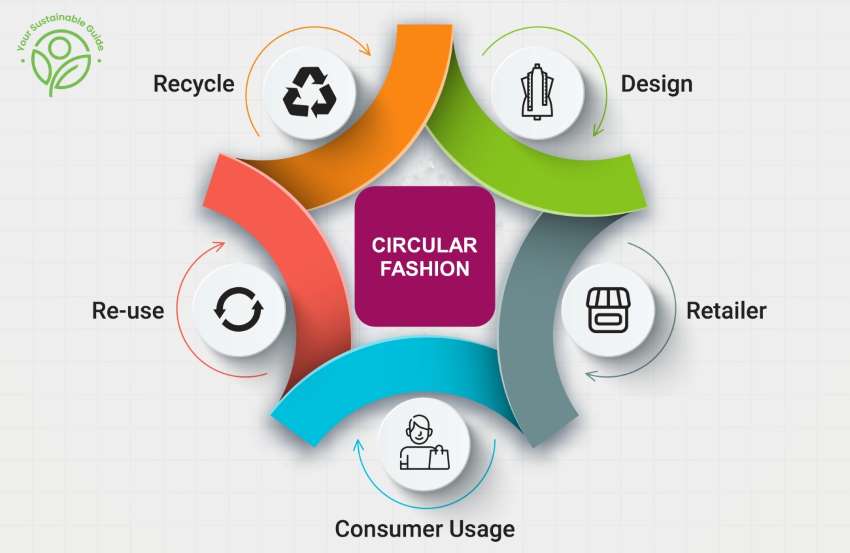
Receipts at clothing stores dropped 3.1 per cent last month, the most since March 2009. Women’s apparel was its weakest category during the holidays. Retailers are reworking some of their private label apparel brands in a bid to win back shoppers. Tops, dresses and pants are lying unsold in stores. Baby boomers are aging and buying less clothing than they used to. Millennials are not inclined to spend as much on their wardrobes. Instead, new options like Rent the Runway — where users can pay a monthly fee to rent items to wear to work, to the gym, on vacation and on the weekends — and Stitch Fix — where customers pay to have personalized boxes of clothes shipped to them — are gaining in popularity. The casualization of the workplace also means women and men aren’t buying expensive suits and skirts to wear around the office. Instead, many can get by with jeans and jogger pants. Second-hand apparel is also in style, as shoppers are increasingly thinking about how they can create less waste when they shop.
- 1
- 2
- 3
- 4
- 5
- 6
- 7
- 8
- 9
- 10
India’s textile trade gets a Pacific push as New Zealand FTA removes tariff barr…
India and New Zealand have inked a ‘once-in-a-generation’ Free Trade Agreement (FTA), one that will have a profound impact on... Read more
Lululemon’s world-first nylon circularity push signals a new apparel arms race
The global apparel industry’s circularity narrative is entering a more technically demanding phase. Polyester recycling once the flagship of sustainable... Read more
Beyond the DTC Rush: Levi’s hybrid channel strategy sets a new retail benchmark
The global apparel sector is entering a phase where channel strategy is no longer a tactical lever but a core... Read more
The New Rules of Resale: EPR turning secondhand into fashion’s strategic growth …
The global fashion industry is facing a decisive regulatory and commercial reset. What began as a sustainability narrative around reuse... Read more
The 2027 Mandate: Why denim’s future hinges on verifiable data
For decades, the global denim industry has relied on a narrative of durability, heritage, and authenticity. That narrative is now... Read more
Europe’s textile core unravels as costs, imports and policy pressure bite
Europe’s textile and apparel sector, long seen as a benchmark for craftsmanship and industrial depth, is slipping into a prolonged... Read more
Automation, innovation, regulation are the forces shaping textiles in 2026
The global textile sector has entered a new era. Early 2026 saw the industry breach a $1.06 trillion valuation, reflecting... Read more
The new Brussels rulebook, every EU apparel order is now a balance-sheet risk
The humble export order sheet is undergoing a transformation. What was once a straightforward commercial instrument: SKU, volume, FOB price,... Read more
Why 2026-27 could be a defining cotton year for India’s farm-to-fashion economy
The global cotton economy is entering a more constrained phase, and for India, the implications run far beyond the farm... Read more
Luxury resale’s next big battle is no longer digital, it is about who controls s…
For nearly a decade, the luxury resale story was written in the language of platforms. Market leadership was measured by... Read more