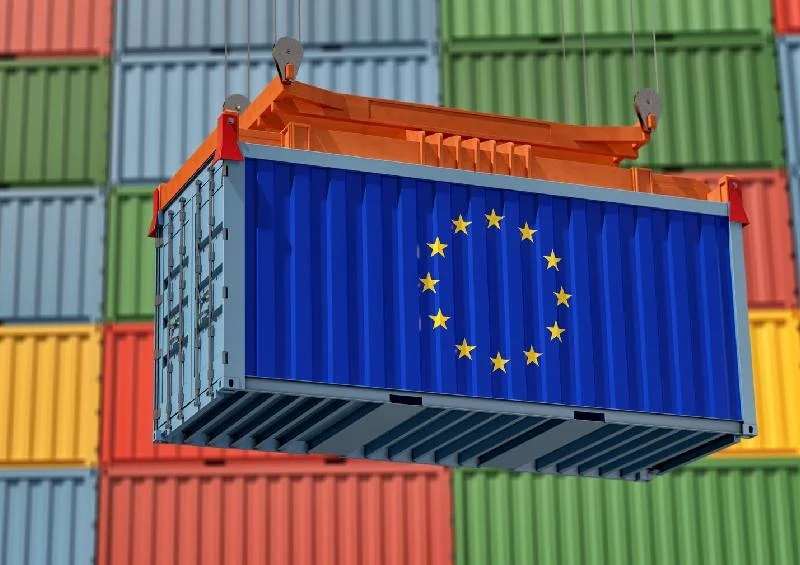
The European Union (EU) is now in a challenging phase. The energy crisis is eroding household purchasing power and weighing on production. Economic sentiment has markedly fallen.Growth is set to significantly contract at the turn of the year.
Amid elevated uncertainty, high energy price pressures, erosion of household purchasing power, a weaker external environment and tighter financing conditions are expected to tip the EU, the euro area and most member states into recession in the last quarter of the year. The EU is among the most exposed advanced economies, due to its geographical proximity to the Ukraine-Russia war and heavy reliance on gas imports from Russia. However as inflation keeps cutting into households' disposable incomes, the contraction of economic activity is set to continue in the first quarter of 2023.
Growth is expected to return to Europe only in spring, as inflation gradually relaxes its grip on the economy. With powerful headwinds still holding back demand, economic activity is set to be subdued, with GDP growth reaching 0.3 per cent in 2023 as a whole in both the EU and the euro area.By 2024, economic growth is forecast to progressively regain traction, averaging 1.6 per cent in the EU and 1.5 per cent in the euro area.