The Indian textile industry needs to develop its strength and formulate an effective strategy when the Comprehensive Economic Partnership Agreement (CEPA) comes into effect.
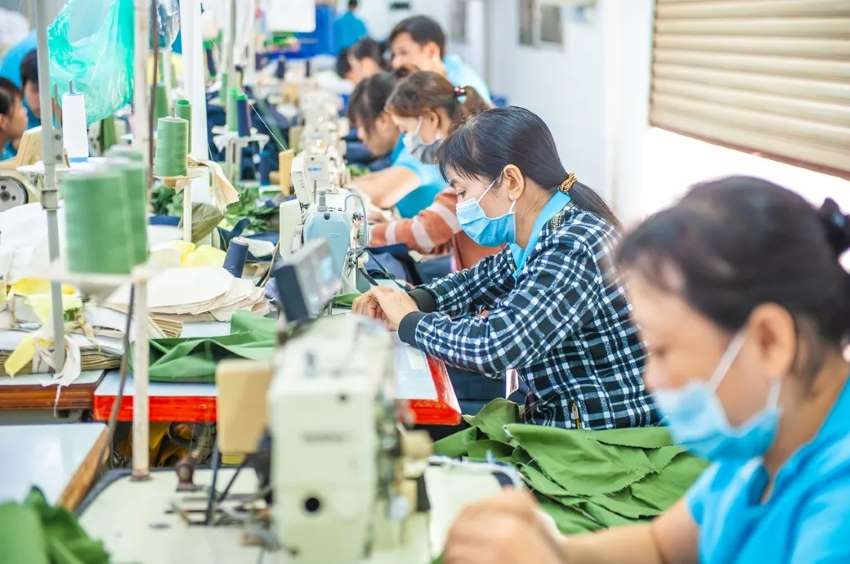
Bangladesh and India are interested in deepening trade ties.Bangladesh is an emerging star in the global textile industry as it has succeeded in converting itself into a global factory for textile products.Bangladesh’s apparel exports over the last fiscal increased 35 per cent over the previous fiscal. On the other hand, India’s apparel exports increased 33 per cent in the last fiscal.
Currently, Bangladesh imports more yarn and fabric from India and exports finished products like apparel. The Comprehensive Economic Partnership Agreement may change this equation.There is a view that exporting cotton and yarn from India would enable competing countries including Bangladesh to offer tough competition to Indian exporters after getting cheaper raw materials. A trade agreement between India and Bangladesh, two large economies in South Asia, can boost intra-regional trade in South Asia, which is the least connected region in terms of trade when compared to other regions such as North America, Europe and Asean. India can double its merchandise exports to Bangladesh if the latter reduces its peak tariff of 25 per cent on 415 goods under the CEPA.