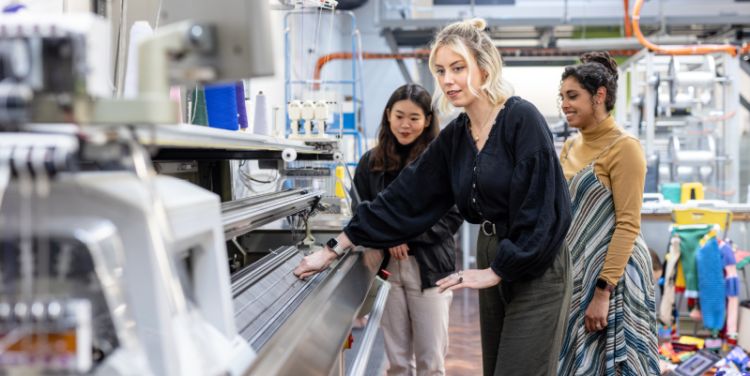
Tamil Nadu’s Tirupur cluster is pressing for the right infrastructure such as a world-class design studio, a research and development center and an incubation centre for technical textiles. It feels these infrastructure facilities will facilitate rapid growth of not only the existing textile business but also enable its foray into the niche segments creating quantum growth opportunities to the industry.
The cluster is interested in having a focused and dedicated agency for the knitwear sector, similar to the silk or the coir board, which could serve as a catalyst for rapid growth of this segment.
Tirupur is the knitwear capital of the country with a 46 per cent market share in knitwear exports. It aims for a turnover of Rs lakh crore by 2020 from the present Rs 35,000 crores. Exporters say housing and hostel facilities will attract and retain skilled laborers. They are also looking forward to the implementation of the Factories (Amendment) Bill 2016, which would benefit the garment sector and will be helpful to fulfill buyers’ compliances.
The cluster argues since apparels are essentials, they should attract a lower slab rate under GST considering that the cumulative tax on textile products, including the non-availability of input tax credit on the inter-state purchase of cotton and other raw materials, presently comes to only around 7 to 8 per cent.
- 1
- 2
- 3
- 4
- 5
- 6
- 7
- 8
- 9
- 10
Britain’s Forgotten Growth Engine: Why policy gaps are undermining fashion and t…
Britain’s fashion and textile industry, often framed through the lens of creativity and design, is emerging as a case study... Read more
Beyond price rallies structural reform can strengthen India’s cotton economy
India’s cotton economy is entering a decisive phase, where firmer prices and tighter arrivals in the 2026-27 season have given... Read more
Polyester volatility redraws India’s textile industry competitive map across Asi…
India’s synthetic textile industry has entered a phase of cost instability as polyester staple fibre (PSF) prices rise across domestic... Read more
The £7 Billion Question: Who pays for fashion’s ‘free rental’ habit?
The global fashion industry is facing an uncomfortable paradox: its most valuable customers may also be its most destructive. A... Read more
India, China Bangladesh face fresh headwinds as global apparel markets rebalance
Global apparel trade is entering a more uneven recovery phase, with demand growth persisting but losing uniform momentum across major... Read more
Global cotton enters a deficit year in 2026 as supply drop meets logistics risk
The global cotton economy has entered a fragile and sensitive phase. Early projections for the 2026-27 season suggest that world... Read more
India’s textile trade gets a Pacific push as New Zealand FTA removes tariff barr…
India and New Zealand have inked a ‘once-in-a-generation’ Free Trade Agreement (FTA), one that will have a profound impact on... Read more
Lululemon’s world-first nylon circularity push signals a new apparel arms race
The global apparel industry’s circularity narrative is entering a more technically demanding phase. Polyester recycling once the flagship of sustainable... Read more
Beyond the DTC Rush: Levi’s hybrid channel strategy sets a new retail benchmark
The global apparel sector is entering a phase where channel strategy is no longer a tactical lever but a core... Read more
The New Rules of Resale: EPR turning secondhand into fashion’s strategic growth …
The global fashion industry is facing a decisive regulatory and commercial reset. What began as a sustainability narrative around reuse... Read more