Synthetic clothing accounts for more than a third of primary microplastic release to the world’s oceans. Textiles are the fourth largest cause of environmental harm after food, housing, and transport.
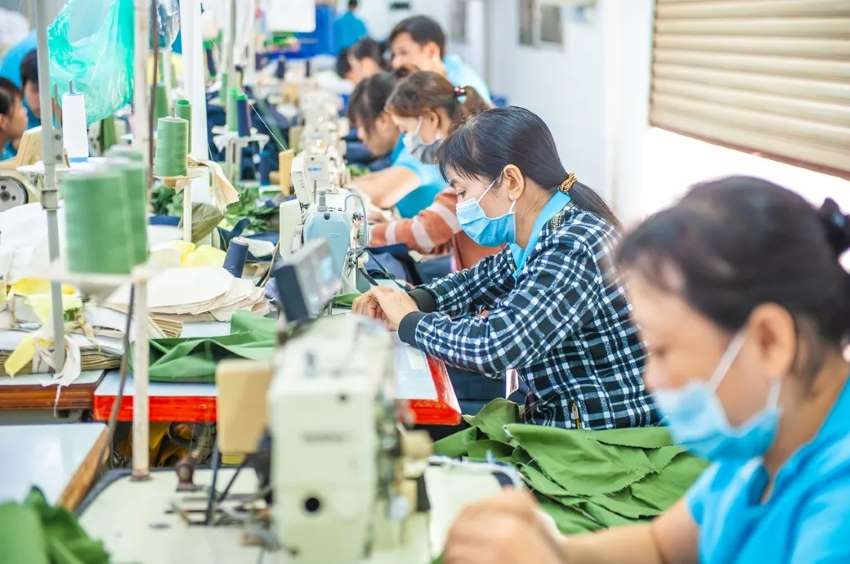
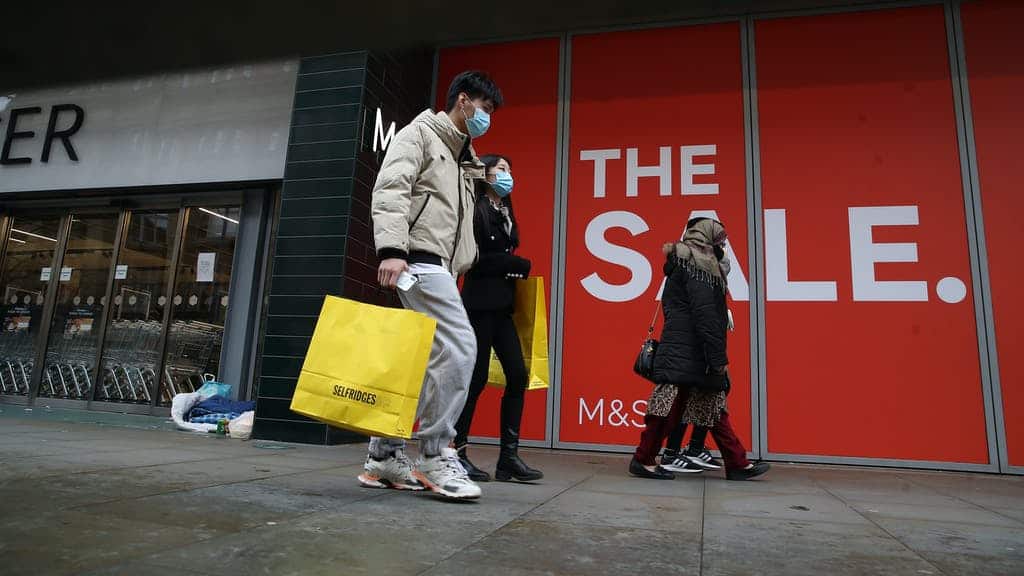
Between 2000 and 2014, global clothing production more than doubled. People are buying more clothes than ever before and throwing them away even faster. This problem of overconsumption is fueled by a surge in production of cheap, fossil fuel-based textiles. Fossil fuel-based fibers, such as polyester, recycled polyester and nylon, now make up more than 60 per cent of global fiber production and this is expected to continue growing rapidly.
When fewer and better products are produced, it will be possible to use these for longer, and circular textile models such as repair, rental, reuse and recycling will become viable.
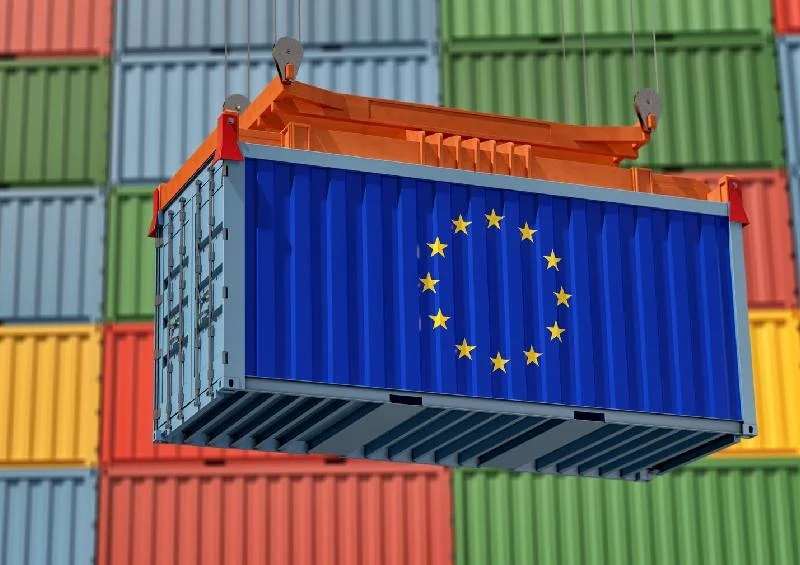
The EU wants to promote a more sustainable textiles industry and has a strategy for sustainable and circular textiles. However the Product Environmental Footprint methodology is out of date. It doesn’t include indicators for microplastic pollution, plastic waste and circularity that are critical for the EU if it wants to achieve its goals.
Failing to include these indicators targeted at fast fashion will give brands license to greenwash, guiding well-intended consumers to unintentionally purchase more, rather than less, fossil fuel-based, fast fashion products.