Tamil Nadu has a robust eco-system for manufacturing textiles and garments. Hence, a textile policy will help sustain as well as improve the existing production units in the state. Technology in manufacturing units will improve and make them more energy efficient.
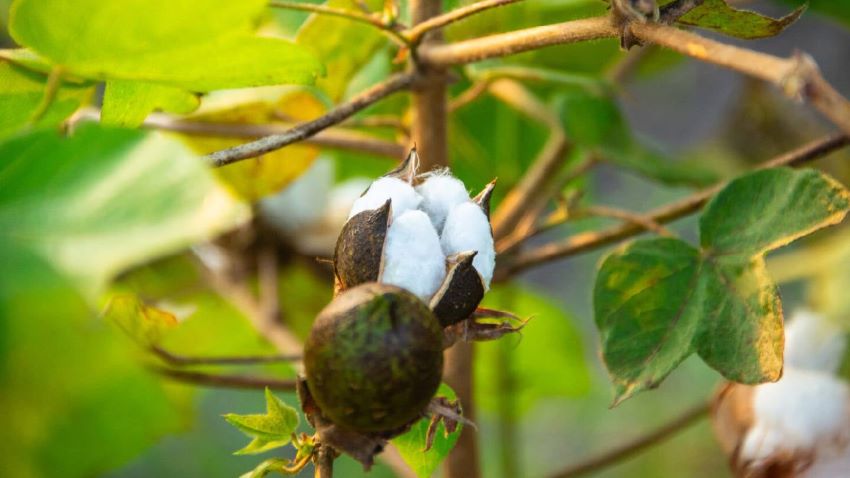
The area under cotton in Tamil Nadu can also be increased. Madhya Pradesh, Maharashtra, Gujarat and Telangana already have such policies in place, which are bringing textile investments into these states. States that have cotton offer capital subsidies, giving a price advantage to textile units. Textile units in Tamil Nadu have asked for skill development initiatives, promoting the ‘Made in Tamil Nadu’ brand and working towards the growth of the Tirupur, Karur and Erode clusters.
Other possible initiatives are supporting the e-commerce sector and promoting textile items made of manmade fibers. Spinning, handloom, power looms and garments are the four pillars of the textile sector in Tamil Nadu. Tamil Nadu has a strong production base and accounts for about a third of textile production in the country. The state accounts for about 30 per cent of India's export of textile products. The net value addition in the textile industry in Tamil Nadu is about 37.5 per cent, the highest in the country.
- 1
- 2
- 3
- 4
- 5
- 6
- 7
- 8
- 9
- 10
Britain’s Forgotten Growth Engine: Why policy gaps are undermining fashion and t…
Britain’s fashion and textile industry, often framed through the lens of creativity and design, is emerging as a case study... Read more
Beyond price rallies structural reform can strengthen India’s cotton economy
India’s cotton economy is entering a decisive phase, where firmer prices and tighter arrivals in the 2026-27 season have given... Read more
Polyester volatility redraws India’s textile industry competitive map across Asi…
India’s synthetic textile industry has entered a phase of cost instability as polyester staple fibre (PSF) prices rise across domestic... Read more
The £7 Billion Question: Who pays for fashion’s ‘free rental’ habit?
The global fashion industry is facing an uncomfortable paradox: its most valuable customers may also be its most destructive. A... Read more
India, China Bangladesh face fresh headwinds as global apparel markets rebalance
Global apparel trade is entering a more uneven recovery phase, with demand growth persisting but losing uniform momentum across major... Read more
Global cotton enters a deficit year in 2026 as supply drop meets logistics risk
The global cotton economy has entered a fragile and sensitive phase. Early projections for the 2026-27 season suggest that world... Read more
India’s textile trade gets a Pacific push as New Zealand FTA removes tariff barr…
India and New Zealand have inked a ‘once-in-a-generation’ Free Trade Agreement (FTA), one that will have a profound impact on... Read more
Lululemon’s world-first nylon circularity push signals a new apparel arms race
The global apparel industry’s circularity narrative is entering a more technically demanding phase. Polyester recycling once the flagship of sustainable... Read more
Beyond the DTC Rush: Levi’s hybrid channel strategy sets a new retail benchmark
The global apparel sector is entering a phase where channel strategy is no longer a tactical lever but a core... Read more
The New Rules of Resale: EPR turning secondhand into fashion’s strategic growth …
The global fashion industry is facing a decisive regulatory and commercial reset. What began as a sustainability narrative around reuse... Read more