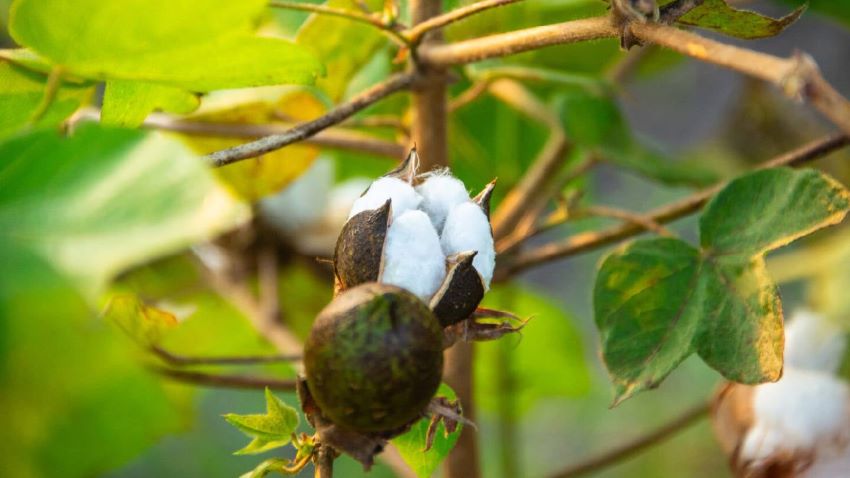
Following the strategic roadmap established at the Nagpur Chintan Shivir, the Ministry of Textiles has initiated a rigorous overhaul of the domestic cotton value chain to bridge the 15 per cent productivity gap between Indian farmers and global benchmarks. With India currently contributing nearly 25 per cent of the world’s cotton area but only 23 per cent of its production, the focus has transitioned from horizontal expansion to vertical yield enhancement. Data from the 2025-26 crop cycle indicates, high-density planting systems and the introduction of climate-resilient seeds could elevate national average yields from $450 kg/ha to nearly $700 kg/ha within three seasons. This shift is critical as the domestic apparel industry aims for a $250 billion valuation by 2030, a goal that remains contingent on the consistent availability of premium, long-staple fiber.
Integrating quality standards for global apparel dominance
The textile sector is currently navigating a period of rapid modernization, where fiber quality is becoming the primary lever for export growth. By mandating stricter Quality Control Orders (QCOs) and promoting ‘Kasturi Cotton India’ branding, the Ministry is positioning domestic mills to capture high-value contracts in the European and North American markets. Dr Anil Mehra, Industry Expert notes, the focus on quality fiber is no longer a choice but a necessity to satisfy the traceability demands of global retail giants. Despite the challenges posed by fluctuating monsoon patterns and rising input costs, the integration of advanced ginning technologies is expected to reduce contamination levels by 30 per cent. This systemic improvement creates a lucrative opportunity for garment exporters to reduce their reliance on imported extra-long staple cotton, thereby strengthening the fiscal health of the entire textile ecosystem.
Operating as the backbone of India’s industrial employment, the textile sector manages a comprehensive value chain from raw fiber to finished fashion. Dominating the global yarn and home textile categories, the industry is now scaling high-performance technical textiles and man-made fibers. Backed by the PLI scheme, the sector targets a 10 per cent CAGR, leveraging its century-old manufacturing heritage to achieve $100 billion in exports by the decade's end.