Tech and fashion are merging together to create smart textiles without sacrificing style, comfort and practicality. Fashion is in a constant state of evolution. Technological advancements are only accelerating this concept.
Fabrics change colors in response to the wearer’s breathing patterns. Fabrics with nanotech treatments turn resistant to water, stains, and wrinkles. More people are wearing smart clothing in gyms. The materials that make up smart fabrics can range from high-grade polymers for maximum comfort to threads equipped with tiny sensors that respond to stimuli and perform a specific function. So yoga pants vibrate to guide the wearer through correct yoga poses. Running shorts connected to a smartphone can provide running-specific metrics such as cadence, pelvic rotation, and stride length.
Athletes wear kits with built-in micro massagers that facilitate faster muscle recovery. These products, along with posture-correcting shirts and tracker-enabled sports bras, are geared towards enhancing fitness routines, preventing injury, and helping with physical rehabilitation.
Denim jackets can provide directions, change the songs on the smartphone, and even make dinner reservations. Another is an energy-harvesting fabric where the fibers are created with solar cells that can collect and store energy from the wearer’s movement. It then generates electricity, which can essentially turn trousers into a portable outlet.
- 1
- 2
- 3
- 4
- 5
- 6
- 7
- 8
- 9
- 10
Polyester volatility redraws India’s textile industry competitive map across Asi…
India’s synthetic textile industry has entered a phase of cost instability as polyester staple fibre (PSF) prices rise across domestic... Read more
The £7 Billion Question: Who pays for fashion’s ‘free rental’ habit?
The global fashion industry is facing an uncomfortable paradox: its most valuable customers may also be its most destructive. A... Read more
India, China Bangladesh face fresh headwinds as global apparel markets rebalance
Global apparel trade is entering a more uneven recovery phase, with demand growth persisting but losing uniform momentum across major... Read more
Global cotton enters a deficit year in 2026 as supply drop meets logistics risk
The global cotton economy has entered a fragile and sensitive phase. Early projections for the 2026-27 season suggest that world... Read more
India’s textile trade gets a Pacific push as New Zealand FTA removes tariff barr…
India and New Zealand have inked a ‘once-in-a-generation’ Free Trade Agreement (FTA), one that will have a profound impact on... Read more
Lululemon’s world-first nylon circularity push signals a new apparel arms race
The global apparel industry’s circularity narrative is entering a more technically demanding phase. Polyester recycling once the flagship of sustainable... Read more
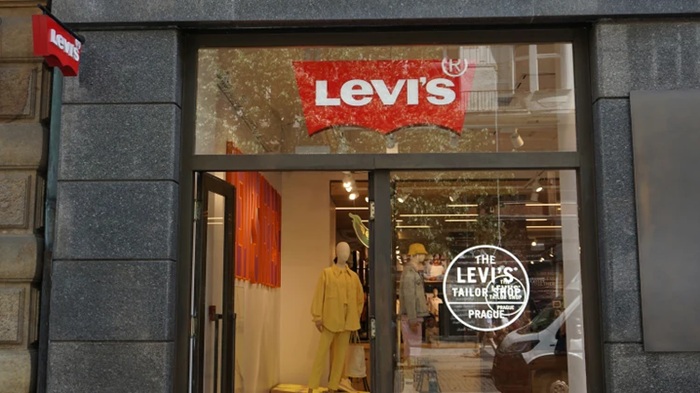
Beyond the DTC Rush: Levi’s hybrid channel strategy sets a new retail benchmark
The global apparel sector is entering a phase where channel strategy is no longer a tactical lever but a core... Read more
The New Rules of Resale: EPR turning secondhand into fashion’s strategic growth …
The global fashion industry is facing a decisive regulatory and commercial reset. What began as a sustainability narrative around reuse... Read more
The 2027 Mandate: Why denim’s future hinges on verifiable data
For decades, the global denim industry has relied on a narrative of durability, heritage, and authenticity. That narrative is now... Read more
Europe’s textile core unravels as costs, imports and policy pressure bite
Europe’s textile and apparel sector, long seen as a benchmark for craftsmanship and industrial depth, is slipping into a prolonged... Read more