The global textile landscape is undergoing a structural transition as synthetic fibers, led by polyester, strengthen their competitive advantage over natural alternatives. According to the latest OECD-FAO Agricultural Outlook 2026–2035, while cotton production is anticipated to expand at a steady rate of 1.6 per cent annually, the material remains under persistent pressure from the cost-efficiency and versatility of synthetic counterparts. Polyester fiber demand is forecast to climb from US$ 135.6 billion in 2025 to over US$ 210 billion by 2035, reinforcing its role as the backbone of modern high-volume apparel and industrial manufacturing.
Material economics and sustainability imperatives
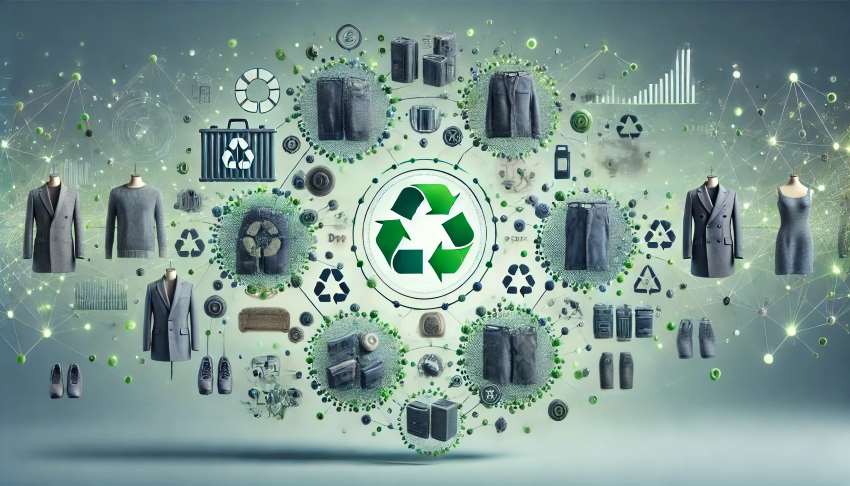
The ongoing divergence in fiber growth trajectories is largely dictated by supply-side productivity and evolving consumer preferences. Cotton prices are projected to face downward pressure in real terms due to improved yields and intensified competition from recycled and synthetic inputs. Simultaneously, the textile industry is grappling with a shift in procurement strategies; brands are increasingly prioritizing traceable, recycled polyester to meet circular economy mandates and satisfy regulatory scrutiny in key markets like Europe. As highlighted in recent market assessments, companies that successfully integrate recycled feedstock and digital traceability are securing stronger, long-term offtake agreements, effectively mitigating the risks associated with raw material price volatility.
Strategic outlook for textile producers
Manufacturers are responding to this environment by diversifying their portfolios and investing in advanced spinning and recycling technologies. While the cotton segment continues to see investment in yield-enhancing varieties and organic farming to defend its market share, the broader industry trend favors a hybrid material strategy. Large-scale textile operations are moving toward integrated supply chain models that allow them to shift capacity between natural and synthetic blends based on margin fluctuations and demand for performance-validated inputs. This shift is critical as the industry aims to balance the demand for affordable fast fashion with the increasing requirement for sustainable and durable textile solutions.
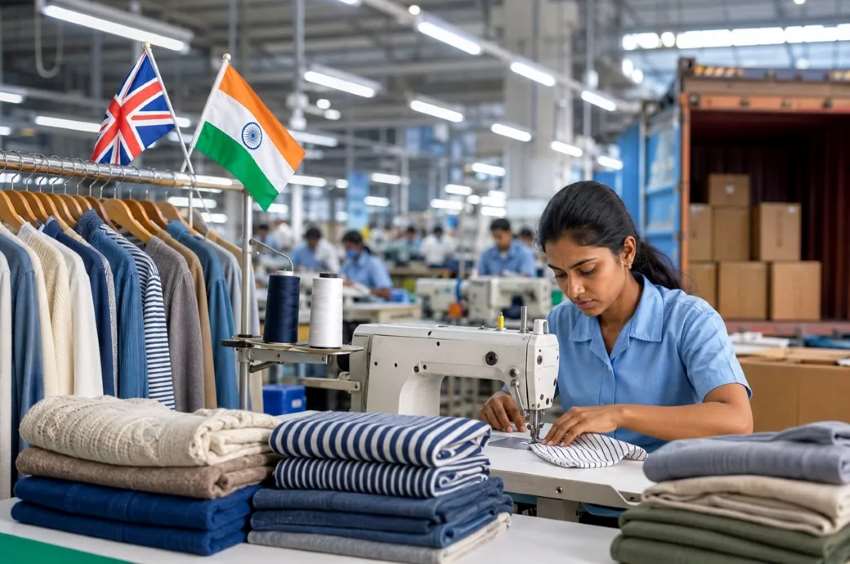
Encompassing the production of natural and synthetic fibers, the textile sector serves global apparel, home furnishing, and industrial end-markets. Growth is currently driven by Asian manufacturing hubs and expanding circular economy investments. Major players focus on integrating recycled inputs and high-performance synthetic engineering to optimize long-term operational profitability.