Bangladesh’s dominance in the European Union apparel sector is facing a severe correction, with export data for the first five months of 2026 revealing an 18.89 per cent Y-o-Y collapse to €7.28 billion. Significantly steeper than the EU’s overall import contraction, this downturn has caused Bangladesh’s market share to decline from 23.9 per cent to 21.5 per cent. While global demand is softening, industry analysts emphasize, Bangladesh is suffering a ‘dual weakness’- losing ground on both shipment volume and unit value simultaneously, a trend not mirrored by more resilient rivals like Vietnam or China.
Structural vulnerabilities and rival gains
The crisis is compounded by a lack of product diversification. While EU demand shifts to MMF sportswear and synthetic outerwear, Bangladesh’s export basket remains heavily tethered to cotton, accounting for over 70 per cent of shipments. In contrast, competitors like Vietnam have aggressively scaled MMF infrastructure, allowing them to capture higher-value segments.
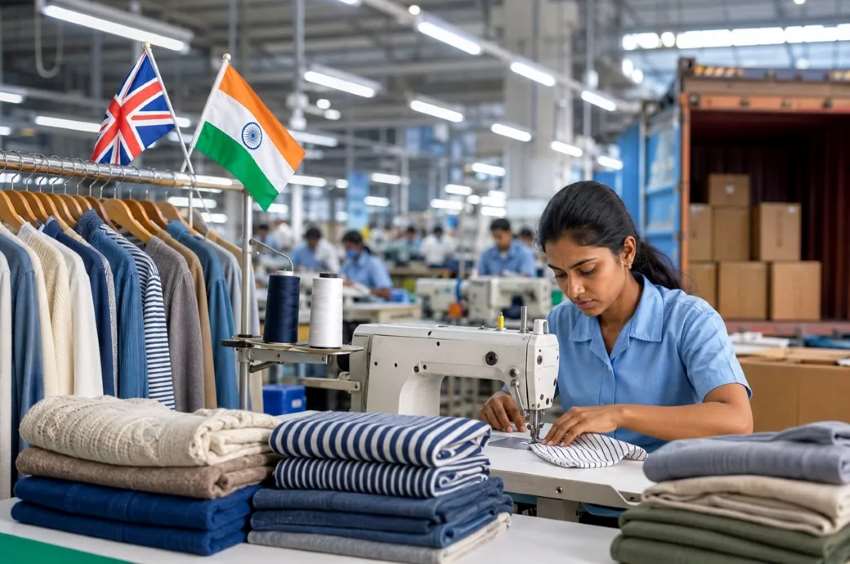
Furthermore, buyers are preemptively shifting orders toward India and other regions ahead of Bangladesh’s anticipated graduation from Least Developed Country (LDC) status. Buyers are building sourcing capacity in India, anticipating the potential loss of preferential duty-free access, noted Mohammad Hatem, President, Bangladesh Knitwear Manufacturers and Exporters Association. Domestic headwinds including energy shortages, high borrowing costs, and rising production expenses are further eroding the price competitiveness that once defined the nation’s export appeal.
Bangladesh is a global leader in readymade garment (RMG) manufacturing, primarily exporting knitwear and woven items to the EU and US. While the sector has historically relied on low-cost cotton production and preferential trade tariffs, it now faces urgent pressure to diversify into synthetic fibers and improve energy sustainability.