India has decided not to levy an anti-dumping duty on Monoethylene Glycol (MEG).
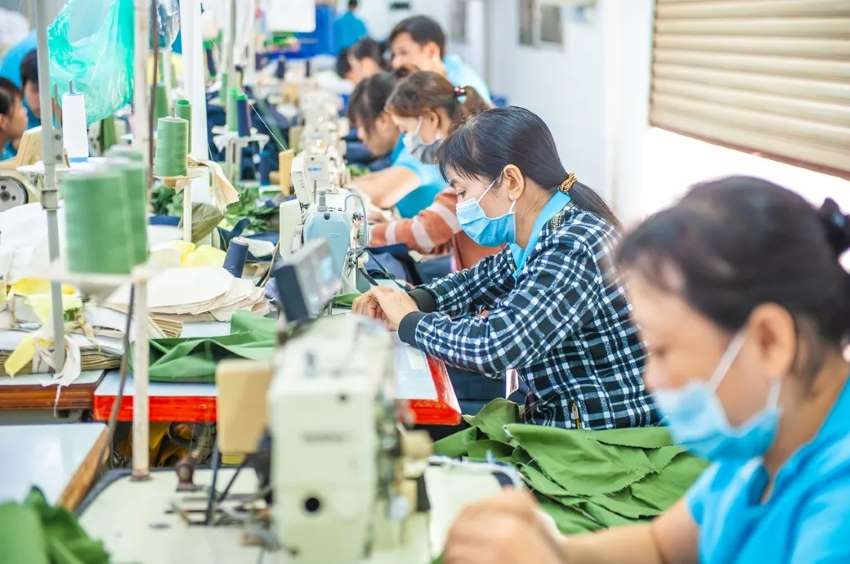
MEG is a major raw material used for the manufacture of polyester staple fiber. The Southern India Mills Association (SIMA) has welcomed the decision since adequate availability of polyester staple fiber at an internationally competitive rate would fuel the growth of technical textiles. This, SIMA says, is necessary as with the cotton shortage, several hundreds of spinning mills, weaving mills, knitting and garment capacities in India are switching over to polyester textile clothing manufacturing. So the decision sustains the financial viability of these segments apart from protecting the jobs of several lakhs of people.
The Production Linked Incentive Scheme encourages large scale investment in the manmade fiber segment.Globally, the ratio of consumption of manmade textile fiber and cotton is 65:35. In India it is the opposite. India’s major growth of textiles is expected to come from manmade fiber industry. Once a stage is reached where the entire demand is fulfilled by domestic supply, raw material can be made available to lakhs of weavers involved in the polyester value chain, thereby leading to enhanced production of finished goods, enabling realization of the export targets. Expansion of production capacity of key raw materials for manufacturing of polyester viz Purified Terephthalic Acid and Monoethylene Glycol is essential for increased production of the downstream industry.