Pakistan’s textile industry is faced with countless opportunities to capture a greater market share, but state reforms in energy, technological upgradation, diversification and value addition will be necessary in order to enhance the potential of the sector and facilitate economic growth.
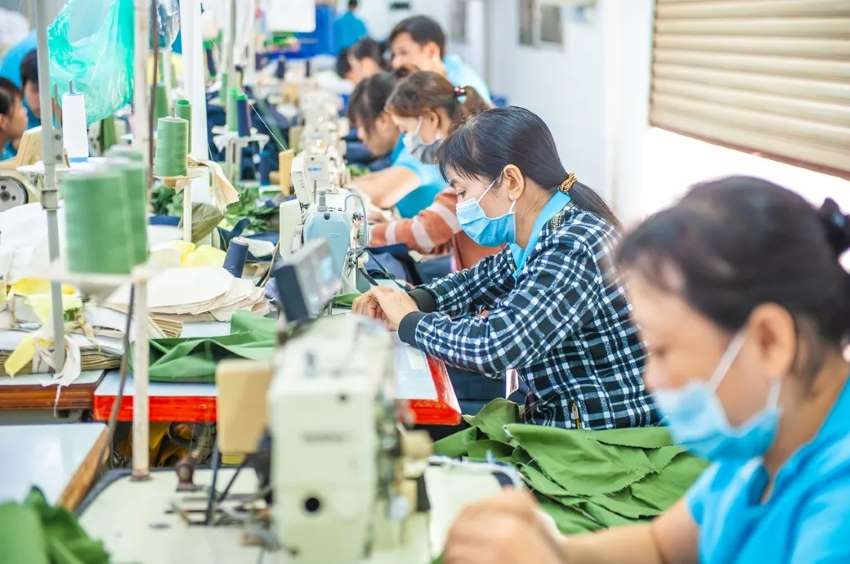
Pakistan’s exporters handled disruptions such as the Covid pandemic very well especially in comparison to regional competitor Bangladesh.To maintain the current momentum, the textile sector has committed to unprecedented value addition by committing to setting up 1000 garment plants. Each plant will consist of 500 stitching machines able to produce garments for exports of $20 million per annum while generating employment for 700 workers.
In order to grow at scale and achieve its target of $50 billion in exports over the next four years, the textile sector requires an adequate supply of energy at regionally competitive tariffs, availability of working capital, 500 new entrepreneurs and a debt-equity ratio of 80:20 which includes building and infrastructure as 50 per cent of the cost of garment factories is on these.
The readymade garment industry has emerged as one of the most important small-scale industries in Pakistan, with sizeable demand both at home and abroad. Pakistan is the fourth largest producer and the third largest consumer of cotton worldwide.