The Regional Comprehensive Economic Partnership (RCEP) can raise Cambodia’s exports between nine percent and 18 percent annually. So says the Economic Research Institute for Asean and East Asia.
Progressive market-based reforms in Cambodia in both manufacturing and services have been successful in lifting the country closer to the next stage of growth. But the country has to maintain progressive market-based reforms in the post-pandemic recovery for deeper regional integration with the framework provided by RCEP.
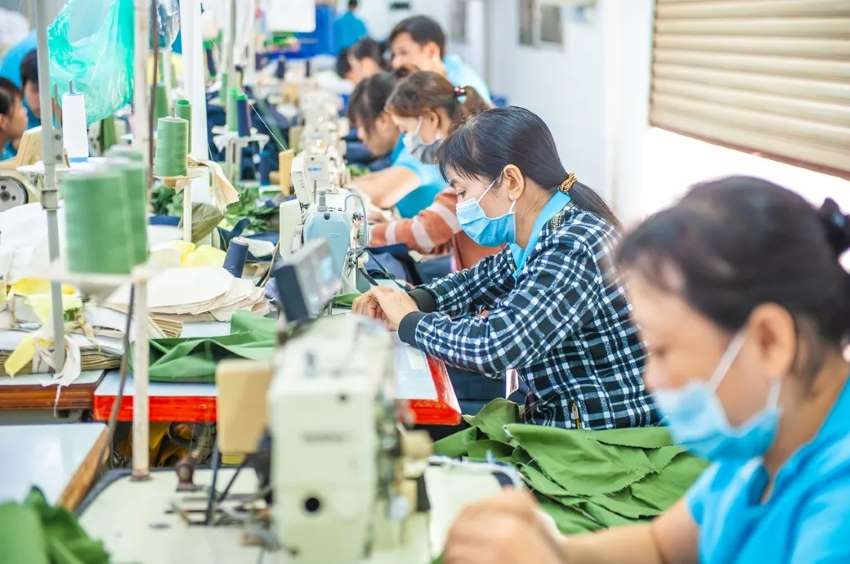
The structural transformation of the Cambodian economy is critical to shift and position its manufacturing activities to higher value-added activities in the global production value-chain (GVC). Currently, the manufacturing sector is not diversified and concentrated on garment and textiles but the overall manufacturing activities are showing signs of shifting to higher value-added activities such as parts and components and transport. Shifting the labour-intensive activities from Phnom Penh to other competitive regions in Cambodia that can absorb such industries will increase the competitiveness of each province based on their respective comparative advantages. China, Korea, and Japan offer a larger opportunity for Cambodia’s exports. There is also a need to increase the competitiveness and linkages of Special Economic Zones to GVC activities to attract multinational activities in these industries.