An increase in import tariffs has contributed to a rise in the cost of raw materials for textile companies in Pakistan.
High tariff rates lead to higher manufacturing costs. As a consequence, the prices of finished products increase, causing a decline in exports.Pakistan’s textile exports of textile products in the fiscal year 2021 hit a record high on an annual basis.
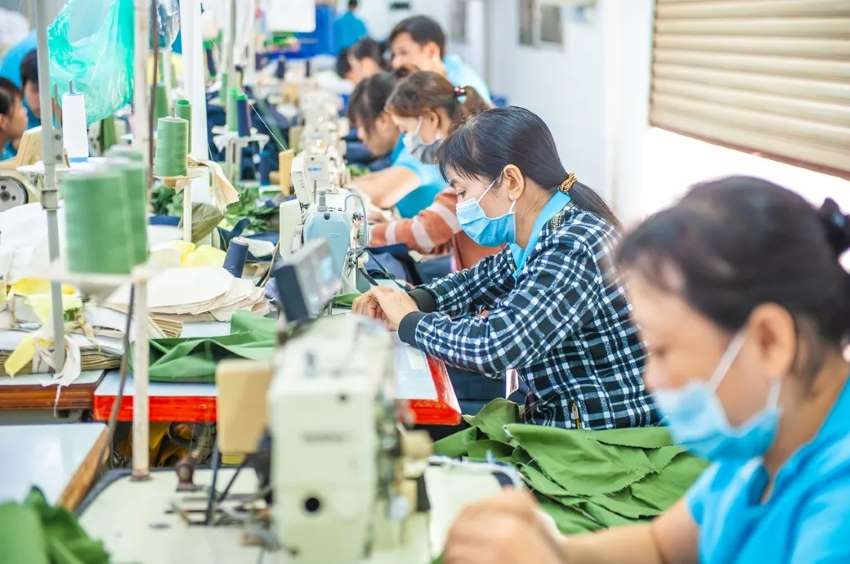
However, the exports dropped by 18 percent in November 2022 compared to the corresponding period last year. The textile industry is the backbone of Pakistan’s economy and is the largest manufacturing sector employing almost 38 per cent of the workforce. Textiles have a lion’s share of Pakisan’s exports and a drop in exports is bound to impact the economy. In addition the industry’s production system needs to be upgraded. The manufacturing equipment is not sophisticated and this hampers the level of production.
The drop in textile exports is a cause for Pakistan to worry since in the end it will result in unemployment and increased pressure on foreign exchange reserves.An effective approach to lessen the negative effects of the declining textile exports is to raise the productivity of the manufacturing sector, and lower the cost of the finished products by investing in new technology for the textile industry. This will make the country’s products more competitive in the world market.