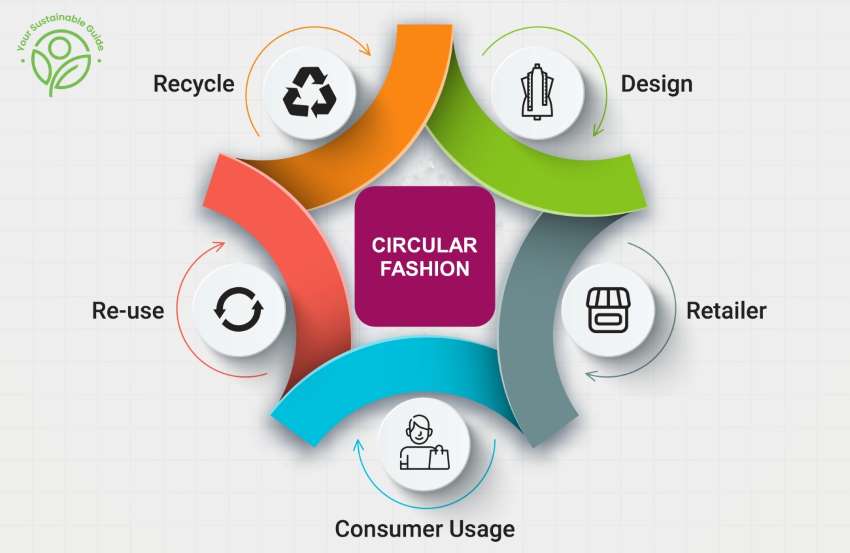
The home textile industry is giving importance to sustainability. Textile sustainability encompasses many factors including responsible chemical and natural resource use and respect for workers and communities. Textile sustainability also includes safe and environmentally effective production practices and products that are free from harmful levels of dangerous substances.
There is a comprehensive portfolio of testing and certification programs that help home textile companies attain all those standards. Science-based testing and certification can help defend and build brand equity in a risky global market place.
Consumers want to know that their products are made responsibly with respect for people and the environment. Consumers are demanding sustainability in their apparel and home textiles will not be far behind. There is a high level of consumer interest in and demand for sustainable products.
People also want to know that the products they buy are safe for their families to use and in order for manufacturers to meet those demands they have to know every detail about the production process. Third party testing and certification can take away much of the uncertainty inherent in a complex supply chain and help ensure that products and facilities live up to expected standards.
- 1
- 2
- 3
- 4
- 5
- 6
- 7
- 8
- 9
- 10
Luxury in Retreat: Why the aspirational consumer is gone for good
The global luxury industry is confronting an unprecedented situation. The active consumer base, which peaked at 400 million in 2022,... Read more
The Invisible Bleed: How a single chemical is slowing India’s apparel machine
The global fashion industry has spent the better part of the past two years obsessing over visible disruptions viz. volatile... Read more
The Closet Paradox: How ‘nothing to wear’ is driving global overconsumption
In an era of overflowing wardrobes and instant fashion gratification, a striking paradox has emerged: the more clothes we own,... Read more
US trade rulings and labor slowdown reshape 2026 cotton supply chains
The global cotton industry is entering a period of adjustment, shaped by legal rulings, trade policy recalibrations, and a softening... Read more
Zero-tariff paradigm drives strategic re-sourcing at Global Sourcing Expo 2026
Projected to reach a valuation of $30.3 billion this year, the Australian textile and apparel market is entering a period... Read more
Strategic manufacturing takes center stage at Gartex Texprocess Mumbai 2026
A $179 billion industrial cornerstone contributing 2 per cent to the national GDP, the Indian textile and apparel sector is... Read more
The Hidden Tax on Fashion: 2026’s EPR rules squeeze margins and shake supply cha…
As the 2026 enforcement deadlines for California’s SB 707 and the European Union’s harmonized Waste Framework Directive loom, the global... Read more
Guess? Inc. retreats from China as American cool hits a cultural wall
For more than two decades, Guess? Inc., the emblem of ‘accessible American cool’, maintained an ambitious footprint in China. At... Read more
The Hormuz Effect: Why a distant war is shaking Bangladesh’s garment exports
The immediate impact of the Iran- Isarel-US conflict is being felt in the logistics arteries that connect Bangladesh’s factories with... Read more
The rise of localized luxury, MEA, North America, and India lead growth
The global luxury industry is no longer defined by relentless expansion. The ‘2025 Global Luxury Brandwatch Report’ highlights a sector... Read more