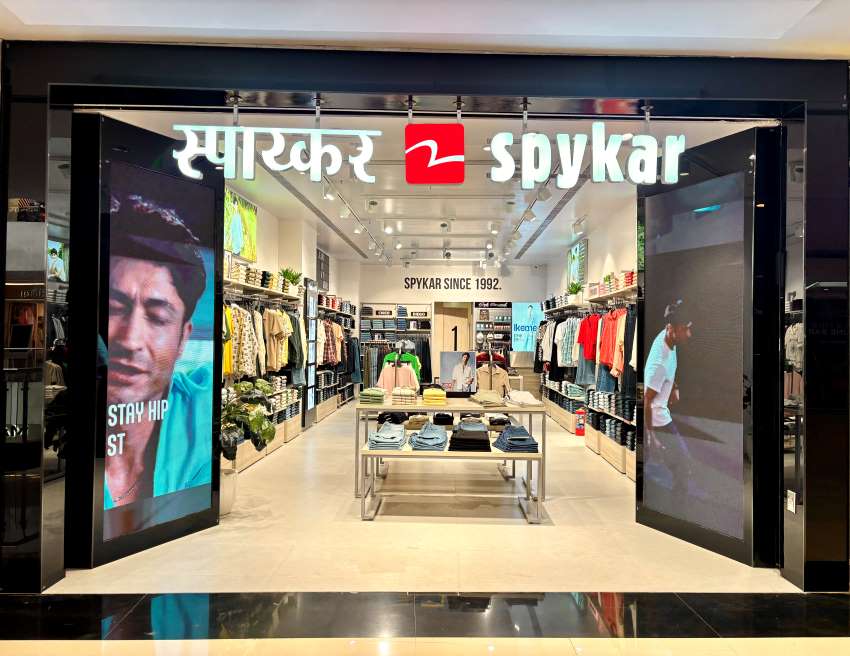
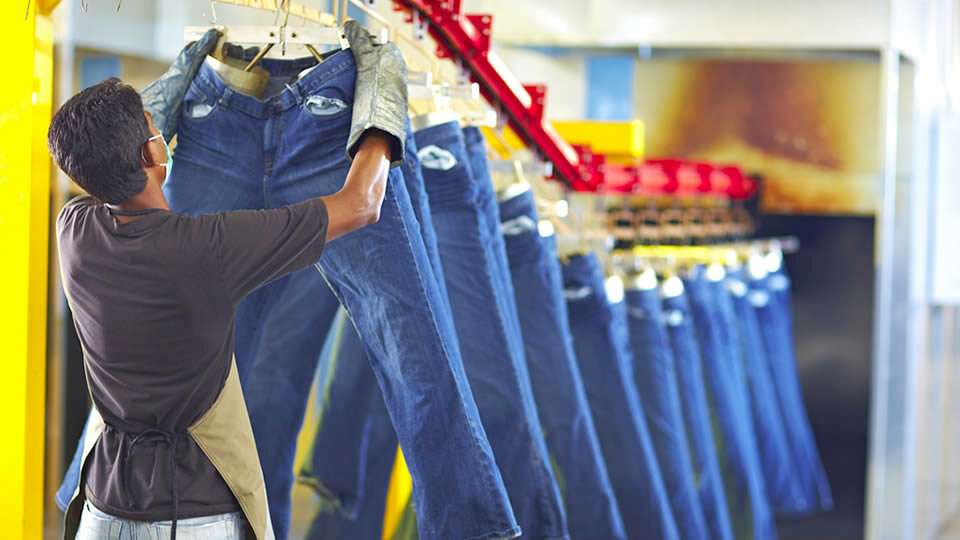
Nonactive casual clothing represents more than half of the US fashion industry’s sales. This category includes casual pants, polo shirts and blazers. It does not include active wear, outerwear, tailored apparel and underwear. Casual is becoming more specialized. Casual styles have embraced fabrics that formerly were the sole domain of active wear, such as antimicrobial and wicking fabrics. Other features in demand include stain-resistant and wrinkle-resistant clothes.
Fashion’s future depends on casual clothing. But today’s casual fashion is different from what was once referred to as sportswear in the American fashion industry. Along with casual, comfort is a major concern for consumers. The definition of everyday apparel has no clear boundaries. Specialty stores take up 29 per cent of the American casual wear business. Department stores make up 15 per cent of the market and off-price retailers make up 14 per cent. Growth in casual wear market is expected to come from off-price and manufacturer-owned/direct-to-consumer stores. In the 12 months ending May 2019, total US sales of sweats and active bottoms, including adults’ and children’s products, grew eight per cent and sleepwear sales increased two per cent. Sweats, swimwear, dresses and sleepwear are expected to drive fashion-industry growth.
- 1
- 2
- 3
- 4
- 5
- 6
- 7
- 8
- 9
- 10
Beyond the DTC Rush: Levi’s hybrid channel strategy sets a new retail benchmark
The global apparel sector is entering a phase where channel strategy is no longer a tactical lever but a core... Read more
The New Rules of Resale: EPR turning secondhand into fashion’s strategic growth …
The global fashion industry is facing a decisive regulatory and commercial reset. What began as a sustainability narrative around reuse... Read more
The 2027 Mandate: Why denim’s future hinges on verifiable data
For decades, the global denim industry has relied on a narrative of durability, heritage, and authenticity. That narrative is now... Read more
Europe’s textile core unravels as costs, imports and policy pressure bite
Europe’s textile and apparel sector, long seen as a benchmark for craftsmanship and industrial depth, is slipping into a prolonged... Read more
Automation, innovation, regulation are the forces shaping textiles in 2026
The global textile sector has entered a new era. Early 2026 saw the industry breach a $1.06 trillion valuation, reflecting... Read more
The new Brussels rulebook, every EU apparel order is now a balance-sheet risk
The humble export order sheet is undergoing a transformation. What was once a straightforward commercial instrument: SKU, volume, FOB price,... Read more
Why 2026-27 could be a defining cotton year for India’s farm-to-fashion economy
The global cotton economy is entering a more constrained phase, and for India, the implications run far beyond the farm... Read more
Luxury resale’s next big battle is no longer digital, it is about who controls s…
For nearly a decade, the luxury resale story was written in the language of platforms. Market leadership was measured by... Read more
Digital Arms Race: Indian apparel giants deploy AI to neutralize tariff crisis
The Indian textile and apparel sector is in a digital survival phase in 2026, shifting from traditional labor-intensive models to... Read more
Europe’s Textile Endgame: Why Project FAE is becoming fashion’s most critical in…
Europe’s apparel majors are no longer treating circularity as a branding layer. With Project FAE or Feedstock Activation Europe, the... Read more