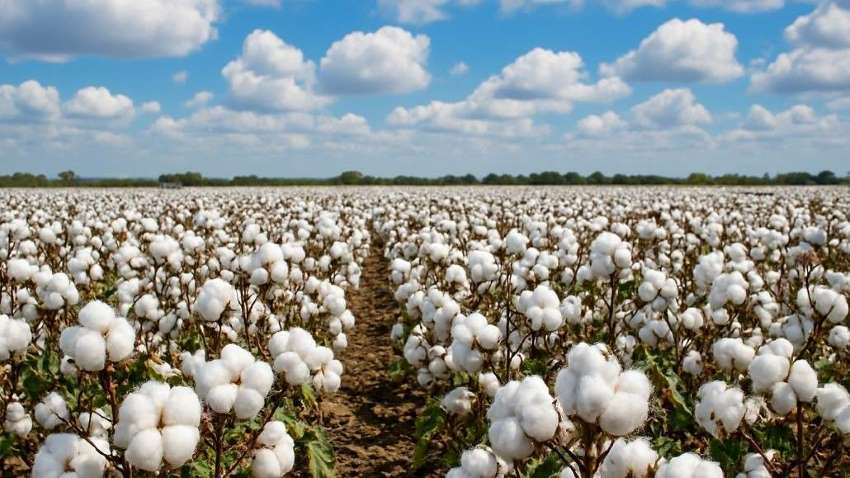
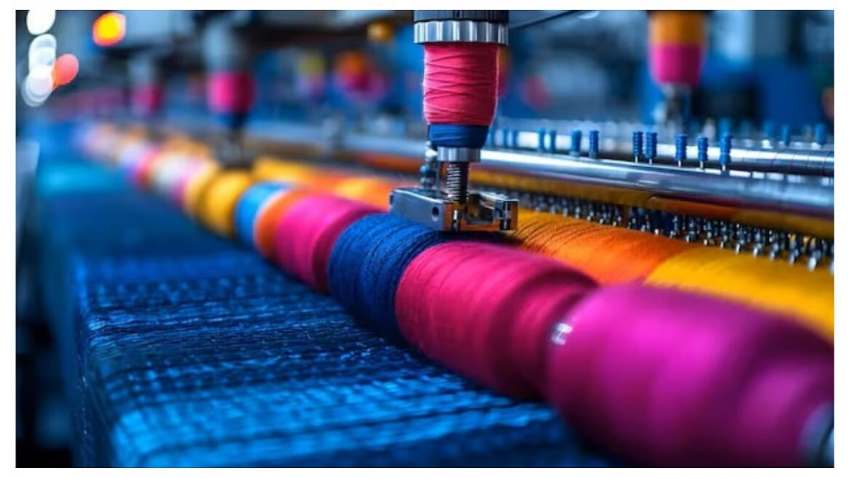
In Nigeria, textile manufacturing is a key local industry, supported by a chain of suppliers such as cotton growers and natural dye makers. However, traditional methods of dyeing fabrics are threatened by cheap imports from abroad. Nigerians have a love of naturally dyed fabrics with many prints based on traditional motifs. In northern regions, it is common for cloth to be a single color, such as indigo. Dyers use dye-pits (two or three meters deep). The cloth is left in these for a day or two, before being rinsed and left to dry. Sometimes, indigo cloth is beaten and given an extra coating of indigo powder to give a deeper shade and a glossy shine or sheen.
Nigeria's textile industry used to be the third largest in Africa. But now the country spends about 100 billion naira annually on importing clothing materials. If half of this could be made locally, the drain of foreign exchange could be stopped. Jobs could be created. Buying home made goods can stimulate the domestic economy.
Leadership failed to sustain the manufacturing and textile industries when the country discovered oil. A return to agriculture and manufacturing could enable Nigeria come out of recession. Once industries are back, Nigeria could be not just an investment destination but also a job destination.

- 1
- 2
- 3
- 4
- 5
- 6
- 7
- 8
- 9
- 10
Apparel’s inflation premium in the US signals a tough road for retailers
The latest inflation data from the U.S. Bureau of Labor Statistics has conveyed an important warning for the fashion and... Read more
The Alchemy of Adornment: Decoding the ‘Runway Trends’ and ‘Sartorial Shifts’ of…
As the global luxury sector navigates shifting economic currents, Milan continues to solidify its role as the definitive compass for... Read more
Engineered to Perform: How bio-based textiles are rewiring the $1.15 trillion at…
The global athleisure industry is entering a reset as the next phase of competition shifts from celebrity endorsements and logo... Read more
China’s inward turn, domestic demand is rewriting the export model
China is undergoing one of its most consequential economic recalibrations in decades, driven by geopolitical instability, rising Western protectionism, and... Read more
Why Shein sees itself as a technology company, not a fashion brand
The modern fashion industry has traditionally been defined by creativity, merchandising expertise and global sourcing networks. Yet few companies have... Read more
India’s textile sector turns crisis into competitive advantage
India’s textile and apparel industry has emerged from one of the most turbulent periods in its recent history, transforming a... Read more
India’s Export Divide: Textile mills advance, apparel makers face global headwin…
India’s textile and apparel (T&A) sector entered FY2027 with a striking internal contradiction. While the country’s overall merchandise exports increased... Read more
China’s inward turn, domestic demand is rewriting the export model
China is undergoing one of its most consequential economic recalibrations in decades, driven by geopolitical instability, rising Western protectionism, and... Read more
Egypt bets on a $2 bn green textile city to become Europe’s next sourcing hub
Egypt is making a decisive play to become one of the world's most important apparel manufacturing destinations after securing a... Read more
EU textile imports hit $295.66 bn as price wars mask manufacturing stress
The European Union’s textile and apparel imports grew to $295.66 billion in 2025, a 9.4 per cent year-on-year increase from... Read more