New York is currently the world’s best city for conventional retailers. Los Angeles takes the runner-up spot, while Singapore completes the podium at the third place. New York offers an ideal location based on its socio-economic, demographic and political factors, as well as its tourist appeal and the quality of its infrastructure.
Demographics, the economy, politics, the socio-economic landscape, tourism, retail, fashion and trendiness represent the eight major areas analysed to give a score to these urban areas, underpinned by criteria such as population, wealth, GDP growth, minimum wage, tax barriers, airport passenger traffic, tourist figures and the entrepreneurial climate.
The ranking has been done by Hot Retail Cities whose mission is to help fashion companies better understand where they operate and where they can set up shop going forward. The report provides an analysis detailing the retail conditions in 100 cities around the globe. Based on these characteristics, the report measures each city’s degree of merit for conventional retailers.
The hope is that this tool, which offers great insight into all aspects and trends to identify the hottest retail cities, will become a key driver over time to optimise each city’s retailing conditions.
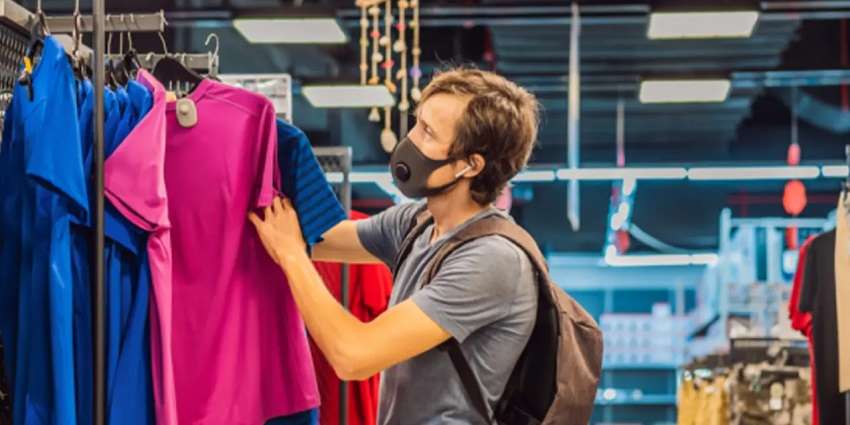
Retailers are faced with the challenge of serving a global market with local tastes. Their success in ultimately establishing a footprint within a certain market will depend on how well they analyse the local landscape.
- 1
- 2
- 3
- 4
- 5
- 6
- 7
- 8
- 9
- 10
Britain’s Forgotten Growth Engine: Why policy gaps are undermining fashion and t…
Britain’s fashion and textile industry, often framed through the lens of creativity and design, is emerging as a case study... Read more
Beyond price rallies structural reform can strengthen India’s cotton economy
India’s cotton economy is entering a decisive phase, where firmer prices and tighter arrivals in the 2026-27 season have given... Read more
Polyester volatility redraws India’s textile industry competitive map across Asi…
India’s synthetic textile industry has entered a phase of cost instability as polyester staple fibre (PSF) prices rise across domestic... Read more
The £7 Billion Question: Who pays for fashion’s ‘free rental’ habit?
The global fashion industry is facing an uncomfortable paradox: its most valuable customers may also be its most destructive. A... Read more
India, China Bangladesh face fresh headwinds as global apparel markets rebalance
Global apparel trade is entering a more uneven recovery phase, with demand growth persisting but losing uniform momentum across major... Read more
Global cotton enters a deficit year in 2026 as supply drop meets logistics risk
The global cotton economy has entered a fragile and sensitive phase. Early projections for the 2026-27 season suggest that world... Read more
India’s textile trade gets a Pacific push as New Zealand FTA removes tariff barr…
India and New Zealand have inked a ‘once-in-a-generation’ Free Trade Agreement (FTA), one that will have a profound impact on... Read more
Lululemon’s world-first nylon circularity push signals a new apparel arms race
The global apparel industry’s circularity narrative is entering a more technically demanding phase. Polyester recycling once the flagship of sustainable... Read more
Beyond the DTC Rush: Levi’s hybrid channel strategy sets a new retail benchmark
The global apparel sector is entering a phase where channel strategy is no longer a tactical lever but a core... Read more
The New Rules of Resale: EPR turning secondhand into fashion’s strategic growth …
The global fashion industry is facing a decisive regulatory and commercial reset. What began as a sustainability narrative around reuse... Read more