Denim is getting to be one part rebellious teen and one part sensible dad. Wacky denim trend is not about to implode anytime soon, feel Denim Dudes founder Amy Leverton and contributor Sam Trotman. New factors like the emerging weed industry in the United States and nostalgia for Y2K are adding their own unique flavor to the table.
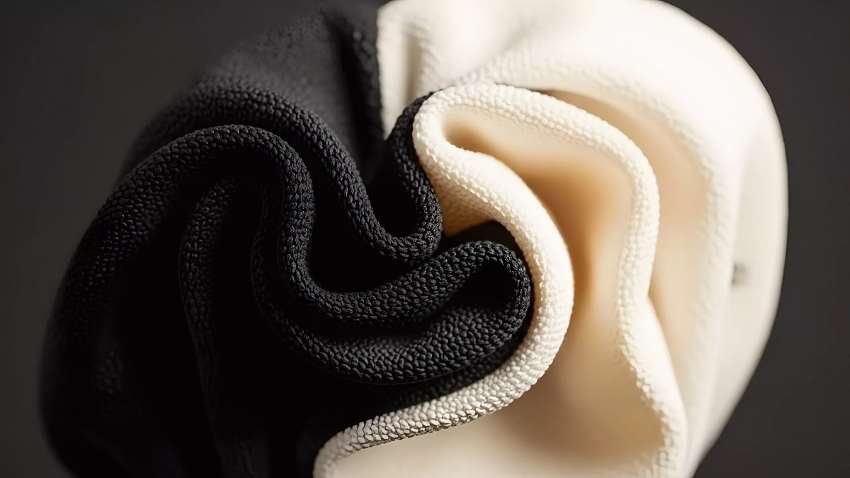
Sharing their Spring/Summer 2020 vision at Kingpins Amsterdam the duo said denim is oversized and layered with technical fabrics and silhouettes from the athleisure world. Practical zips and pockets, coatings and super-light-weight fabrics like nylon are among the key ingredients. Camouflage and ikat prints offer an outdoor feel. Brands can recreate these dye effects through laser printing for a more sustainable solution. The story’s color palette—soft indigos, natural indigos and natural vegetable shades—are well-suited for brands’ eco stories as well.
The overall earthy feel is enhanced with up cycled fabric remnants, Baja surfaces, textured weaves, patchwork leather, homespun quilting and deadstock fabrics. Frayed and undone finishes give a lived-in feel to new pieces. Based on last season’s Millennium Blues story, Leverton explained Ironic Oughties as the more ironic and cheesy offshoot that’s being led by youth-driven brands.
The story’s holistic side is expressed through the use of natural fibers and yarns, slow-made fashion and boutique dressing, while upsized silhouettes, refined fabrics, high-end finishing, soft layers and unstructured looks encapsulate the theme’s utility-meets-lounge styling. Draping, off-the-shoulder and conceptual cutouts elevate denim. Workwear details and A-line silhouettes add structure. Oversized twills, linen, summer blanket materials with a handloom look, feminine quilting and patchwork jacquard add texture and visual interest.

- 1
- 2
- 3
- 4
- 5
- 6
- 7
- 8
- 9
- 10
India-UK CETA: Tariff-free UK access puts India's textile sector on growth track
India's textile and apparel industry is ready for one of its biggest export opportunities in decades as the India-UK Comprehensive... Read more
AI tailoring gains momentum as custom suits transforms premium apparel retail
Technology is reshaping one of fashion's oldest categories menswear. AI, digital body scanning and automated manufacturing are replacing conventional tailoring... Read more
Can trade deals and manufacturing reforms deliver India's textile vision?
India's textile and apparel industry has entered one of its strongest revival phases after several difficult years marked by pandemic... Read more
Women’s wear power global apparel growth as big brands rework retail strategies
For years, the world's largest apparel companies built their businesses around men's denim, workwear and outdoor clothing. That strategy is... Read more
The End of Fibre Blends: Why retailers are moving toward 100% recyclable apparel
The apparel industry is entering a redesign phase as sustainability goals, regulatory pressures, and resource security unite around one central... Read more
Recycled polyester’s next growth phase will be driven by data, not fiber
For much of the last decade, recycled polyester was one of the easiest sustainability wins available to brands. Replacing virgin... Read more
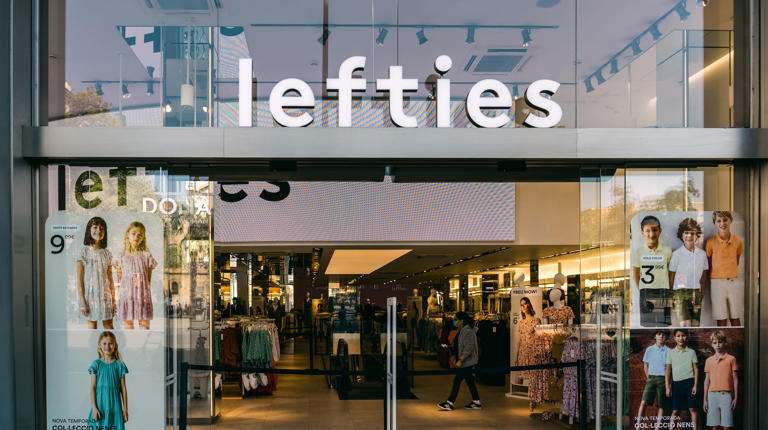
Lefties becomes Inditex's new weapon against Primark and Shein
While much of the global apparel industry has focused on the rapid rise of digital-first retailers such as Shein and... Read more
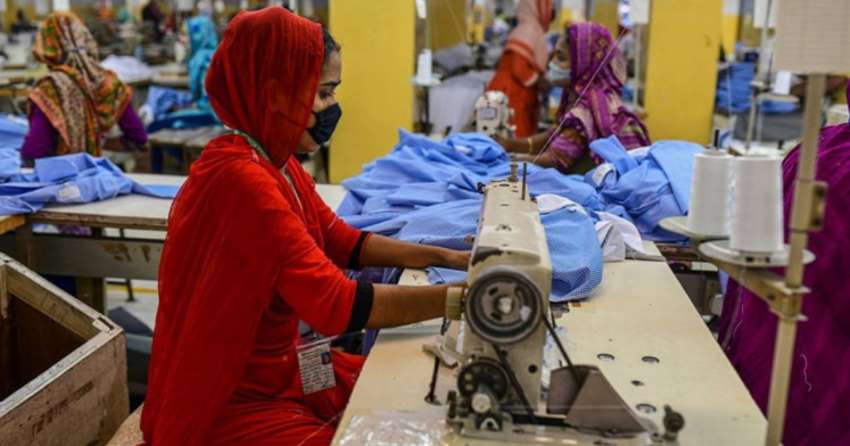
Bangladesh’s apparel export model hits a breaking point as price wars reduce mar…
Bangladesh's apparel industry, long regarded as the world's manufacturing hub for affordable, high-volume garments, is facing one of its most... Read more
EU textile labeling crackdown exposes apparel supply chain compliance risks
The European apparel industry is facing a major compliance challenge after a coordinated market surveillance exercise by the European Commission... Read more
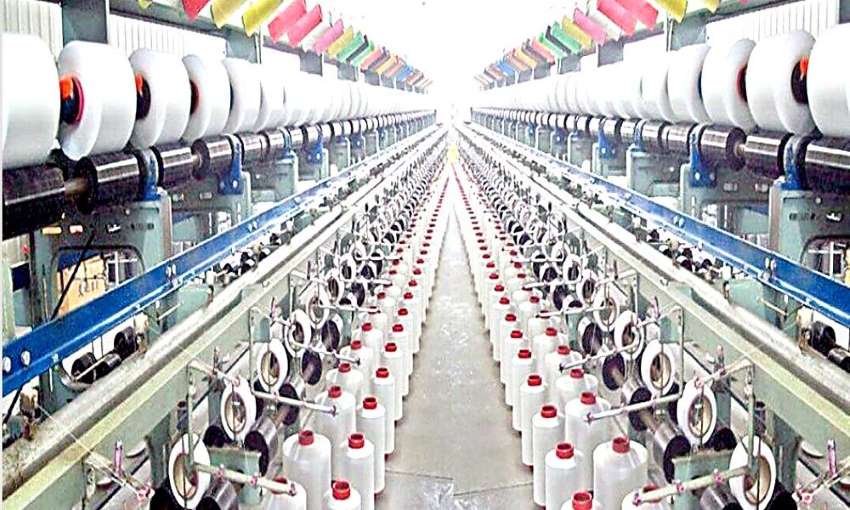
Can Surat overcome raw material volatility to become a global MMF hub?
Surat remains the undisputed heart of India's man-made fibre (MMF) textile industry. The Gujarat cluster produces nearly 65 per cent... Read more