After being accustomed to middle-aged buyers for long, sellers of luxury goods are turning their attention to younger buyers. The surge of millennial buyers in the age group 20 to 34 is transforming the traditional demography at shopping malls. Their increasing incomes and family financial support allow the young to shift from fast fashion to posh clothing and accessories.
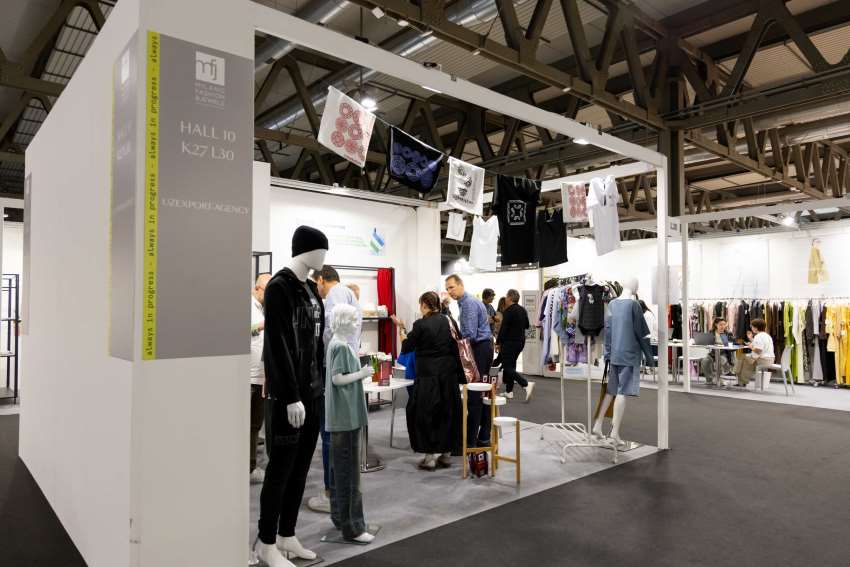
By 2025, millennials and the Generation Z (people born after 1996) are expected to consume 45 per cent of luxury fashion sold globally. Millennials account for a big proportion of purchases of high-end brands. Traditional outlets have undergone a makeover to make them millennial-friendly. They are incorporating a café look. The selfie generation has a check-in area specifically meant for taking photos. Stores have their own signature color, with red being a symbol of fortune and light blue and pastel pink representing youth.
All these are meant to help young buyers feel more comfortable. Since young people are their main customers, luxury brands employ young people in managerial positions. Watches are a favorite item, especially for online shoppers. Instead of thin leather straps in classic yellow and brown tones, they come with pastel straps and large faces with imprints of paintings.
- 1
- 2
- 3
- 4
- 5
- 6
- 7
- 8
- 9
- 10
Britain’s Forgotten Growth Engine: Why policy gaps are undermining fashion and t…
Britain’s fashion and textile industry, often framed through the lens of creativity and design, is emerging as a case study... Read more
Beyond price rallies structural reform can strengthen India’s cotton economy
India’s cotton economy is entering a decisive phase, where firmer prices and tighter arrivals in the 2026-27 season have given... Read more
Polyester volatility redraws India’s textile industry competitive map across Asi…
India’s synthetic textile industry has entered a phase of cost instability as polyester staple fibre (PSF) prices rise across domestic... Read more
The £7 Billion Question: Who pays for fashion’s ‘free rental’ habit?
The global fashion industry is facing an uncomfortable paradox: its most valuable customers may also be its most destructive. A... Read more
India, China Bangladesh face fresh headwinds as global apparel markets rebalance
Global apparel trade is entering a more uneven recovery phase, with demand growth persisting but losing uniform momentum across major... Read more
Global cotton enters a deficit year in 2026 as supply drop meets logistics risk
The global cotton economy has entered a fragile and sensitive phase. Early projections for the 2026-27 season suggest that world... Read more
India’s textile trade gets a Pacific push as New Zealand FTA removes tariff barr…
India and New Zealand have inked a ‘once-in-a-generation’ Free Trade Agreement (FTA), one that will have a profound impact on... Read more
Lululemon’s world-first nylon circularity push signals a new apparel arms race
The global apparel industry’s circularity narrative is entering a more technically demanding phase. Polyester recycling once the flagship of sustainable... Read more
Beyond the DTC Rush: Levi’s hybrid channel strategy sets a new retail benchmark
The global apparel sector is entering a phase where channel strategy is no longer a tactical lever but a core... Read more
The New Rules of Resale: EPR turning secondhand into fashion’s strategic growth …
The global fashion industry is facing a decisive regulatory and commercial reset. What began as a sustainability narrative around reuse... Read more