Maharashtra’s textile policy offers a primary capital subsidy of 25 to 40 per cent across the value chain. There are area-wise and sector-specific incentives, such as ten per cent additional subsidy and lower electricity rates for setting up units across under-developed regions.
Apart from the conventional textile business, the policy also offers incentives for pollution-free and eco-friendly dyeing and processing plants. Non-conventional yarn like bamboo, banana, ghaypat, ambadi, coir and maize has also been identified for incentives to make yarn. The policy has also offered to set up a textile university and a Textile Development Fund with an initial corpus of Rs 300 crores to Rs 400 crores.
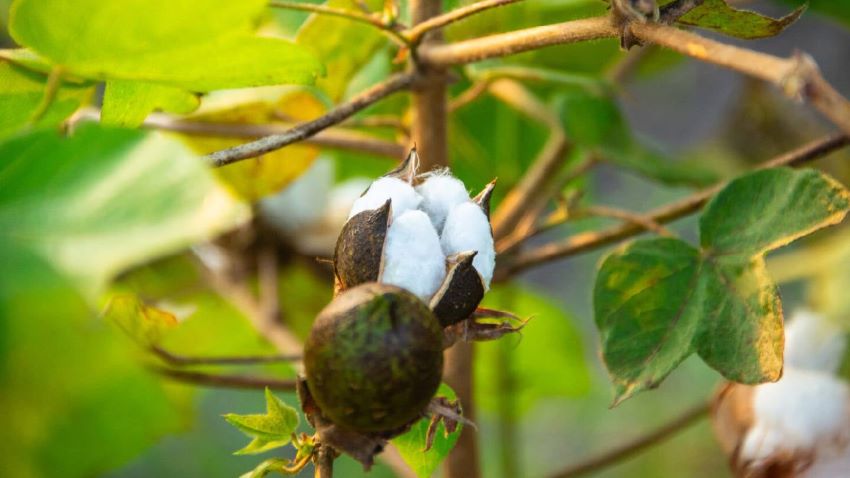
Maharashtra will set up nine textile parks in the northern cotton-growing regions of the state. The aim is to supplement farmers’ income through value-added products. Value addition -- from produce to fiber to fabric to fashion – is expected to help farmers get a good price for cotton.
The state has reserved 93 hectares of land in Yavatmal district for setting up a textile park. The park would ensure large scale employment to the youths of the region besides providing better avenues for farmers to garner the maximum benefit. Basic infrastructure including supply of energy, water and provision for sewerage water treatment plant at the site would be provided.
- 1
- 2
- 3
- 4
- 5
- 6
- 7
- 8
- 9
- 10
The £7 Billion Question: Who pays for fashion’s ‘free rental’ habit?
The global fashion industry is facing an uncomfortable paradox: its most valuable customers may also be its most destructive. A... Read more
India, China Bangladesh face fresh headwinds as global apparel markets rebalance
Global apparel trade is entering a more uneven recovery phase, with demand growth persisting but losing uniform momentum across major... Read more
Global cotton enters a deficit year in 2026 as supply drop meets logistics risk
The global cotton economy has entered a fragile and sensitive phase. Early projections for the 2026-27 season suggest that world... Read more
India’s textile trade gets a Pacific push as New Zealand FTA removes tariff barr…
India and New Zealand have inked a ‘once-in-a-generation’ Free Trade Agreement (FTA), one that will have a profound impact on... Read more
Lululemon’s world-first nylon circularity push signals a new apparel arms race
The global apparel industry’s circularity narrative is entering a more technically demanding phase. Polyester recycling once the flagship of sustainable... Read more
Beyond the DTC Rush: Levi’s hybrid channel strategy sets a new retail benchmark
The global apparel sector is entering a phase where channel strategy is no longer a tactical lever but a core... Read more
The New Rules of Resale: EPR turning secondhand into fashion’s strategic growth …
The global fashion industry is facing a decisive regulatory and commercial reset. What began as a sustainability narrative around reuse... Read more
The 2027 Mandate: Why denim’s future hinges on verifiable data
For decades, the global denim industry has relied on a narrative of durability, heritage, and authenticity. That narrative is now... Read more
Europe’s textile core unravels as costs, imports and policy pressure bite
Europe’s textile and apparel sector, long seen as a benchmark for craftsmanship and industrial depth, is slipping into a prolonged... Read more
Automation, innovation, regulation are the forces shaping textiles in 2026
The global textile sector has entered a new era. Early 2026 saw the industry breach a $1.06 trillion valuation, reflecting... Read more