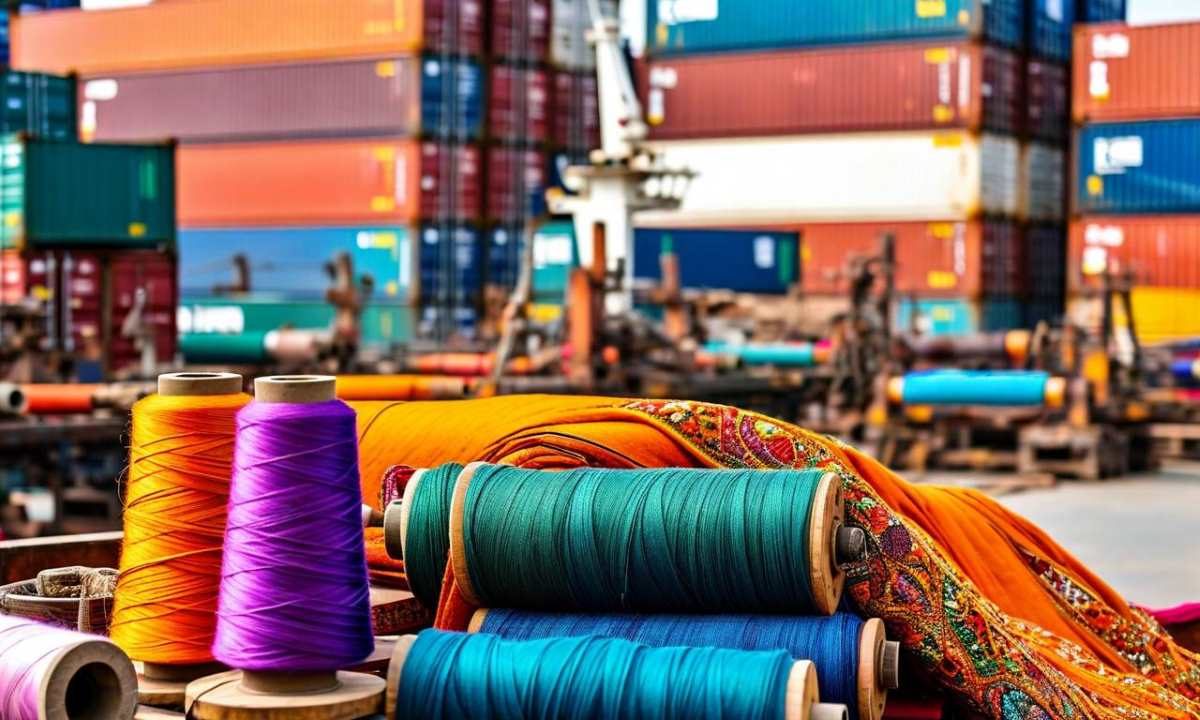
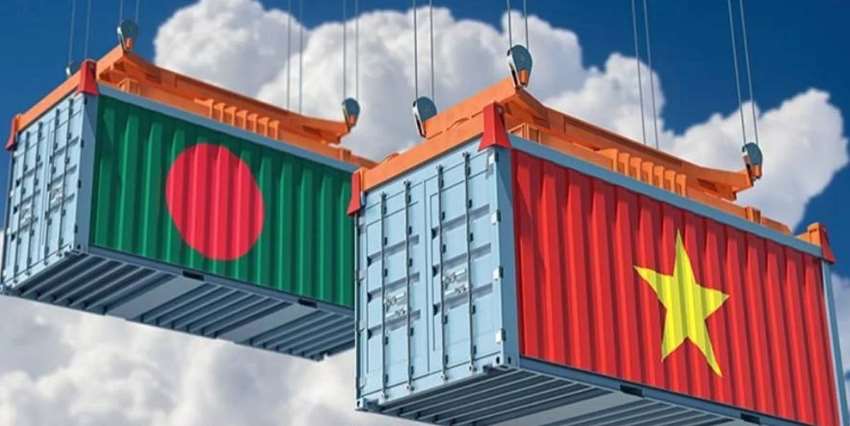
After nine years of negotiations, Indonesia and Australia have finally signed a free trade agreement. Thanks to this free agreement, Indonesia targets textile exports to Australia to increase 100 per cent in the next two years. Some of these textile goods are socks and scarves. Australia eliminated around 6,474 tariff posts to zero per cent when the free trade agreement was implemented. The agreement is expected to be a good deal for Indonesia in terms of growing its economic opportunity and investment. It is also seen as an opportunity for Australian education providers, health and financial services providers as well to be able to have easier access into Indonesia, better regulatory conditions to do business. In addition to Australia’s agricultural and health sectors, the deal is expected to deliver major benefits for the education industry, clearing the way for Australian universities to open campuses in Indonesia.
The agreement could see Australia’s major carrot and potato growers back on Indonesian shelves almost immediately. Indonesia with a large population has good demand for Australian goods. The trade deal is expected to benefit Australian grain growers with Indonesia agreeing to import 5,00,000 tons of grain tariff free. Indonesia wants greater access for Indonesians to work in Australia as well as support for its crude palm oil industry.

- 1
- 2
- 3
- 4
- 5
- 6
- 7
- 8
- 9
- 10
Virtual wardrobes redraw retail boundaries as gaming platforms become fashion ec…
The boundary between physical clothing and digital apparel is rapidly eroding as gaming environments evolve into fully functioning consumer markets.... Read more
From Estimates to Audits: Virgin PET data disrupts global synthetic fiber econom…
The global textile industry is recalibrating how environmental impact is measured, priced, and regulated. While polyester continues to dominate global... Read more
Retail’s new growth map in China, rise of premium wealth, senior spending
For decades, global fashion and retail companies built their China strategies around the rapid expansion of an aspirational middle class... Read more
Post-peak correction global cotton markets adjust amid shifting fundamentals
Following a period of aggressive increase, global cotton benchmarks have entered a cooling phase. The bullish momentum that propelled prices... Read more
From Runway Blueprint to Retail Rack: How Milano’s ‘Ready to Show’ shapes global…
As the fashion elite prepare their calendars for the Spring/Summer 2027 runway shows, an equally vital, multi-billion-dollar machinery is quietly... Read more
Natural fibers gain ground as microplastic awareness alters apparel demand
The global apparel industry is entering a new phase of disruption as consumer concern over microplastic pollution begins to materially... Read more
Global cotton output declines, raising stakes for spinners and fabric makers
A simultaneous drop across the global natural fiber sector is reshuffle-mapping trading dynamics for international textile mills, yarn spinners, and... Read more
Apparel’s inflation premium in the US signals a tough road for retailers
The latest inflation data from the U.S. Bureau of Labor Statistics has conveyed an important warning for the fashion and... Read more
The Alchemy of Adornment: Decoding the ‘Runway Trends’ and ‘Sartorial Shifts’ of…
As the global luxury sector navigates shifting economic currents, Milan continues to solidify its role as the definitive compass for... Read more
Engineered to Perform: How bio-based textiles are rewiring the $1.15 trillion at…
The global athleisure industry is entering a reset as the next phase of competition shifts from celebrity endorsements and logo... Read more