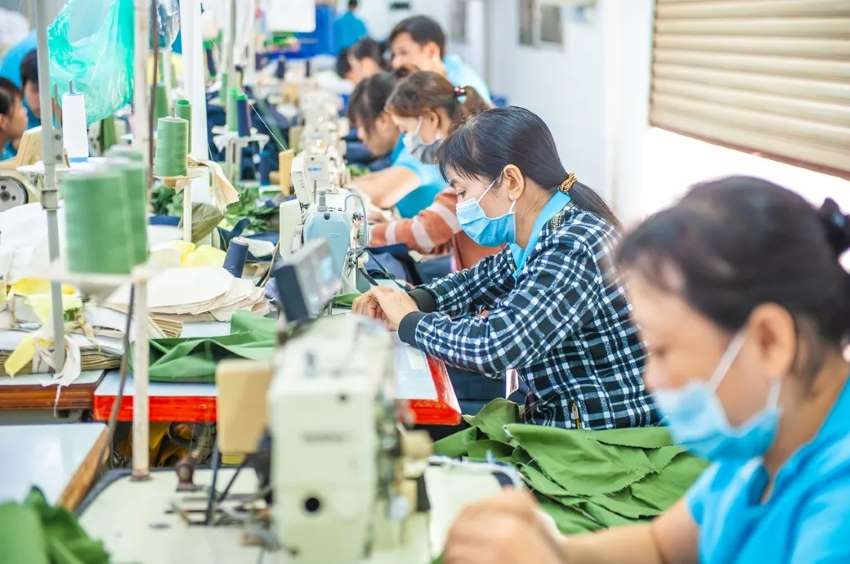
Indonesia is facing tough challenges in textile exports. Around 43,000 textile industry employees have been laid off since the Covid pandemic emerged.
Apart from the phenomenon of layoffs in the domestic textile industry there is the impact of the weakening global textile market. Countries such as the United States and the European region are experiencing a slowdown in the economy so that demand for imports has also experienced a fairly deep decline.
Domestically, the performance of the textile sector has also begun to slow down. Apart from the result of the unstable purchasing power of the people, it is also due to the flood of imported products into the domestic market.This has had an impact on textile industry production. There has been a reduction in employee working hours from seven days a week to five working days.
Estimates are that the performance of Indonesia’s textile industry in 2023 will be weak until the fourth quarter of that year.The easing of inflation in export destination countries will also determine the fate of the Indonesian textile industry. Hopes are that policies can prevent the import of illegal textile products, including applying trade remedies or protecting domestic industries from the losses of unhealthy trade practices. The industry also hopes there will be facilities related to restructuring policies for textile players who are facing financial problems.