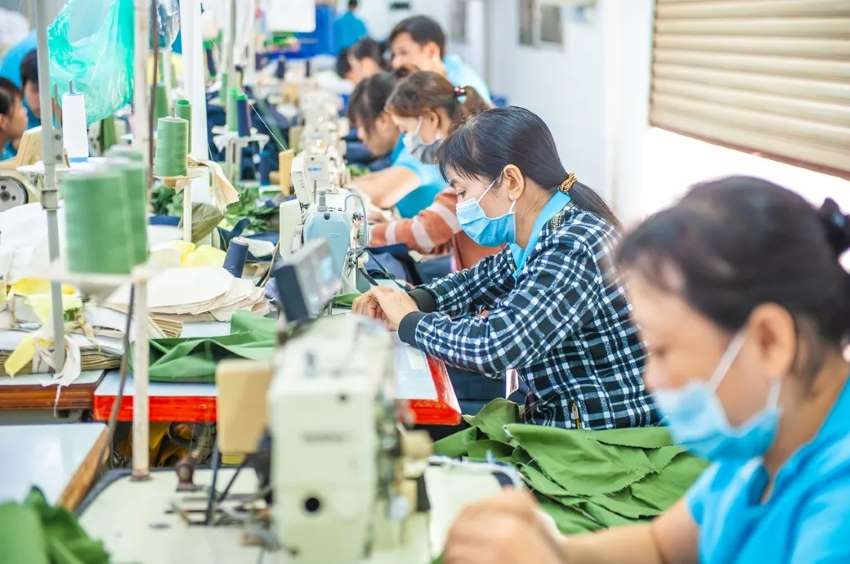
The textile industry in India is shifting gears from linear to circular operations.
Manufacturers are making concerted efforts to introduce sustainability by using innovative materials, safe dyes, reducing water and energy consumption, treating waste material and ensuring a greater focus on reducing, reusing and recycling, ensuring that both pre-consumer and post-consumer waste are controlled. Zero Liquid Discharge, for instance, is a wastewater treatment process that removes all liquid discharge from a system. Apart from prioritising organic fabrics, the focus of the sector is all about conserving the natural environment.
Other projects, like processing PET bottles to make recycled polyester fibers, are also underway.This has triggered the movement towards slow fashion that works on a‘fit-to-demand model, reducing surplus and investing in garments that have a long life.With new innovations like 3D printing and new age fabrics made from hemp and bamboo, these changes come as first steps in a long journey towards sustainability.
With the high environmental impact, but large room for improvement, it is very probable that measures to implement sustainability in the textiles sector will have a significant impact.The textile industry in India, which has a four percent share of the global trade in textiles and apparel, is expected to grow by a compound ten percent a year till 2026.