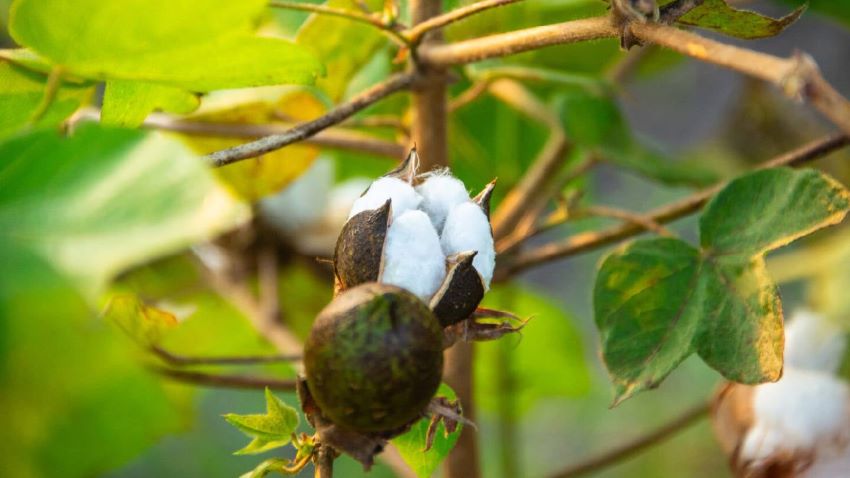
A rise of about 40 per cent in cotton prices over the past two months has hit both small and big spinning mills as yarn prices are up only 10 to 15 per cent. Many fabric mills have opted for blends of synthetic yarn, which is much cheaper than cotton yarn. This has aggravated the problem for cotton spinners.
For big entities, blended yarn is not a sustainable option. Only a small segment of garment makers has substituted blended for cotton yarn. And over-production of blended yarn might mean a glut in the market. At the end of the season, there do arise supply shortages but this year it has crossed all barriers, due to aggressive buying by hoarders. Multinational bulk buyers with access to cheap funds hoard cotton during high arrival days. As the yarn market is not aggressive, mills cannot pass on the entire cost increase on to the buyers.
Mills in Tirupur have resorted to import of cotton from Australia and Africa. However, it takes 35 to 60 days for order delivery and only a few spinners who’d anticipated a huge jump this year could order for imported cotton in time to reap the benefits. This option is not available to spinners in the north, as the distance from ports adds freight charges, making imported cotton unviable. Small mills which economise on maintaining inventory are hurt the most.

- 1
- 2
- 3
- 4
- 5
- 6
- 7
- 8
- 9
- 10
AI goes invisible as fashion brands rewire design studios
The fashion industry's digital transformation is entering a new phase. After investing heavily in sophisticated 3D computer-aided design (CAD) platforms... Read more
Natural fibers gain ground as global retail pushes back against polyester
A change is underway across the global textile industry as consumer preferences begin to alter sourcing decisions that have long... Read more
From exclusivity to engagement, luxury retail rewrites its growth strategy for 2…
The global luxury industry is entering a different growth cycle. After years of post-pandemic spending riding on affluent consumers and... Read more
Shaping the future of fashion at BRICS+ 2026
The upcoming BRICS+ Fashion Summit in Moscow promises to be a pivotal international gathering, offering a dedicated platform for fast-growing... Read more
The 10.3 mn-tonne cotton trade boom will be driven by scarcity, not surplus
The global cotton trade is entering an unusual expansion phase. Trade volumes are expected to rise steadily over the next... Read more
From Volume to Value: How fashion supply chains are defending margins through 20…
For decades, the global textile and apparel industry measured success through factory utilisation. Full order books, high machine occupancy and... Read more
The new retail math, smaller footprint, faster returns, sharper focus
The US retail industry is passing through one of its most impactful change in decades. What appears on the surface... Read more
The Operator Economy: China is rewriting the rules of global brand ownership
For decades, Western brands relied on centralized control over design, distribution, merchandising, and retail expansion in China market. That model... Read more
US cotton blacklist reshapes global textile supply chains
The US’ latest expansion of the Uyghur Forced Labor Prevention Act (UFLPA) Entity List is more than another trade sanction.... Read more
Lean stores, stronger margins, H&M's strategy reflects global retail reset
Profits are taking precedence over physical expansion in global apparel retail today. Years of building extensive store networks are giving... Read more