India can double its merchandise exports to Bangladesh if the latter reduces its peak tariff of 25 per cent on 415 goods under the proposed Comprehensive Economic Partnership Agreement (CEPA).
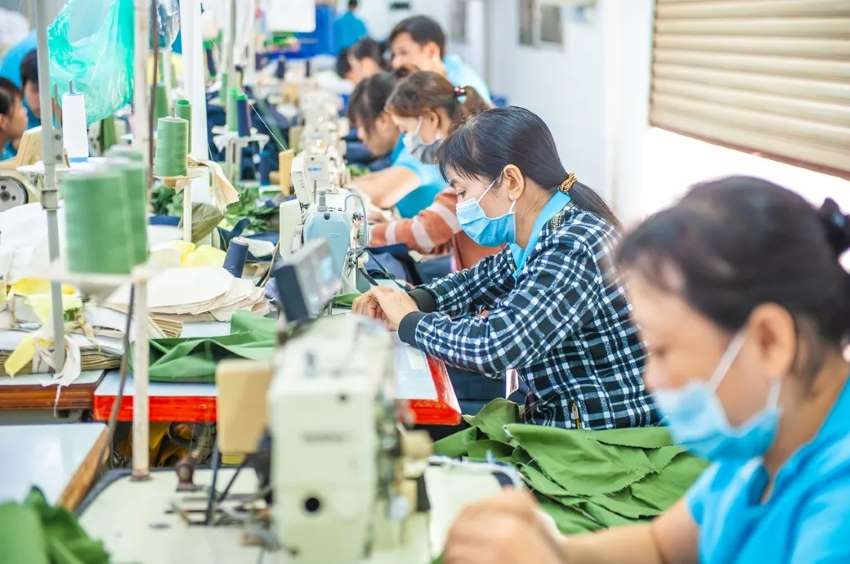
India has export competitiveness in these 415 goods. However, India meets hardly 22 per cent of the total import demand of Bangladesh in these 415 goods as the 25 per cent peak import tariff levied by Bangladesh acts as an impediment for Indian exports.These 415 products include denim, woven fabrics, iron and steel articles, paper and paperboard, fresh grapes, electric conductors, gems and jewelry, plastic products, cardamom, footwear, tricycles, washing and cleaning chemicals, ceramic sinks, stranded wires and cables etc.
The deal may also increase India’s share in the total import of Bangladesh, which currently stands around 19 per cent behind China’s share of 33 per cent.
A trade agreement between India and Bangladesh, two large economies in South Asia, can boost intra-regional trade in South Asia, which is the least connected region in terms of trade when compared to other regions such as North America, Europe and Asean.
Intra-regional exports in South Asia account for hardly nine per cent of the total exports of this regioncompared to 13 per cent in Sub-Saharan Africa, 22 per cent in Asean, 30 per cent in North America and 60 per cent in the European Union.