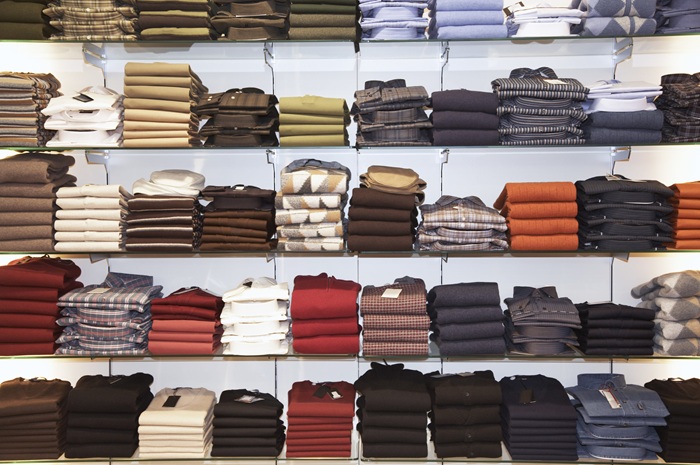
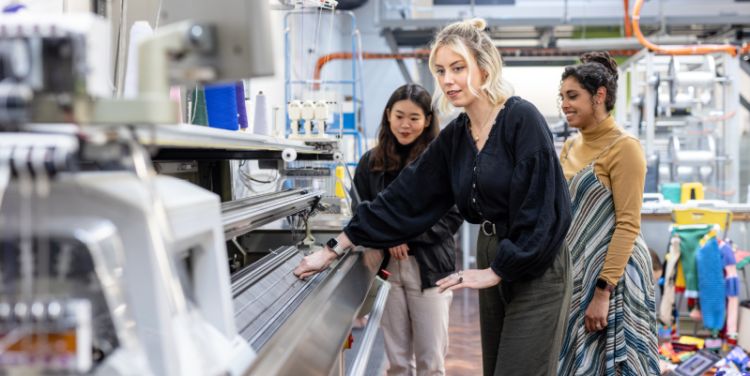
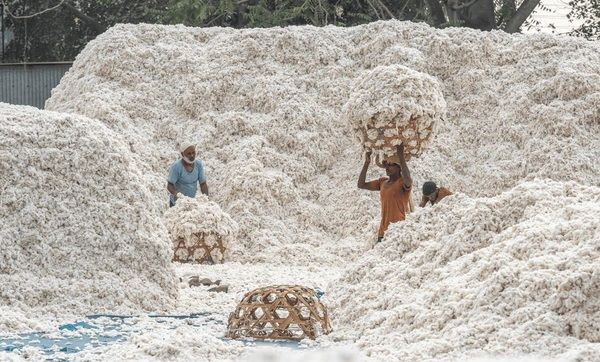
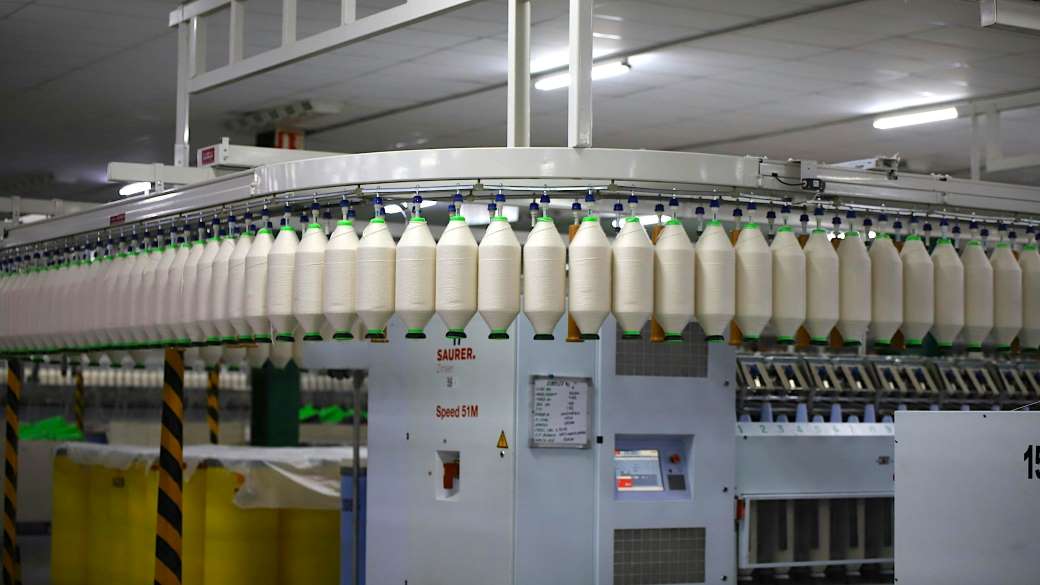
Honduras is Central America’s top textile exporter. The industry is one of Honduras’ main export and employment generators, comprising nearly 260 companies operating in 16 industrial parks. Strategic investments have helped transform the country into one of the world’s major players in the booming synthetic yarn and active wear market. Some 83 per cent of Honduran textile exports are destined for the US. The country is the US’s top supplier of cotton T-shirts and second largest supplier of fleece wear.
Honduras’ goal is to surpass Indonesia and Mexico to become the US’ fifth most important apparel provider. US, Chinese and European investors are investing both in synthetic manufacturing facilities and in distribution centers to service e-commerce. Several plants in the country have already incorporated new technologies for the use of recycled synthetic fibers. One such plant is slated to begin operations in the summer of 2018. The plant will have the capacity to produce more than 25,000 tons per year of drawn texturized yarn in a range of dimensions and textures to be used for the elaboration of synthetic sport, moisture-wicking, stain-resistant and other high-performance fabrics for clothing and footwear.
Synthetic textile manufacturing lead times and costs will become even more competitive once the high-tech yarn is produced locally instead of imported.
- 1
- 2
- 3
- 4
- 5
- 6
- 7
- 8
- 9
- 10
The Lyst Reset: Chanel and Dior rewrite luxury’s power index
The global luxury hierarchy has been quietly rewritten, and not by sales alone. In Q1 2026, Chanel rose to the... Read more
Inventory, not expansion, defines winners in global apparel
The 2025 fiscal year has crystallised that revenue growth and operational health are no longer moving in tandem. In an... Read more
From growth-at-all-costs to cash discipline, the new economics of DTC fashion
The global direct-to-consumer apparel market is entering a correction phase, as fashion brands across the US, Europe and the UK... Read more
Britain’s Forgotten Growth Engine: Why policy gaps are undermining fashion and t…
Britain’s fashion and textile industry, often framed through the lens of creativity and design, is emerging as a case study... Read more
Beyond price rallies structural reform can strengthen India’s cotton economy
India’s cotton economy is entering a decisive phase, where firmer prices and tighter arrivals in the 2026-27 season have given... Read more
Polyester volatility redraws India’s textile industry competitive map across Asi…
India’s synthetic textile industry has entered a phase of cost instability as polyester staple fibre (PSF) prices rise across domestic... Read more
The £7 Billion Question: Who pays for fashion’s ‘free rental’ habit?
The global fashion industry is facing an uncomfortable paradox: its most valuable customers may also be its most destructive. A... Read more
India, China Bangladesh face fresh headwinds as global apparel markets rebalance
Global apparel trade is entering a more uneven recovery phase, with demand growth persisting but losing uniform momentum across major... Read more
Global cotton enters a deficit year in 2026 as supply drop meets logistics risk
The global cotton economy has entered a fragile and sensitive phase. Early projections for the 2026-27 season suggest that world... Read more
India’s textile trade gets a Pacific push as New Zealand FTA removes tariff barr…
India and New Zealand have inked a ‘once-in-a-generation’ Free Trade Agreement (FTA), one that will have a profound impact on... Read more