Haryana is coming up with a new textile policy aimed at making it a global hub for textile manufacturing and a preferred investment destination. The policy is packed with fiscal incentives and contains provisions for infrastructure augmentation, setting up of textile parks and facilities for skill training. It aims at generating 50,000 new jobs by attracting investment in the textile sector to the tune of Rs 5,000 crores. It aims to boost textile exports by a compound annual growth rate of 20 per cent during 2017.
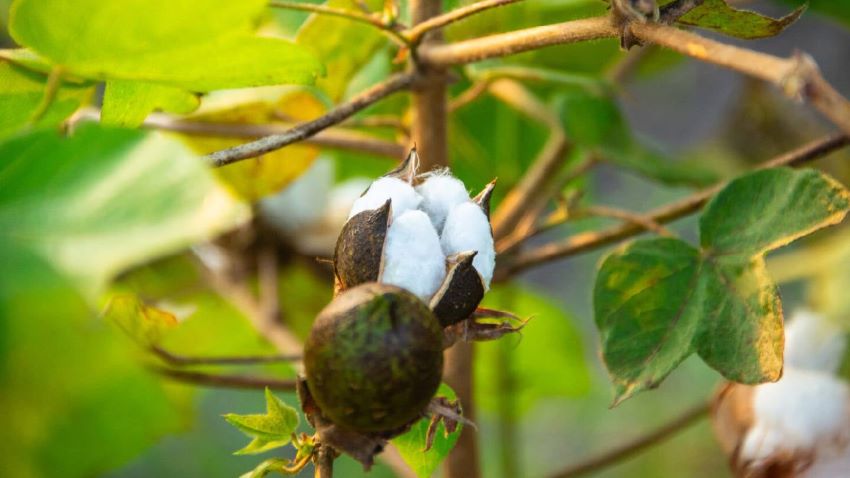
The policy proposes a capital subsidy of 10 per cent for eligible new projects of all textile enterprises across the state. It has been formulated with an eye on the cotton belt of Haryana. The state is one of the leading cotton producers in the country. This sector provides employment to about one million people and readymade garments worth two billion dollars are exported from the state annually.
The textile policy will incentivize setting up of new units and ensure growth and modernization of existing textile industry in the state. Help will be offered for setting up textile parks exclusively for garmenting units with provision of labor, housing and built-up sheds (to be provided on a lease basis) to facilitate the expansion of the garmenting industry in the state.
- 1
- 2
- 3
- 4
- 5
- 6
- 7
- 8
- 9
- 10
Luxury resale’s next big battle is no longer digital, it is about who controls s…
For nearly a decade, the luxury resale story was written in the language of platforms. Market leadership was measured by... Read more
Digital Arms Race: Indian apparel giants deploy AI to neutralize tariff crisis
The Indian textile and apparel sector is in a digital survival phase in 2026, shifting from traditional labor-intensive models to... Read more
Europe’s Textile Endgame: Why Project FAE is becoming fashion’s most critical in…
Europe’s apparel majors are no longer treating circularity as a branding layer. With Project FAE or Feedstock Activation Europe, the... Read more
Engineering color at source, dye-free production is cutting cost, water, and tim…
For over a century, coloring has been anchored in wet processing, an energy-intensive, chemically saturated stage that happen post spinning.... Read more
The €11 bn deadlock, can Europe’s textile recycling catch up?
Europe is at a tipping point. Fast fashion consumption, led by rising incomes and a growing global middle class, has... Read more
From field to fiber, Bharat CottonNet is closing India’s cotton value gap
India’s cotton economy is entering a decisive phase of reform with the rollout of Bharat CottonNet 2026 along with the... Read more
US apparel imports drop 13.5% as Vietnam gains and China’s grip breaks
The US apparel sourcing market has entered 2026 with a sharp demand decline but an equally important shift in supplier... Read more
H&M finds growth below revenue line as margin discipline pays off
H&M Group’s latest quarter signals a decisive shift in global fast fashion: scale is no longer the primary reason for... Read more
As Europe cuts orders, India sees a rare export window post-FTA
The sharp dip in EU apparel imports is not, at first glance, the kind of headline exporters celebrate. January’s 15.48... Read more
The Death of the "Stockpile" Model: Inside the Digital Textile disrupt…
For decades, the global textile industry has been a game of high-stakes gambling: manufacture thousands of identical garments, ship them... Read more