In its 14th annual conscious actions sustainability report published recently, Hennes & Mauritz (H&M), the Swedish fast-fashion giant claimed that 78 per cent of its electricity used came from renewable sources in 2015, up from 27 per cent in 2014. At the same time, its total emissions were reduced by 56 per cent. Last year, H&M collected 12,000 tons of textiles for reuse through its in-store garment-collection program. That’s the equivalent of 65 million T-shirts.
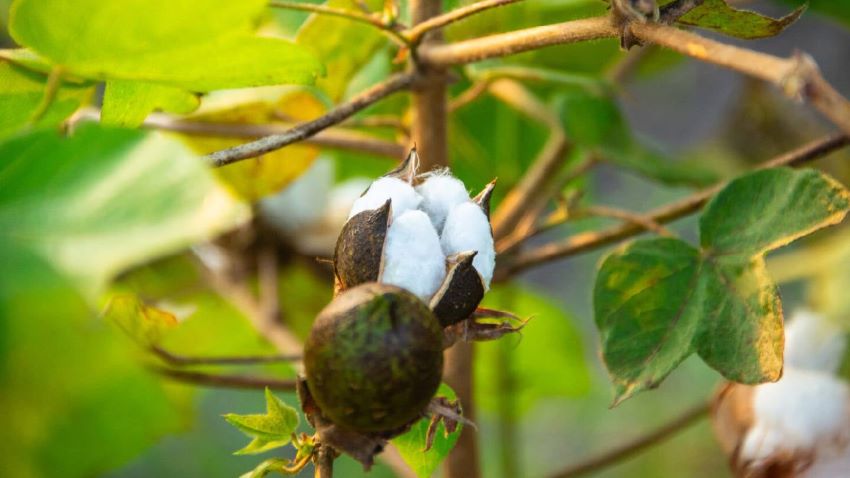
According to Cecilia Bransten, H&M’s sustainability business expert, when it comes to engaging their customers, the garment-collecting initiative is actually the second most well-known sustainability initiative that they do, aside from their conscious collection. H&M reported that sustainably sourced materials made up 20 per cent of the total material it used, up from 14 per cent in 2014. Organic cotton, recycled cotton and Better Cotton (certified by the Better Cotton Initiative) represented 31.4 per cent of H&M’s cotton intake in 2015, versus 21.2 per cent in the previous year. The company’s goal is to only use cotton from sustainable sources by 2020 and set a timeline which will determine when they will reach a stage of using 100 percent recyclable and sustainable sources of materials. Meanwhile, with its reprocessed polyester products, the brand recycled the equivalent of 90 million PET bottles.

- 1
- 2
- 3
- 4
- 5
- 6
- 7
- 8
- 9
- 10
The new fashion equation, quality, agility and value replace speed and discounts
The traditional order that once separated low-cost fast fashion from premium luxury is steadily breaking down as consumers become more... Read more
AI goes invisible as fashion brands rewire design studios
The fashion industry's digital transformation is entering a new phase. After investing heavily in sophisticated 3D computer-aided design (CAD) platforms... Read more
Natural fibers gain ground as global retail pushes back against polyester
A change is underway across the global textile industry as consumer preferences begin to alter sourcing decisions that have long... Read more
From exclusivity to engagement, luxury retail rewrites its growth strategy for 2…
The global luxury industry is entering a different growth cycle. After years of post-pandemic spending riding on affluent consumers and... Read more
Shaping the future of fashion at BRICS+ 2026
The upcoming BRICS+ Fashion Summit in Moscow promises to be a pivotal international gathering, offering a dedicated platform for fast-growing... Read more
The 10.3 mn-tonne cotton trade boom will be driven by scarcity, not surplus
The global cotton trade is entering an unusual expansion phase. Trade volumes are expected to rise steadily over the next... Read more
From Volume to Value: How fashion supply chains are defending margins through 20…
For decades, the global textile and apparel industry measured success through factory utilisation. Full order books, high machine occupancy and... Read more
The new retail math, smaller footprint, faster returns, sharper focus
The US retail industry is passing through one of its most impactful change in decades. What appears on the surface... Read more
The Operator Economy: China is rewriting the rules of global brand ownership
For decades, Western brands relied on centralized control over design, distribution, merchandising, and retail expansion in China market. That model... Read more
US cotton blacklist reshapes global textile supply chains
The US’ latest expansion of the Uyghur Forced Labor Prevention Act (UFLPA) Entity List is more than another trade sanction.... Read more