The rise of fast fashion has not only changed shopping habits but has led to the creation of more waste as people are discarding clothes at twice the rate as in 2000. In addition, people on an average have 60 per cent more clothing items than they did 19 years ago.
With that trend, the strain on environment is increasing because the fashion industry -- from garment production to disposal -- causes environmental damage. The garment industry is the world’s second largest source of pollution, after the petroleum sector. Modern clothing is made mostly from either cotton or polyester fibers. The latter is a byproduct of the petroleum industry, while cultivation of the former requires huge amounts of water, land and pesticides.
The garment industry impacts the environment because production of synthetic fibers indirectly increases carbon emissions, while the disposal of clothing produces greenhouse gases, whether they are burned or buried. With the rise of fast fashion -- inexpensive clothing produced rapidly by mass-market retailers in response to the latest trends -- the volume of recycled clothes has increased but the quality has dropped, which reduces their life expectancy. These are the results of a Greenpeace survey published in June 2016.
- 1
- 2
- 3
- 4
- 5
- 6
- 7
- 8
- 9
- 10
The £7 Billion Question: Who pays for fashion’s ‘free rental’ habit?
The global fashion industry is facing an uncomfortable paradox: its most valuable customers may also be its most destructive. A... Read more
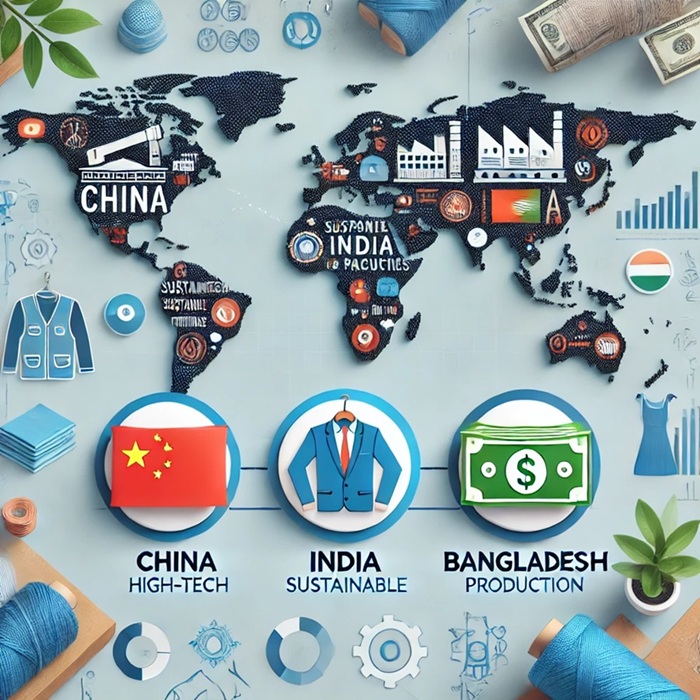
India, China Bangladesh face fresh headwinds as global apparel markets rebalance
Global apparel trade is entering a more uneven recovery phase, with demand growth persisting but losing uniform momentum across major... Read more
Global cotton enters a deficit year in 2026 as supply drop meets logistics risk
The global cotton economy has entered a fragile and sensitive phase. Early projections for the 2026-27 season suggest that world... Read more
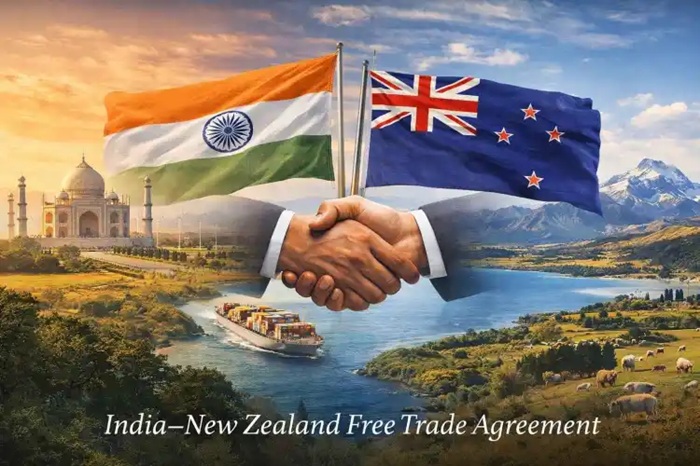
India’s textile trade gets a Pacific push as New Zealand FTA removes tariff barr…
India and New Zealand have inked a ‘once-in-a-generation’ Free Trade Agreement (FTA), one that will have a profound impact on... Read more
Lululemon’s world-first nylon circularity push signals a new apparel arms race
The global apparel industry’s circularity narrative is entering a more technically demanding phase. Polyester recycling once the flagship of sustainable... Read more
Beyond the DTC Rush: Levi’s hybrid channel strategy sets a new retail benchmark
The global apparel sector is entering a phase where channel strategy is no longer a tactical lever but a core... Read more
The New Rules of Resale: EPR turning secondhand into fashion’s strategic growth …
The global fashion industry is facing a decisive regulatory and commercial reset. What began as a sustainability narrative around reuse... Read more
The 2027 Mandate: Why denim’s future hinges on verifiable data
For decades, the global denim industry has relied on a narrative of durability, heritage, and authenticity. That narrative is now... Read more
Europe’s textile core unravels as costs, imports and policy pressure bite
Europe’s textile and apparel sector, long seen as a benchmark for craftsmanship and industrial depth, is slipping into a prolonged... Read more
Automation, innovation, regulation are the forces shaping textiles in 2026
The global textile sector has entered a new era. Early 2026 saw the industry breach a $1.06 trillion valuation, reflecting... Read more