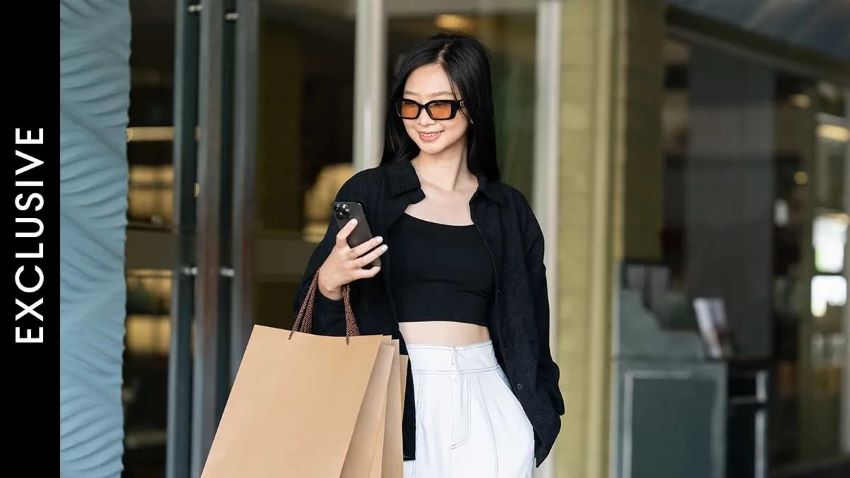
Luxury spending is growing faster than ever. So says Bain. Global sales of personal luxury goods, including leather accessories, apparel, footwear, jewellery and watches, are expected to grow by 22 per cent this year.
Consumption is back at pre-crisis levels. There is a new consumer base that is younger and some pockets of consumers that have been unlocked during Covid are growing. The record growth comes after the sharp 2021 recovery from the global pandemic lockdowns, creating a strong trajectory despite the spectre of recession next year blamed on higher raw material and energy prices.
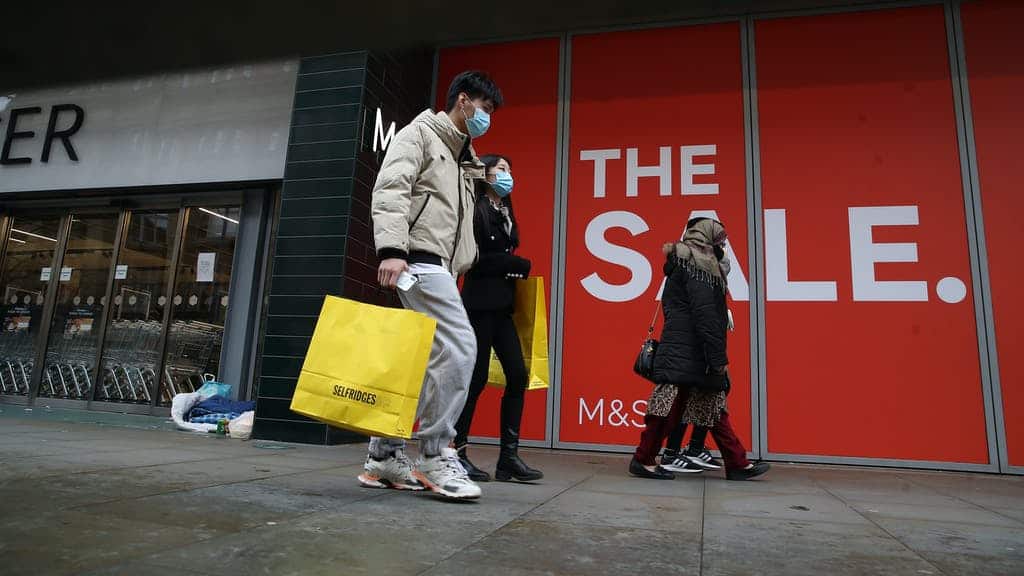
The sector is not recession-proof but is more resilient than it was in the 2008-2009 financial crisis. Factors that have made the luxury industry more resilient include the enlarged customer base as well as stronger relationships between brands and consumers developed both through social media and an elevated focus on the in-store shopping experience in branded stores. Mature markets in the United States and Europe are the strongest performers, each growing by about a quarter.The disappearance of the Russian market after the invasion of Ukraine led to Western sanctions has had almost no major impact. This market represented two per cent of sales before the war.