The year, there has been a 3 per cent drop in global apparel manufacturing with cancelled events forcing fashion retail stores to cancel orders from their manufacturers. Over 40 billion dollars’ worth of goods have been dumped into the landfills, says Ayesha Barenblat, founder of Remake, a nonprofit organization advocating for the rights of fashion manufacturing workers.
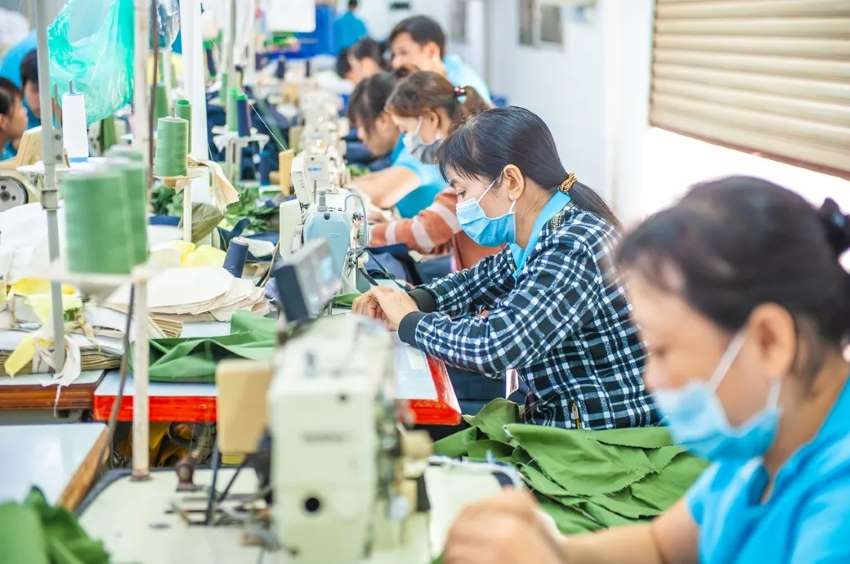
This is impacting individuals who have already spent hours making these garments as they are being left unpaid. s most of these workers live in developing nations, there aren’t many avenues of work available. While it is these large-scale companies that are making the error by relying on fast cheap fashion, it is the garment worker that pays the price.
Not only this, but human rights are not upheld by the working conditions in many of these factories, says Clare Press, ethical fashion activist and owner of the Wardrobe Crisis podcast. Women of color have been hit hardest by this issue. But the resounding issue of this financial crisis has finally reached the ears of these large-scale corporations. In March this year, over 200 000 signatures were collected by a Remake lead petition for fashion companies to pay their workers.
From this, 18 global brands have joined the movement, such as Zara and H&M. There is now a push to reuptake local production, as Australian regulation ensures a fair wage and treatment of workers. Perhaps now that these companies are taking action, this frontier may be a possibility.