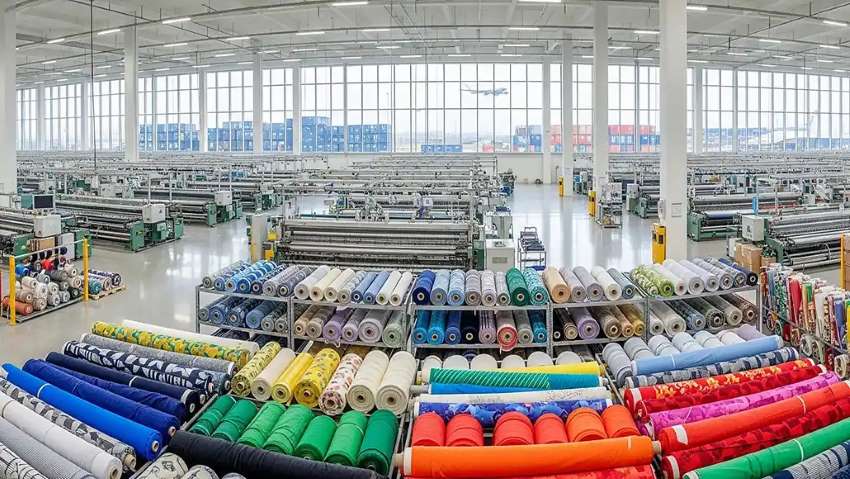
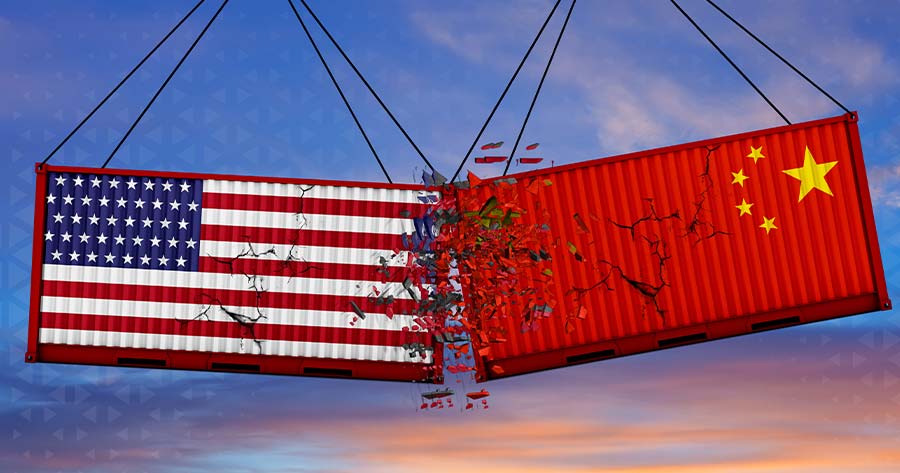
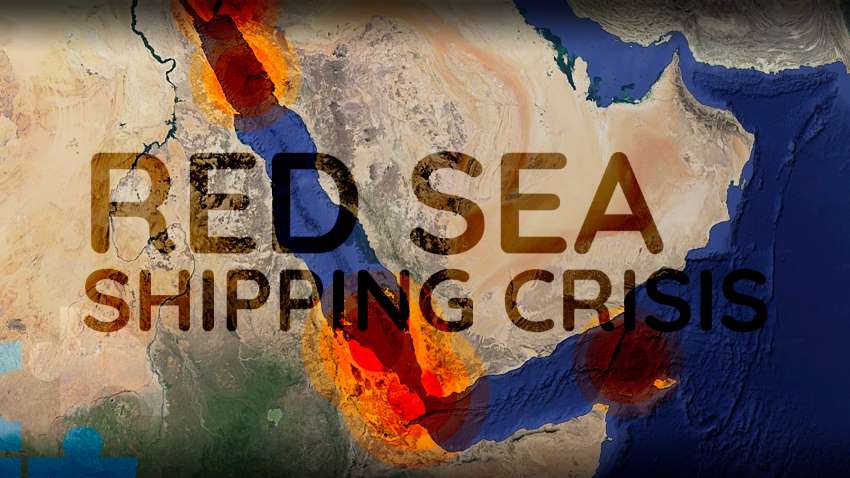
The escalation of the US-Israel-Iran conflict in early March 2026 has introduced severe structural risks to Bangladesh’s apparel export machinery. With the Iranian Islamic Revolutionary Guard Corps (IRGC) signaling a potential closure of the Strait of Hormuz - a corridor handling 20 per cent of global oil and 25 per cent of LNG - industry leaders warn of an immediate ‘chokepoint economy. For Bangladesh, which relies on these routes for 84 per cent of its garment shipments to Europe and the US, the disruption is forecasted to increase export costs by 30 per cent to 35 per cent. Freight rates, already volatile following the protracted Red Sea crisis, are expected to surge as vessels reroute around the Cape of Good Hope, adding 15 days to lead times and significantly eroding the competitive ‘speed-to-market’ advantage of Dhaka’s textile clusters.
Energy inflation and the erosion of manufacturing margins
The conflict’s spillover into energy markets poses a secondary, more lethal threat to factory solvency. Analysts from Research and Policy Integration for Development (RAPID) indicate, that a $5 increase in crude oil prices adds approximately $500 million to Bangladesh’s annual import bill. This energy inflation directly translates to higher electricity tariffs for high-intensity knitting and dyeing units, which are already struggling with a 2.63 per cent decline in export earnings during H1, FY26. Mahmud Hasan Khan, President, BGMEA has formally petitioned the central bank for a Tk 14,000 crore soft loan package to buffer factories against these rising operational costs. Without such intervention, the sector faces a "double shock" of reduced consumer purchasing power in Western markets and a domestic liquidity crisis that could derail the nation’s $100 billion export target for 2030.
The BGMEA represents over 4,500 garment factories in Bangladesh, the world’s second-largest apparel exporter. Focusing on the EU, US, and emerging Asian markets, the association manages trade negotiations and labor compliance. Its 2026 roadmap prioritizes digital financial tools and market diversification to sustain a sector contributing over 80 per cent to national export earnings.