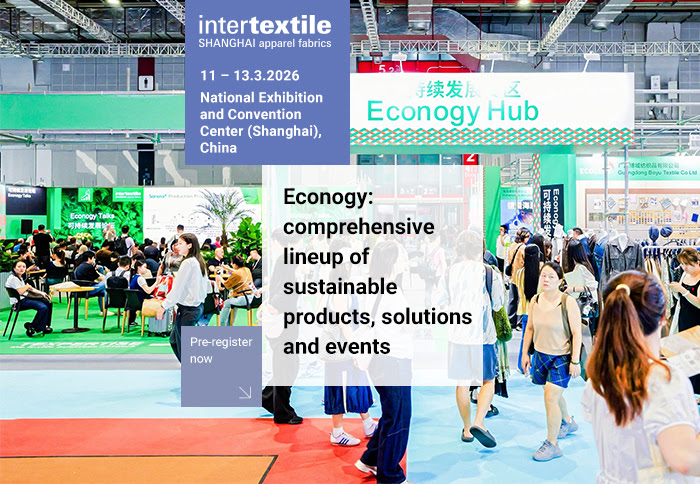
The global apparel industry is witnessing a significant shift toward standardized ecological accountability, centered on the expansion of the Econogy Hub. This year’s exhibition serves as a critical nexus for international suppliers from China, Germany, Pakistan, and the United States, showcasing a move beyond niche ‘green’ collections toward integrated, large-scale sustainable manufacturing. As regulatory pressures mount in overseas markets, the hub highlights a transition where eco-friendly functions are no longer secondary to aesthetics but are fundamental to the textile's value proposition.
Bio-based materials and manufacturing excellence
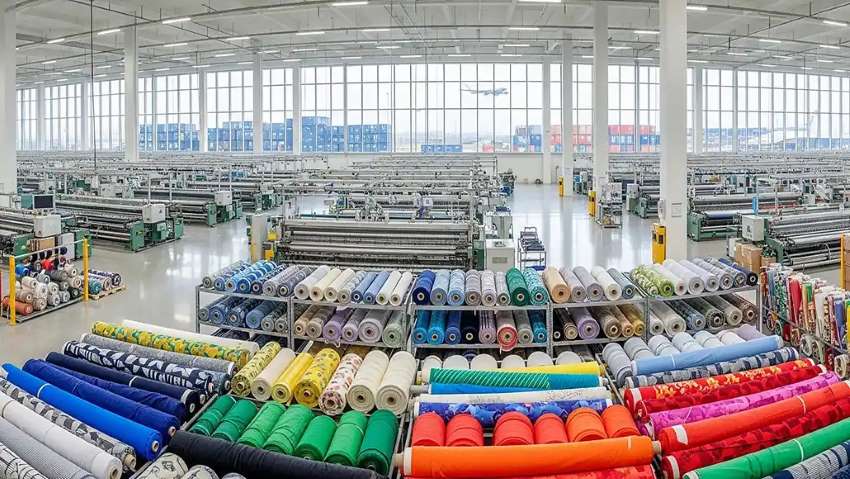
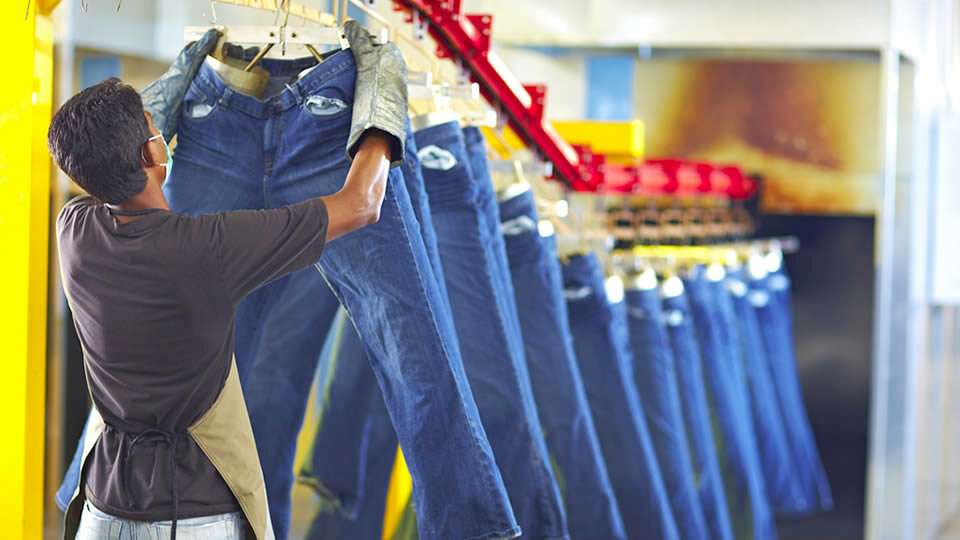
A primary development in this edition is the commercialization of non-food agricultural waste. German innovator Peelsphere is leading this trajectory by converting plant fibers into 100 per cent bio-based leather. This technology represents a significant leap in material science, offering a high-performance alternative to animal and synthetic leathers without compromising on fashion aesthetics. Simultaneously, the manufacturing sector is proving that sustainability can be achieved at scale. Pakistan’s Diamond Fabrics demonstrates this through a comprehensive ‘yarn-to-garment’ model. By optimizing spinning, weaving, and R&D processes to minimize chemical and water intensity, the firm provides a blueprint for how high-volume denim production can align with rigorous environmental standards.
Digital transparency and regulatory navigation
As global supply chain laws tighten, traceability has become the retail sector’s most urgent priority. TextileGenesis, a Lectra company, is addressing this through a Software as a Service (SaaS) platform designed to secure material data from the fiber level to the end consumer. This digital ‘passport’ for textiles is essential for brands navigating the complex landscape of international certifications. To support this transition, the Econogy Talks series provides a forum for experts like Felicia Shi from the Global Organic Textile Standard (GOTS) and leadership from Intertek to dissect overseas regulatory updates. These sessions move beyond theory, offering pragmatic frameworks for ensuring fairness and sustainability across the entire textile lifecycle.
The rise of the Econogy ecosystem
The Econogy Tour and the dedicated Hub Display Area in Hall 5.1 offer a curated look at the future of ‘utility glamour.’ By showcasing fabrics and accessories that have passed the stringent ‘Econogy Check,’ the event highlights a market trend where circularity - the concept that waste is a renewable resource - is becoming the industry standard. Under the guidance of industry consultants like Karl Borgschulze, the Econogy Tour bridges the gap between raw innovation and market-ready application. This holistic ecosystem suggests that the future of retail lies in the successful fusion of high-performance technical knits with radical transparency, allowing brands to hedge against volatility while meeting the demands of an increasingly conscious global consumer base.
The Econogy Hub is a premier sustainability platform within the international textile trade circuit, focused on certifying and promoting eco-responsible apparel. By integrating global exhibitors with expert-led ‘Econogy Talks,’ the initiative facilitates growth in bio-based materials and traceable supply chains. With a strong presence in European and Asian manufacturing hubs, it serves as a central catalyst for the industry's transition toward a circular economy and 100 per cent bio-based production models.