There has been no let up in emissions by the fashion industry. So says Stand earth. Brands aren't acting to decarbonize their supply chains, where the vast majority of climate-harming emissions come from. Fashion brands are still off track to meet the 1.5 degree emissions pathway, and most are still going in the wrong direction.
Of the ten companies assessed (American Eagle Outfitters, Fast Retailing, Gap Inc., H&M, Inditex, Kering, Lululemon, Levi Strauss & Co., Nike, VF Corp), only one, Levi's, is projected to reduce its supply chain emissions by 55% compared with 2018 levels, in line with keeping warming below 1.5C.
While many brands showed a Covid dip in emissions in 2020, eight out of ten brands' supply chain emissions climbed again in 2021, putting them further off-track to meet their emissions goals. Some brands are responsible for manufacturing emissions of close to ten million tons CO2e—the equivalent of more than two million gas-powered cars on the road per company.
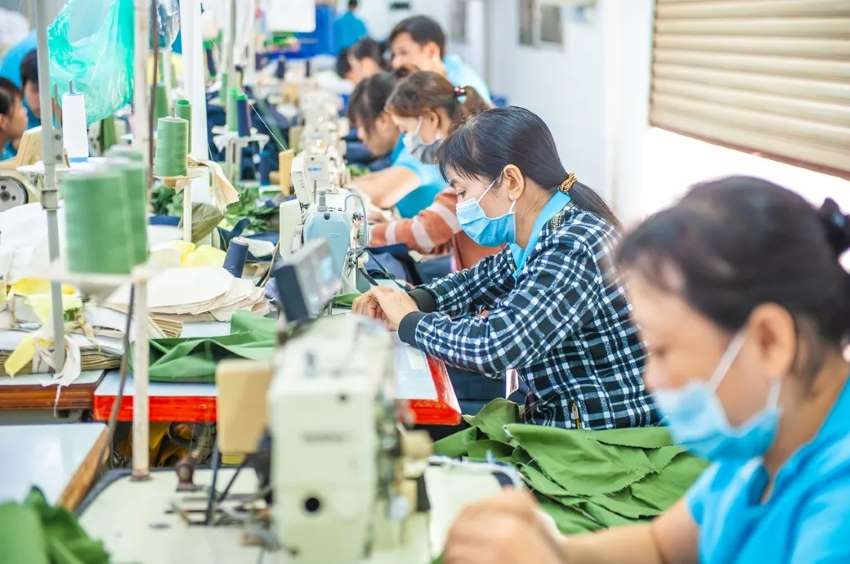
Fashion brands have not really moved toward decarbonizing their manufacturing by committing to 100 per cent renewable energy for their supply chains and phasing out fossil fuels as a source of energy, fabric and fuel. Even those with industry-leading commitments are still failing to provide transparency on their progress. To ensure accountability, they need to provide updates on their progress in phasing out coal and fossil fuels.
The fashion industry is responsible for five per cent to eight per cent of annual climate emissions.