Bangladesh’s imports of cotton may decline this marketing year. Contributing reasons are rising global raw cotton prices, decreased apparel production as a result of the energy crisis in Bangladesh, global economic slowdown and high inflation.
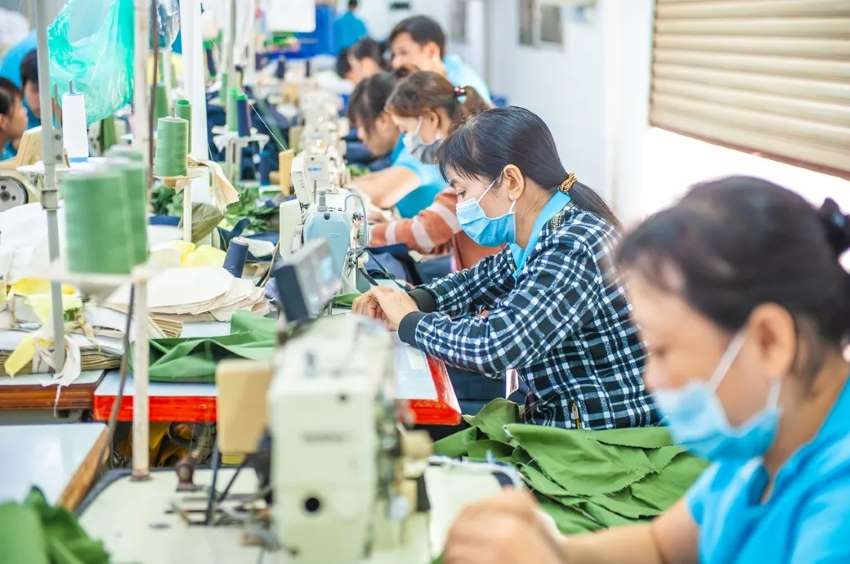
Bangladesh is the world’s second largest garment exporter and is highly dependent on imports to make yarn.Among the major suppliers of cotton to Bangladesh, India is on the top, followed by Benin, Brazil, Burkina Faso and the US.
As of October 2022 raw cotton imports amounted to 7.1 million bales, lower than 7.5 million bales of the same period of 2020.Total cotton cultivation in Bangladesh covers only 0.55 per cent of the country’s arable land.Domestically produced cotton accounts for less than two per cent of total cotton consumption in the country.
But the garment industry in Bangladesh is currently facing numerous challenges, including gas and electricity shortages, increased fuel prices, and high levels of inflation.Most readymade garment factories are not able to fully operate due to significant load shedding. In addition, some European and American brands are deferring shipments and canceling work orders due to ongoing economic issues and high inflation at home. Garment purchase orders slumped approximately 20 per cent to 30 per cent in June and July this year due to the global economic turbulent situation.