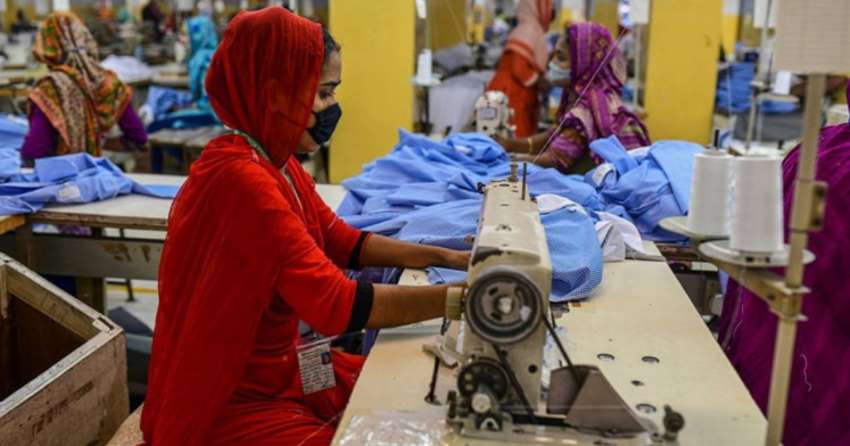
In a recent finding, compliance service provider AsiaInspection (AI) says that factory inspection results in Bangladesh improved gradually in 2014 as brands pushed for higher standards. The Acceptable Quality Level (AQL) inspection results in the country had improved through the year. It is likely due to the enormous pressure being applied on brands to demonstrate ethically compliant supply chains in Bangladesh following causing buyers to be more careful about selecting suppliers and push them to improve standards, AI said in its 2015 Q1 Barometer report.
Meanwhile, 5.6 per cent of ethical audits in Asia failed on child labour grounds, a slight increase, the company said. AI auditors continue to discover child labourers in factories. Tackling the issue is not easy for brands and retailers in supply chains that are increasingly complex and fragmented, but action can be taken to safeguard these children’s childhoods, said AI CEO Sebastien Breteau.
The main reason for failing ethical audits was health and safety, with India the worst offender, behind Bangladesh and China. Working hours and compensation was the second most common cause of failure, AI said. Changes in global manufacturing cost-competitiveness were likely to prompt buyers to target countries like Mexico in 2015, taking advantage of lower costs and proximity to markets, the company has said. The erosion of China’s estimated cost advantage would also give a potential boost to Asian rivals such as India and Indonesia.

- 1
- 2
- 3
- 4
- 5
- 6
- 7
- 8
- 9
- 10
The End of Fibre Blends: Why retailers are moving toward 100% recyclable apparel
The apparel industry is entering a redesign phase as sustainability goals, regulatory pressures, and resource security unite around one central... Read more
Recycled polyester’s next growth phase will be driven by data, not fiber
For much of the last decade, recycled polyester was one of the easiest sustainability wins available to brands. Replacing virgin... Read more
Lefties becomes Inditex's new weapon against Primark and Shein
While much of the global apparel industry has focused on the rapid rise of digital-first retailers such as Shein and... Read more
Bangladesh’s apparel export model hits a breaking point as price wars reduce mar…
Bangladesh's apparel industry, long regarded as the world's manufacturing hub for affordable, high-volume garments, is facing one of its most... Read more
EU textile labeling crackdown exposes apparel supply chain compliance risks
The European apparel industry is facing a major compliance challenge after a coordinated market surveillance exercise by the European Commission... Read more
Can Surat overcome raw material volatility to become a global MMF hub?
Surat remains the undisputed heart of India's man-made fibre (MMF) textile industry. The Gujarat cluster produces nearly 65 per cent... Read more
Emerging markets redraw the global fashion spending map
The global apparel industry is facing a geographic realignment as rising middle-class in developing economies reshape consumer spending patterns. New... Read more
Shrinking cotton harvest puts global textile supply chains under pressure
The global textile industry is heading into another challenging procurement cycle as falling cotton production and shrinking cultivation areas threaten... Read more
Global Sourcing Expo Sydney 2026 reports 20% growth in attendance
The Global Sourcing Expo Sydney 2026 has officially concluded, marking a watershed moment for Australia’s textile and apparel trade sector.... Read more
Bharat Tex 2026: Setting the global standard for textile commerce and innovation
As the industry prepares for a major milestone, Bharat Tex 2026 is set to strengthen its position as the premier... Read more