Brands and experts deliberated at seminal two-day Venice Sustainable Fashion Forum discussed about the challenges faced for sustainability and the related scenario.
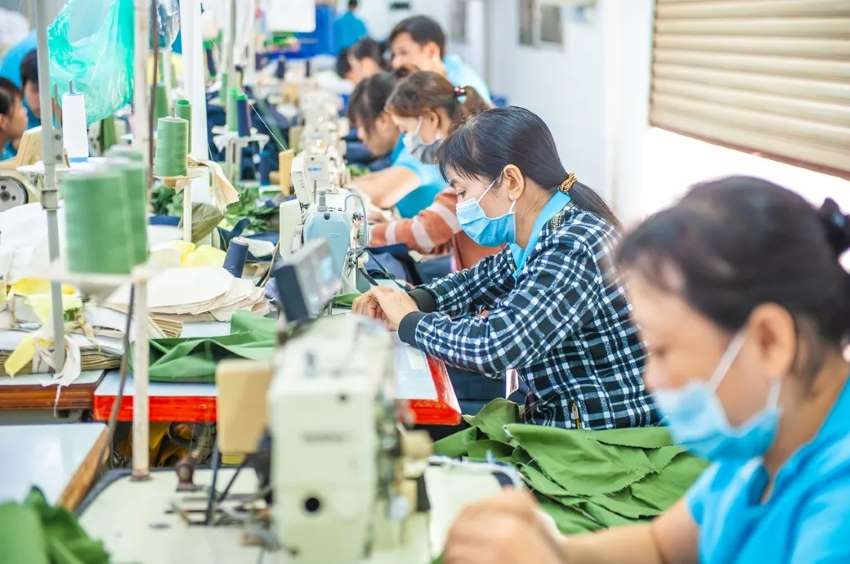
Sustainability in fashion has made leaps in recent years but has a long way to go. Its complexity and many aspects pose daily challenges, regulatory nightmares and cost the supply chain as a whole has yet to account for.
The shift toward responsibility is defined by six pillars.These include anticipating the market transition, the creation of multi stakeholder task forces, alliances among companies to spark change, the promotion of a positive cultural shift, stimulating a sustainability vanguard by luxury value chains, and the definition of an up-to-date measurement policy based on a few significant key performance indicators. Numbers define what products and processes are sustainable.
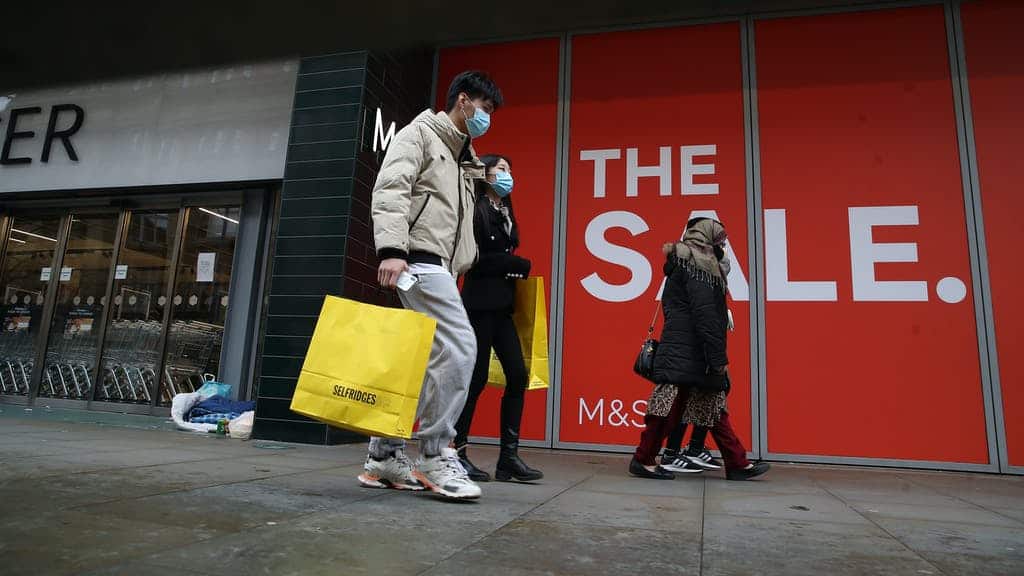
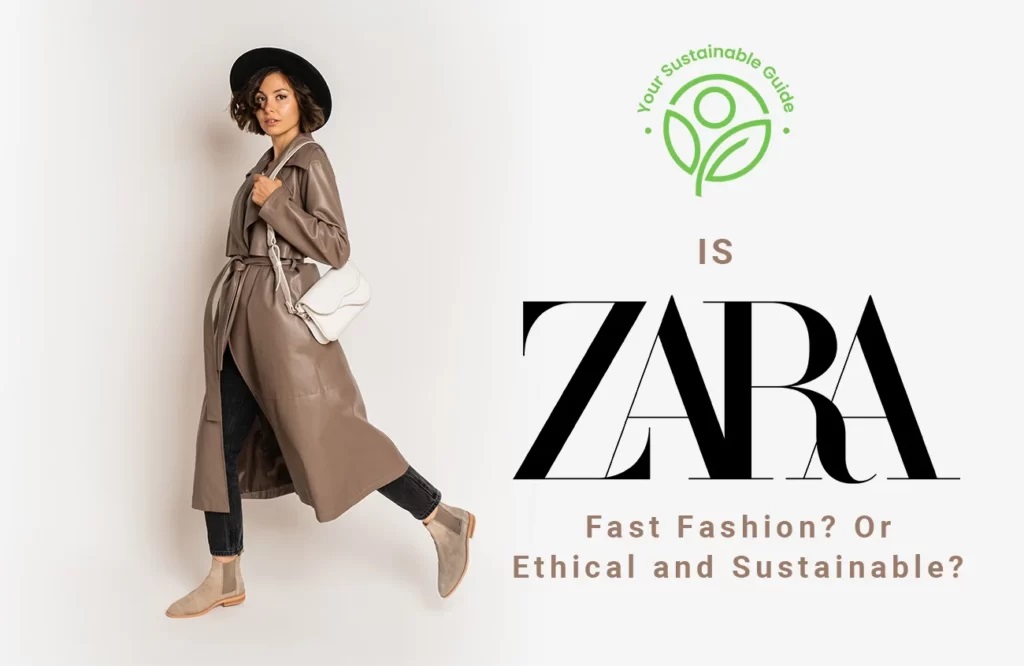
The global apparel market is poised to grow at a compound annual rate of six percent by 2026.Swirling forces in the industry are varied and include the increasing penetration pace of social commerce and fast fashion, still largely embraced by younger consumers, as well as a transition toward ultra-fast manufacturing cycles that are pressuring the supply chain.
Conversely, circular business models — resale, repair and rental — represent only three percent of the overall fashion market and only one third of consumers in the US and the UK are eager to spend more on their fashion purchases because of sustainable components.