The European Union (EU) is planning to enter into a five-year strategic partnership with Pakistan as the current relationship between the two has reached a mature level. The textile industry in Pakistan contributes 8.5 per cent to GDP and 60 per cent to exports while employing 38 per cent of the workforce. The EU has provided Pakistan GSP Plus status.
Pakistan wants brand owners of textiles from the EU to divert the bulk of their buying from Pakistan since it is well placed for the production and supply of high quality textile goods at attractive prices. Fighting poverty and helping the country on its path towards inclusive and sustainable growth are the aims of EU support to Pakistan. The EU considers that such goals will only be achieved by increasing political stability, improving the rule of law, bringing about human and social development, creating productive and decent work opportunities and diversifying the economy.
Although the EU is regarded a strong economic player it is still seen as a weak political power. The EU intends to change that view by using its position as a development and aid donor as its main strategy to foster democracy and strengthen Pakistan’s institution-building.

- 1
- 2
- 3
- 4
- 5
- 6
- 7
- 8
- 9
- 10
Natural fibers gain ground as microplastic awareness alters apparel demand
The global apparel industry is entering a new phase of disruption as consumer concern over microplastic pollution begins to materially... Read more
Global cotton output declines, raising stakes for spinners and fabric makers
A simultaneous drop across the global natural fiber sector is reshuffle-mapping trading dynamics for international textile mills, yarn spinners, and... Read more
Apparel’s inflation premium in the US signals a tough road for retailers
The latest inflation data from the U.S. Bureau of Labor Statistics has conveyed an important warning for the fashion and... Read more
The Alchemy of Adornment: Decoding the ‘Runway Trends’ and ‘Sartorial Shifts’ of…
As the global luxury sector navigates shifting economic currents, Milan continues to solidify its role as the definitive compass for... Read more
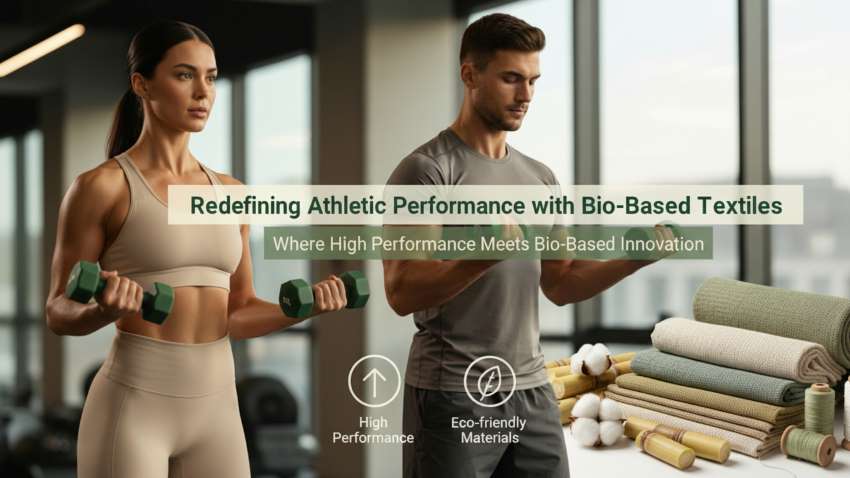
Engineered to Perform: How bio-based textiles are rewiring the $1.15 trillion at…
The global athleisure industry is entering a reset as the next phase of competition shifts from celebrity endorsements and logo... Read more
China’s inward turn, domestic demand is rewriting the export model
China is undergoing one of its most consequential economic recalibrations in decades, driven by geopolitical instability, rising Western protectionism, and... Read more
Why Shein sees itself as a technology company, not a fashion brand
The modern fashion industry has traditionally been defined by creativity, merchandising expertise and global sourcing networks. Yet few companies have... Read more
India’s textile sector turns crisis into competitive advantage
India’s textile and apparel industry has emerged from one of the most turbulent periods in its recent history, transforming a... Read more
India’s Export Divide: Textile mills advance, apparel makers face global headwin…
India’s textile and apparel (T&A) sector entered FY2027 with a striking internal contradiction. While the country’s overall merchandise exports increased... Read more
China’s inward turn, domestic demand is rewriting the export model
China is undergoing one of its most consequential economic recalibrations in decades, driven by geopolitical instability, rising Western protectionism, and... Read more