The European Commission plans to set a limit to fast fashion imports. Currently, each person in the European Union discards annually about 11 kilograms of textiles, mostly clothing. Clothing that has been worn only seven to 10 times is frequently discarded.
The European Commission is therefore developing a textile strategy.According to the proposed plan, all textiles sold on the EU market by 2030 must be durable and recyclable.Clothing should be made from eco-friendly fibers, which are recycled fibers, free of harmful compounds and produced with environmental and social rights in mind.
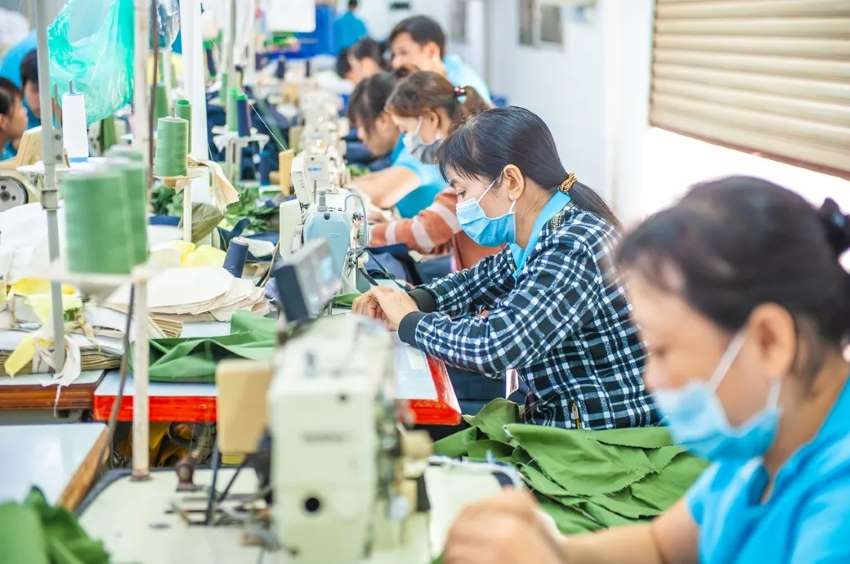
This includes a reduction in the flow of fast textile production chains into the EU.The strategy elaborates on the following goals: to reduce the number of collections per year, take responsibility, act to minimize one's carbon and environmental footprint.Another major issue is the disposal of textile waste. Textile consumption is the third most negatively affected factor within the European Union, after water and land use, and the fourth most detrimental factor on the environment and climate change at large.
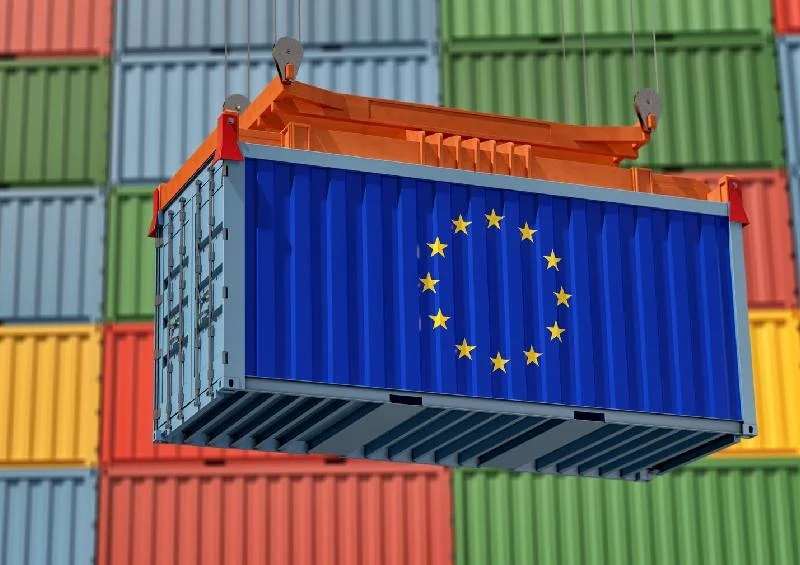
Beginning from 2025, separate pickup of textile waste will be mandated everywhere in the European Union. Since textile waste is a quickly growing export item, in particular to non-European countries, the EU has proposed restrictions on that as well.