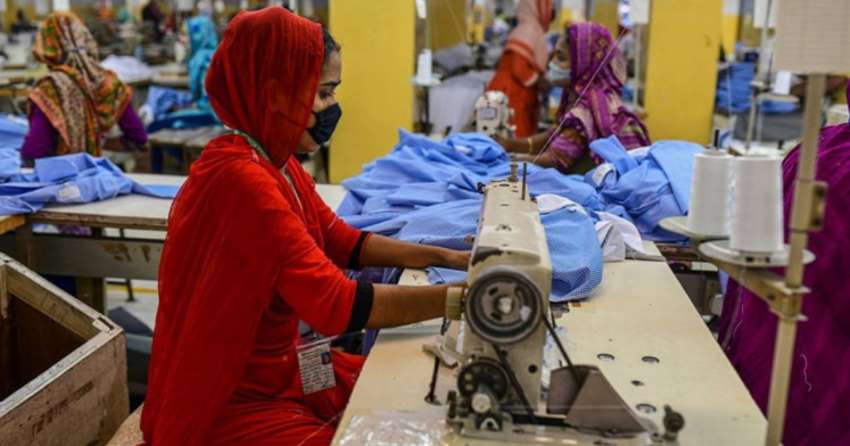
The EU is about to impose trade sanctions against Cambodia as a result of alleged human rights violations in the country. That means, Cambodia won’t be allowed to export goods duty-free and quota-free to the EU. Sanctions will damage Cambodia’s economy, where a $5 billion garment industry employs 7,50,000 people and is the biggest exporter.
In addition, the EU is mulling imposing tariffs on Cambodian rice for three years as a result of a surge in imports deemed to have hurt European rice producers. Progress on workers' rights in Cambodia has slowed significantly. While the government still allows some independent unions and workers'-rights organisations to operate, the space for them to advocate effectively is shrinking.
A number of labor union and human rights leaders have been targeted for official harassment, and some have been arrested or criminally charged. In several high-profile cases, labor leaders who were charged with baseless crimes in 2013 still have those charges pending against them. A law restricting freedom of association, adopted in 2015, restricts the activities of a wide range of non-governmental organisations, including those advocating on behalf of workers. Another law adopted in 2016 places onerous constraints on those who wish to form new unions.

- 1
- 2
- 3
- 4
- 5
- 6
- 7
- 8
- 9
- 10
The End of Fibre Blends: Why retailers are moving toward 100% recyclable apparel
The apparel industry is entering a redesign phase as sustainability goals, regulatory pressures, and resource security unite around one central... Read more
Recycled polyester’s next growth phase will be driven by data, not fiber
For much of the last decade, recycled polyester was one of the easiest sustainability wins available to brands. Replacing virgin... Read more
Lefties becomes Inditex's new weapon against Primark and Shein
While much of the global apparel industry has focused on the rapid rise of digital-first retailers such as Shein and... Read more
Bangladesh’s apparel export model hits a breaking point as price wars reduce mar…
Bangladesh's apparel industry, long regarded as the world's manufacturing hub for affordable, high-volume garments, is facing one of its most... Read more
EU textile labeling crackdown exposes apparel supply chain compliance risks
The European apparel industry is facing a major compliance challenge after a coordinated market surveillance exercise by the European Commission... Read more
Can Surat overcome raw material volatility to become a global MMF hub?
Surat remains the undisputed heart of India's man-made fibre (MMF) textile industry. The Gujarat cluster produces nearly 65 per cent... Read more
Emerging markets redraw the global fashion spending map
The global apparel industry is facing a geographic realignment as rising middle-class in developing economies reshape consumer spending patterns. New... Read more
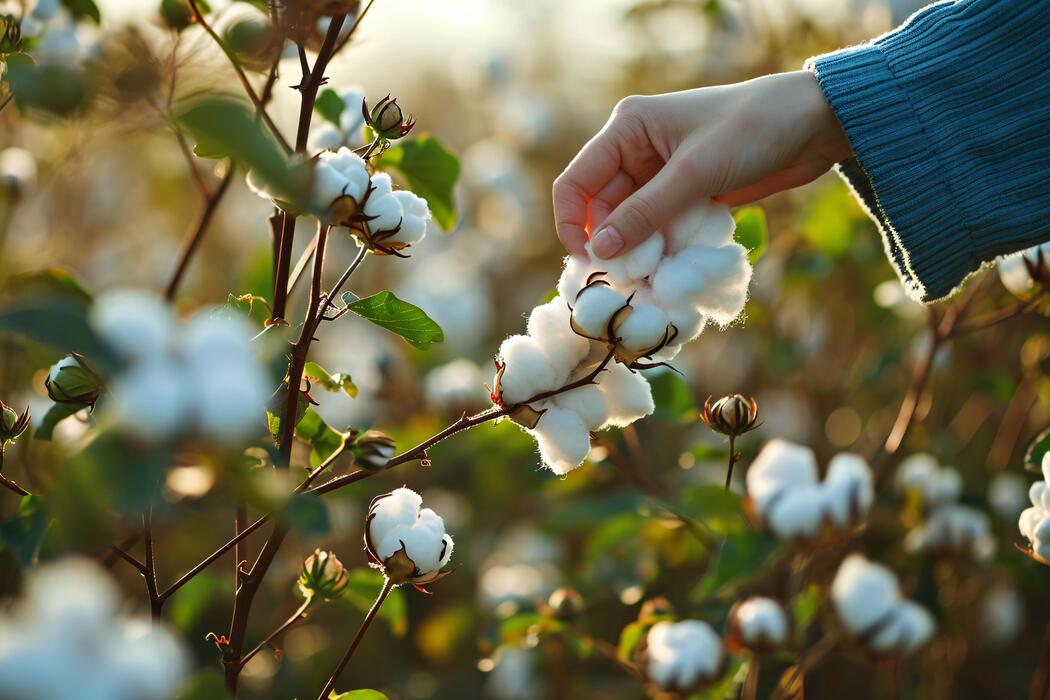
Shrinking cotton harvest puts global textile supply chains under pressure
The global textile industry is heading into another challenging procurement cycle as falling cotton production and shrinking cultivation areas threaten... Read more
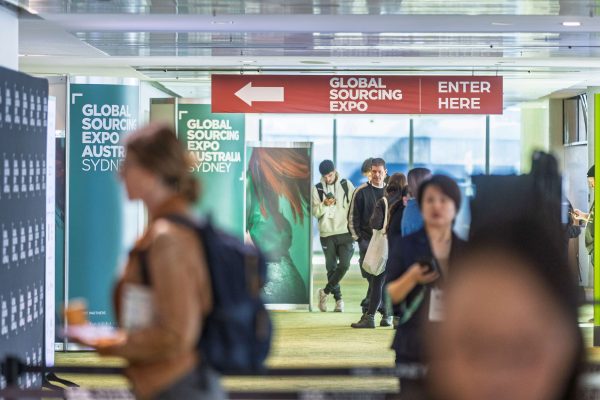
Global Sourcing Expo Sydney 2026 reports 20% growth in attendance
The Global Sourcing Expo Sydney 2026 has officially concluded, marking a watershed moment for Australia’s textile and apparel trade sector.... Read more
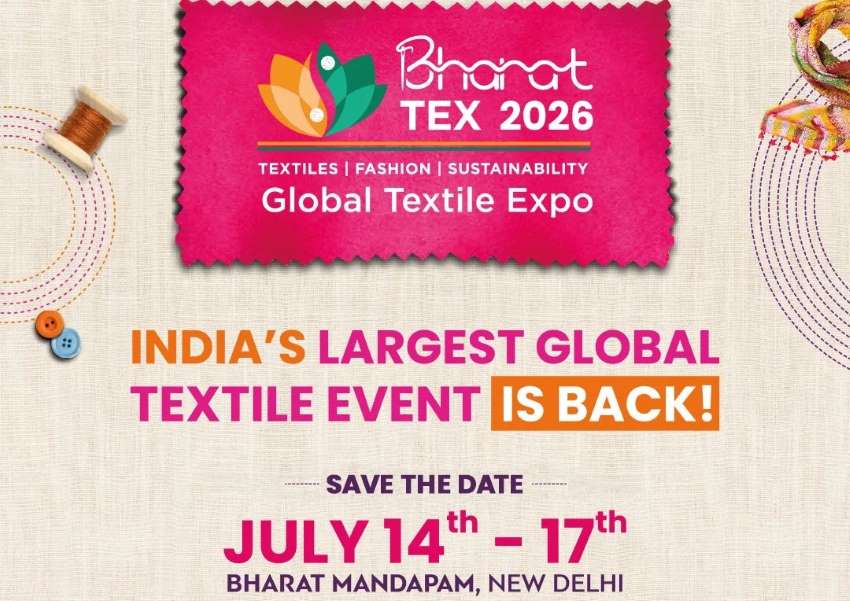
Bharat Tex 2026: Setting the global standard for textile commerce and innovation
As the industry prepares for a major milestone, Bharat Tex 2026 is set to strengthen its position as the premier... Read more