Cambodian garment exports get preferential access in markets like Canada, Japan and especially the EU. The EU is its largest export market, accounting for 45 per cent of its total garment exports. The EU grants Cambodia duty-free access under the generalized Scheme of Preferences (GSP) Everything But Arms (EBA) arrangement.
Cambodia’s total exports of garments and footwear to Japan increased by 32.7 per cent in the first half of the year, that is, January to June 2016. Cambodia has lower production costs than has Japan and so Japan doesn’t produce much of garments and footwear.
The main products that Cambodia exports to Japan are garments, footwear, sugar, fish and seafood. Imports from Japan are mainly machinery, automobiles, electronic products, beef, iron, steel and pharmaceutical products.
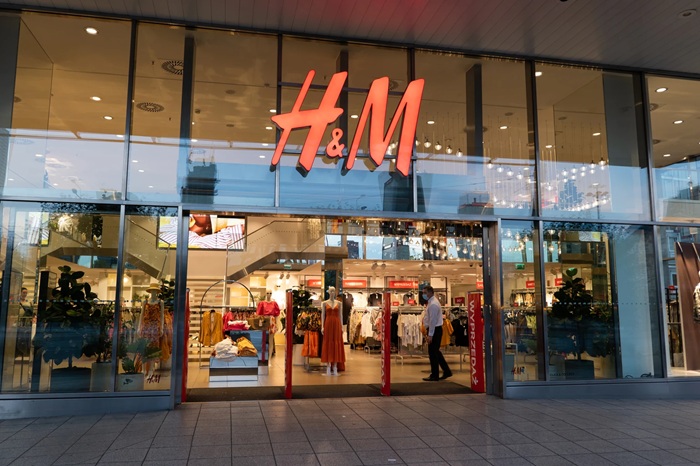
Companies which buy from Cambodia include H&M, Inditex, Marks & Spencer, New Look, Adidas, Nike, Levi’s and Uniqlo.
The garment industry of Cambodia earns 80 per cent of Cambodia’s foreign exchange earnings and employs an estimated 3,50,000 people in more than 300 factories.
Cambodia relies heavily on garment exports to earn foreign earnings. There are now plans to shift from low-priced garment manufacturing to higher end manufacturing of automobile, machinery and electronic parts, which will help it diversify its export basket and maintain the overall health of the economy.
- 1
- 2
- 3
- 4
- 5
- 6
- 7
- 8
- 9
- 10
Europe’s Textile Endgame: Why Project FAE is becoming fashion’s most critical in…
Europe’s apparel majors are no longer treating circularity as a branding layer. With Project FAE or Feedstock Activation Europe, the... Read more
Engineering color at source, dye-free production is cutting cost, water, and tim…
For over a century, coloring has been anchored in wet processing, an energy-intensive, chemically saturated stage that happen post spinning.... Read more
The €11 bn deadlock, can Europe’s textile recycling catch up?
Europe is at a tipping point. Fast fashion consumption, led by rising incomes and a growing global middle class, has... Read more
From field to fiber, Bharat CottonNet is closing India’s cotton value gap
India’s cotton economy is entering a decisive phase of reform with the rollout of Bharat CottonNet 2026 along with the... Read more
US apparel imports drop 13.5% as Vietnam gains and China’s grip breaks
The US apparel sourcing market has entered 2026 with a sharp demand decline but an equally important shift in supplier... Read more
H&M finds growth below revenue line as margin discipline pays off
H&M Group’s latest quarter signals a decisive shift in global fast fashion: scale is no longer the primary reason for... Read more
As Europe cuts orders, India sees a rare export window post-FTA
The sharp dip in EU apparel imports is not, at first glance, the kind of headline exporters celebrate. January’s 15.48... Read more
The Death of the "Stockpile" Model: Inside the Digital Textile disrupt…
For decades, the global textile industry has been a game of high-stakes gambling: manufacture thousands of identical garments, ship them... Read more
Fuel crisis, rising costs the geopolitical shockwave hitting Indian textiles
The hum of textile machinery in Panipat has gone dead. Over 400 dyeing units have put their shutters, not because... Read more
Price wars, fast fashion, diamond money leads to Surat’s industrial shake-up
The sound of Surat’s diamond polishing wheels, once the city’s heartbeat, is fading. In its place, the relentless pulse of... Read more