The textile and apparel sector is one of Ethiopia’s key industrial sectors. Foreign currency earnings are given priority as a way of offsetting the current shortage in hard currency. Foreign currency will be released for transactions in the textile and apparel sector in the current fiscal year.
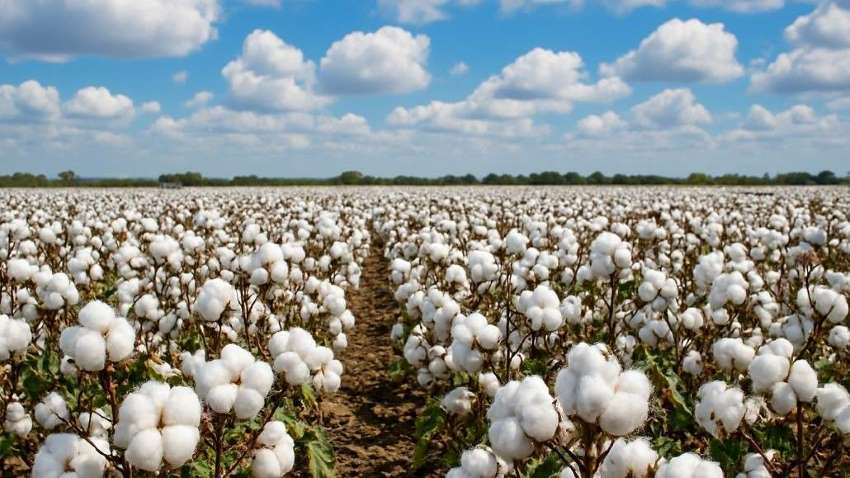
Lower export earnings are attributed to lower exports, shortage of cotton, lack of trained manpower, instability in some parts of the country. A 15-year National Cotton Development Strategy has been prepared to tackle the cotton shortage. Ethiopia is going to harvest a huge amount of cotton for export and to satisfy the demands of the local textile industry.
To effect proper market linkages with reliable buyers, market opportunities are being explored to obtain potential buyers in the global market. Several major foreign companies have invested in the textile and clothing industry in Ethiopia and a number of high profile brand names have started sourcing apparel from the country.
Such interest is believed to stem from rising wages in China, labor unrest and violence in Cambodia, and ineffective compliance with rules and regulations in various countries in South Asia. Also, Ethiopia has been making efforts to create favorable conditions in order to attract investors.
- 1
- 2
- 3
- 4
- 5
- 6
- 7
- 8
- 9
- 10
From London to Tokyo, premiumization redefines retail and office markets
Global real estate landscape has changed. Gone are the cautious narratives of recovery that defined the post-pandemic years. Today, flight... Read more
Compliance drives India’s $176 bn textile shift
India’s textile economy is no longer selling fabric alone; it is selling proof. As compliance rules harden across export markets,... Read more
The second life economy gets a boost as resale outgrows traditional apparel reta…
For decades, resale existed in the margins of the apparel economy, thrift stores, peer-to-peer marketplaces, and charity bins quietly absorbing... Read more
Rising polyester costs shake India’s textile manufacturing hubs
India’s synthetic textile industry is confronting a sudden and destabilizing price shock that is reverberating across its vast manufacturing ecosystem.... Read more
Cotton markets hold firm as tariffs, higher supply reshape global fiber economic…
In a year marked by tariff escalations, geopolitical brinkmanship and a recalibration of global trade flows, the international cotton market... Read more
Beyond Cotton How Kapok could redefine sustainable insulation in textiles
In the lush, humid heart of Southeast Asian rainforests stands a giant, a silent sentinel of the forest canopy. Growing... Read more
Bharat Tex 2026: Redefining the global textile value chain
Union Minister of Textiles, Giriraj Singh, has officially unveiled Bharat Tex 2026, signaling a significant leap in India’s influence over... Read more
Intertextile Shanghai Spring 2026: A hub for global textile innovation
The textile industry’s pulse is quickening as Intertextile Shanghai Apparel Fabrics – Spring Edition prepares to open its doors from... Read more
Moscow Fashion Week 2026: Blending sustainable innovation with timeless glamour
Scheduled to run from March 14-19, 2026 in Moscow, Russia, the Moscow Fashion Week (MFW) is cementing its status as... Read more
The Store as Stage: How fashion is crafting immersive consumer worlds
The North American fashion retail sector in 2026 is shedding its product-first identity and shifting towards a model that values... Read more