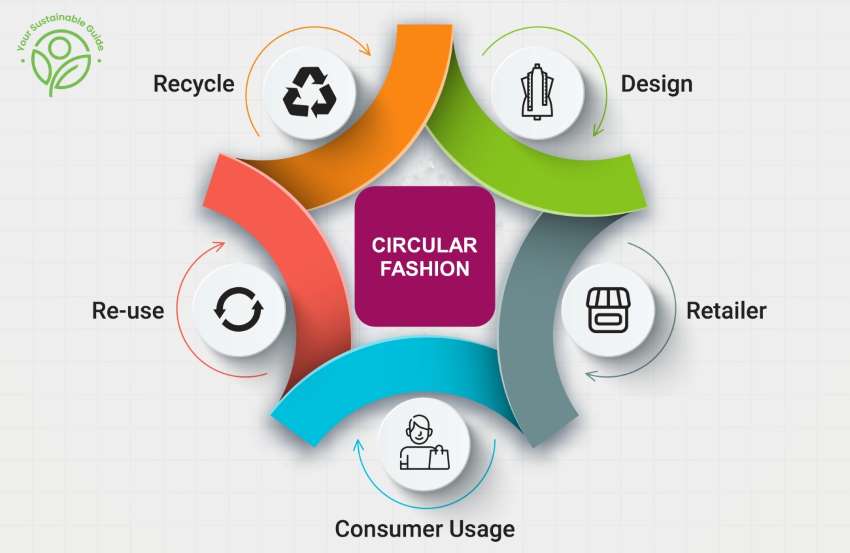
The EU Ecolabel promotes products that have a low environmental impact across their entire life cycle - from extraction of raw materials, to manufacturing and packaging, use, and finally disposal or recycling. Developed by the European Commission in 1992, the EU Ecolabel features a green flower surrounded by 12 blue stars. Its main objective is to educate and guide consumers to choose environmentally conscious products. Close to 70,000 products bear the logo.
Virtually every product that is manufactured for distribution, consumption or use in the EU market is eligible for the EU Ecolabel. Focusing on the part of the process where the product has the highest environmental impact, the EU Ecolabel product-specific criteria ensures that any product bearing the EU Flower has passed the most stringent environmental tests. The product’s impact on the environment, biodiversity, energy and resource consumption, waste generation and emissions are examined.
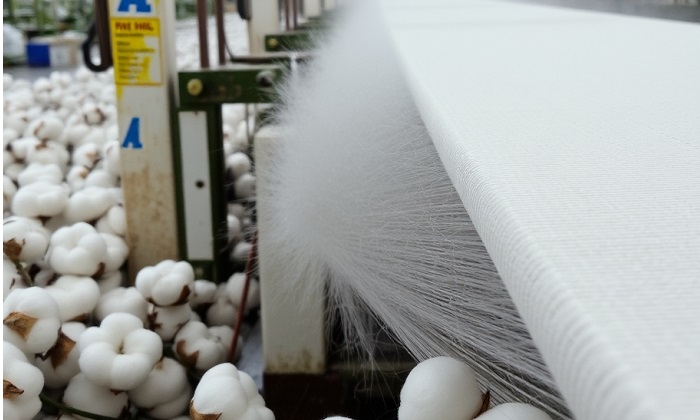
Because of its size and scope, the textile industry is one of the biggest greenhouse gas emitters on earth. Textile products have a great environmental impact—they use large quantities of water and pesticides to grow cotton, use water in natural fiber production, create emissions stemming from producing synthetic and cellulosic fibers and use non-renewable resources for synthetic fibers.

- 1
- 2
- 3
- 4
- 5
- 6
- 7
- 8
- 9
- 10
Retail’s new growth map in China, rise of premium wealth, senior spending
For decades, global fashion and retail companies built their China strategies around the rapid expansion of an aspirational middle class... Read more
Post-peak correction global cotton markets adjust amid shifting fundamentals
Following a period of aggressive increase, global cotton benchmarks have entered a cooling phase. The bullish momentum that propelled prices... Read more
From Runway Blueprint to Retail Rack: How Milano’s ‘Ready to Show’ shapes global…
As the fashion elite prepare their calendars for the Spring/Summer 2027 runway shows, an equally vital, multi-billion-dollar machinery is quietly... Read more
Natural fibers gain ground as microplastic awareness alters apparel demand
The global apparel industry is entering a new phase of disruption as consumer concern over microplastic pollution begins to materially... Read more
Global cotton output declines, raising stakes for spinners and fabric makers
A simultaneous drop across the global natural fiber sector is reshuffle-mapping trading dynamics for international textile mills, yarn spinners, and... Read more
Apparel’s inflation premium in the US signals a tough road for retailers
The latest inflation data from the U.S. Bureau of Labor Statistics has conveyed an important warning for the fashion and... Read more
The Alchemy of Adornment: Decoding the ‘Runway Trends’ and ‘Sartorial Shifts’ of…
As the global luxury sector navigates shifting economic currents, Milan continues to solidify its role as the definitive compass for... Read more
Engineered to Perform: How bio-based textiles are rewiring the $1.15 trillion at…
The global athleisure industry is entering a reset as the next phase of competition shifts from celebrity endorsements and logo... Read more
China’s inward turn, domestic demand is rewriting the export model
China is undergoing one of its most consequential economic recalibrations in decades, driven by geopolitical instability, rising Western protectionism, and... Read more
Why Shein sees itself as a technology company, not a fashion brand
The modern fashion industry has traditionally been defined by creativity, merchandising expertise and global sourcing networks. Yet few companies have... Read more