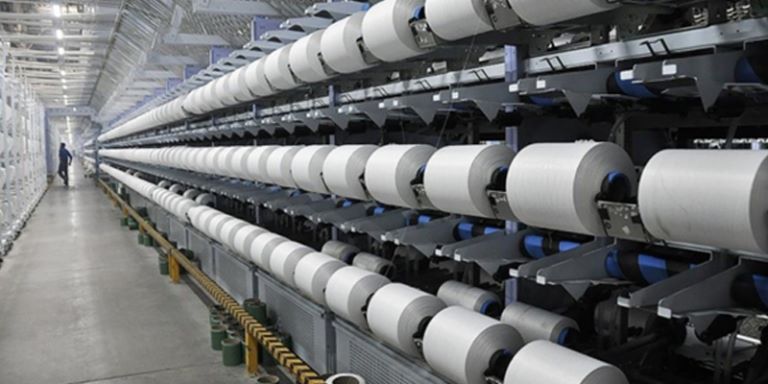
East Africa aims at developing a strong textile and leather sector. Priority is being given to the development of a competitive domestic textile and leather sector that can provide affordable clothes and leather products in the region.
Rwanda has already launched a multi-agency task force to embark on a training program targeting local factories and small and medium enterprises in leather processing. The country wants manufacturers to adopt cleaner production technologies.
Business within the East African Community is expected to grow with a reduction in the cost of power, transport, labor and interest rates. The aim is to improve the livelihoods of millions of people across East Africa. Countries in the region have agreed on a phase-out plan and an eventual ban on the imports of used clothes and leather products to support industrialisation and job creation. Textile industry players are being encouraged to start making garments that require basic level technology and skills. Regional sector players have been called in to put in place programs that will help stimulate a localised value chain.
Tanzania plans to boost cotton exports. Emphasis has been laid on the region’s cotton industry, which faces huge challenges including low yields, a low ginning out-turn ratio and inefficient value addition which is affecting its competitiveness.

- 1
- 2
- 3
- 4
- 5
- 6
- 7
- 8
- 9
- 10
Virtual wardrobes redraw retail boundaries as gaming platforms become fashion ec…
The boundary between physical clothing and digital apparel is rapidly eroding as gaming environments evolve into fully functioning consumer markets.... Read more
From Estimates to Audits: Virgin PET data disrupts global synthetic fiber econom…
The global textile industry is recalibrating how environmental impact is measured, priced, and regulated. While polyester continues to dominate global... Read more
Retail’s new growth map in China, rise of premium wealth, senior spending
For decades, global fashion and retail companies built their China strategies around the rapid expansion of an aspirational middle class... Read more
Post-peak correction global cotton markets adjust amid shifting fundamentals
Following a period of aggressive increase, global cotton benchmarks have entered a cooling phase. The bullish momentum that propelled prices... Read more
From Runway Blueprint to Retail Rack: How Milano’s ‘Ready to Show’ shapes global…
As the fashion elite prepare their calendars for the Spring/Summer 2027 runway shows, an equally vital, multi-billion-dollar machinery is quietly... Read more
Natural fibers gain ground as microplastic awareness alters apparel demand
The global apparel industry is entering a new phase of disruption as consumer concern over microplastic pollution begins to materially... Read more
Global cotton output declines, raising stakes for spinners and fabric makers
A simultaneous drop across the global natural fiber sector is reshuffle-mapping trading dynamics for international textile mills, yarn spinners, and... Read more
Apparel’s inflation premium in the US signals a tough road for retailers
The latest inflation data from the U.S. Bureau of Labor Statistics has conveyed an important warning for the fashion and... Read more
The Alchemy of Adornment: Decoding the ‘Runway Trends’ and ‘Sartorial Shifts’ of…
As the global luxury sector navigates shifting economic currents, Milan continues to solidify its role as the definitive compass for... Read more
Engineered to Perform: How bio-based textiles are rewiring the $1.15 trillion at…
The global athleisure industry is entering a reset as the next phase of competition shifts from celebrity endorsements and logo... Read more